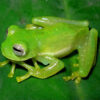
- Nectophrynoides laevis: Discovering the Remarkable Tanzanian Smooth Forest Toad
- Taxonomy and Classification
- Natural Habitat: Life Beneath the Forest Canopy
- Physical Characteristics and Adaptations
- Remarkable Behaviors and Life Cycle
- Ecological Role: Guardians of Forest Floor Balance
- Threats and Conservation Status
- Cultural Significance and Scientific Value
- Conclusion: Conserving an Icon of Vital Biodiversity
Nectophrynoides laevis: Discovering the Remarkable Tanzanian Smooth Forest Toad#
Far beneath the emerald canopy atop Tanzania’s verdant Eastern Arc Mountains dwells a curious amphibian whose modest size belies its remarkable survival strategies: the Smooth Forest Toad, scientifically known as Nectophrynoides laevis. Unlike frogs familiar from ponds and lush wetlands, this small terrestrial toad weaves its fascinating life story entirely free from standing water, capturing the imagination and appreciation of biologists and nature enthusiasts alike. Featuring genuinely unique adaptations, extraordinary reproductive methods, and delicate vulnerability to environmental change, Nectophrynoides laevis offers a profound window into the resilience and fragility coexistence that defines rainforest ecosystems.
Taxonomy and Classification#
The Smooth Forest Toad holds its place clearly and proudly among amphibians in the Bufonidae family, under the genus Nectophrynoides. This fascinating genus, native solely to the Tanzanian landscape, is widely acclaimed for its remarkable reproductive adaptations. Unlike the vast majority of amphibians who lay eggs in water, all species within Nectophrynoides exhibit internal fertilization and give birth to live young frogs—a phenomenon scientists term as viviparity. And standing amongst these pioneers is our featured species, Nectophrynoides laevis, distinguished through its smooth skin texture, from whence its common name derives.
Closely related within this diminutive genus is the celebrated Nectophrynoides asperginis, or the Kihansi Spray Toad, whose near extinction and subsequent recovery captivated conservationists worldwide. Such related species are equally emblematic of how subtle changes in habitat can drastically shift vulnerability thresholds and underscore the need to understand and protect unique amphibian habitats.
Natural Habitat: Life Beneath the Forest Canopy#
The verdant heartlands of Tanzania provide not only a home but a timeless refuge for the Smooth Forest Toad. This diminutive amphibian nestles primarily along the slopes of the Uluguru and Udzungwa Mountains—part of Tanzania’s priceless Eastern Arc chain, which biodiversity scientists frequently describe as one of the planet’s hotspot regions of incredibly rich flora and fauna.
The Tanzanian Rainforest Realm#
Hidden amid thick mats of fallen leaves, twisted roots, and moss carpets, Nectophrynoides laevis thrives in an intricate microcosm, seldom venturing beyond the moist, shaded forest understory. Ranging approximately between altitudes of 900 and 2,000 meters, these frogs live concealed in the cool humidity cast generously downward from towering hardwood trees wrapped in climbing vines, bromeliads, and abundant ferns.
Such specific habitat preferences are integral to the toad’s existence—as the forest’s dense foliage traps humidity and moderates temperature fluctuations. In contrast, open disturbed habitats rapidly dry out, critically limiting habitats suitable for their survival. The delicate reliance of Nectophrynoides laevis on stable humidity highlights the intricate connection between specialized wildlife evolution and the rainforest biome that sustains it.
Physical Characteristics and Adaptations#
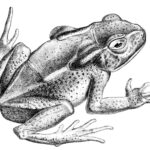
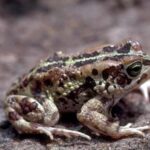
Though modest in stature—averaging just between 20 to 30 millimeters as full-grown adults—the Smooth Forest Toad possesses noteworthy adaptations developed specifically for life beneath a dense forest canopy. Unlike typical toad relatives known for warty, rough-textured skin, this species boasts a noticeably smooth, sleek appearance, contributing both to its common name and distinctiveness.
Appearance and Identification#
Dressed in colors varying subtly from shades of soft brown to deep chestnut patchiness, its smooth, near glistened-surface skin proves essential for a quick retreat into moist leaf-litter cover where it is fully camouflaged from lurking predators. The coloration’s rich variations provide naturally perfect leaf mimicry, rendering individuals nearly invisible among leaf-laden forest floors.
Moreover, their slightly fleshy bodies and rounded postures enhance moisture retention, helping prevent dehydration risk that could easily spell doom in overly dry conditions. Evolutionarily, their body structure exemplifies exemplary adaptation to the narrow microhabitat they occupy, significantly boosting their chance of survival amidst competitive forest-floor ecosystems.
Remarkable Behaviors and Life Cycle#
Perhaps no trait sets apart Nectophrynoides laevis more distinctly from typical amphibians than its reproductive behavior. Like others within the genus, these frogs accomplish the incredible feat of giving birth to independent live froglets—a strategy wholly unique among amphibians worldwide.
Viviparous Wonders: Live-Bearing Amphibians#
The Smooth Forest Toad’s breeding occurs entirely on dry land. Rather than laying gelatinous eggs precariously dependent on water, the female incubates developing embryos internally, nourished fully through yolk-like structures within her body. After roughly four to six months of hidden gestation—carefully guarded beneath logs or within leaf-litter rings—a small brood of fully-formed froglets emerges directly into a terrestrial environment, equipped immediately to navigate and forage independently.
This remarkable reproductive strategy is immensely advantageous within the constant gloom of dense mountain rainforest where standing water bodies suitable for typical amphibian breeding are scarce or simply nonexistent. Consequently, the froglets enjoy a strategic advantage, evading the hazardous tadpole stage rife with aquatic predators common among other frogs, thus significantly improving juvenile survival rates.
Feeding Strategy: Masters of Forest Floor Cuisine#
Primarily nocturnal, the Smooth Forest Toad actively hunts during nightfall, capitalizing on vulnerabilities among insect communities inhabiting damp leaf litter habitats. Ants, beetles, and a vast array of small terrestrial invertebrates feature prominently on its menu, consumed through bursts of quick, precise tongue movements designed for swift prey capture.
During daylight hours, toads typically remain concealed beneath carefully chosen hiding places, conserving vital moisture and steer clear of predators or exposure to sunlight, which may prove quickly lethal in dehydrating conditions.
Ecological Role: Guardians of Forest Floor Balance#
As nimble predators adeptly regulating leaf-litter insect populations, Nectophrynoides laevis simultaneously occupies delicate niches within Tanzanian forests’ food webs. They provide essential prey sources to numerous predators, including reptiles such as vine snakes and forest-floor dwelling bird species prowling carefully across delicate forest carpets.
This carefully balanced predator-prey equilibrium helps maintain forest ecosystem stability, contributing to diversity and resilience of the forest floor microhabitat and limiting outbreaks of pests, reflecting their profound, often overlooked ecological importance.
Threats and Conservation Status#
Currently classified as Endangered by the International Union for Conservation of Nature (IUCN) Red List, the survival of Nectophrynoides laevis hangs in precarious balance. Habitat deterioration constitutes the most immediate substantial threat—with escalating deforestation pressures arising from agricultural expansion, logging activities, and even slash-and-burn practices that increasingly encroach upon their specialized mountain habitat.
Climate change presents an additional looming worry; because these amphibians rely heavily upon consistent humidity and moderate forest conditions, amplified weather fluctuations and drying ecosystems could severely diminish the forest’s moisture-retaining conditions vital to their survival. Conservation efforts have thankfully stepped up with local community-based programs designed explicitly toward habitat protection, enforcement to curb illegal logging, and encouraging sustainable agriculture practices valuable to forest conservation.
Cultural Significance and Scientific Value#
Alongside ecological roles, amphibians commonly occupy cultural spaces among local communities worldwide, symbolizing ecosystems’ health and reinforcing the importance of sustainable livelihoods. While explicit traditional significance specifically tied to Nectophrynoides laevis remains limitedly documented, broader cultural appreciation, educational programs, and its emblematic role in ecotourism activities within Tanzania provide positive avenues for awareness-building and fostering conservation-driven community engagement.
Conclusion: Conserving an Icon of Vital Biodiversity#
As humble but remarkable masters of adaptation and unique viviparous reproduction, Smooth Forest Toads offer profound insights into evolution, ecology, and conservation intertwined within the rich tapestry of Tanzanian rainforests. Threatened yet resilient, these amphibians remind us of our global biodiversity’s immense complexity, enchanting vulnerability, and essential interconnectedness. Dedicated conservation actions, community education, sustainable environmental management, and mindful choices from thoughtful naturalists like you remain critical pathways forward—ensuring thriving futures for mysterious creatures like Nectophrynoides laevis, guardians of Tanzania’s hidden rainforest wonders.