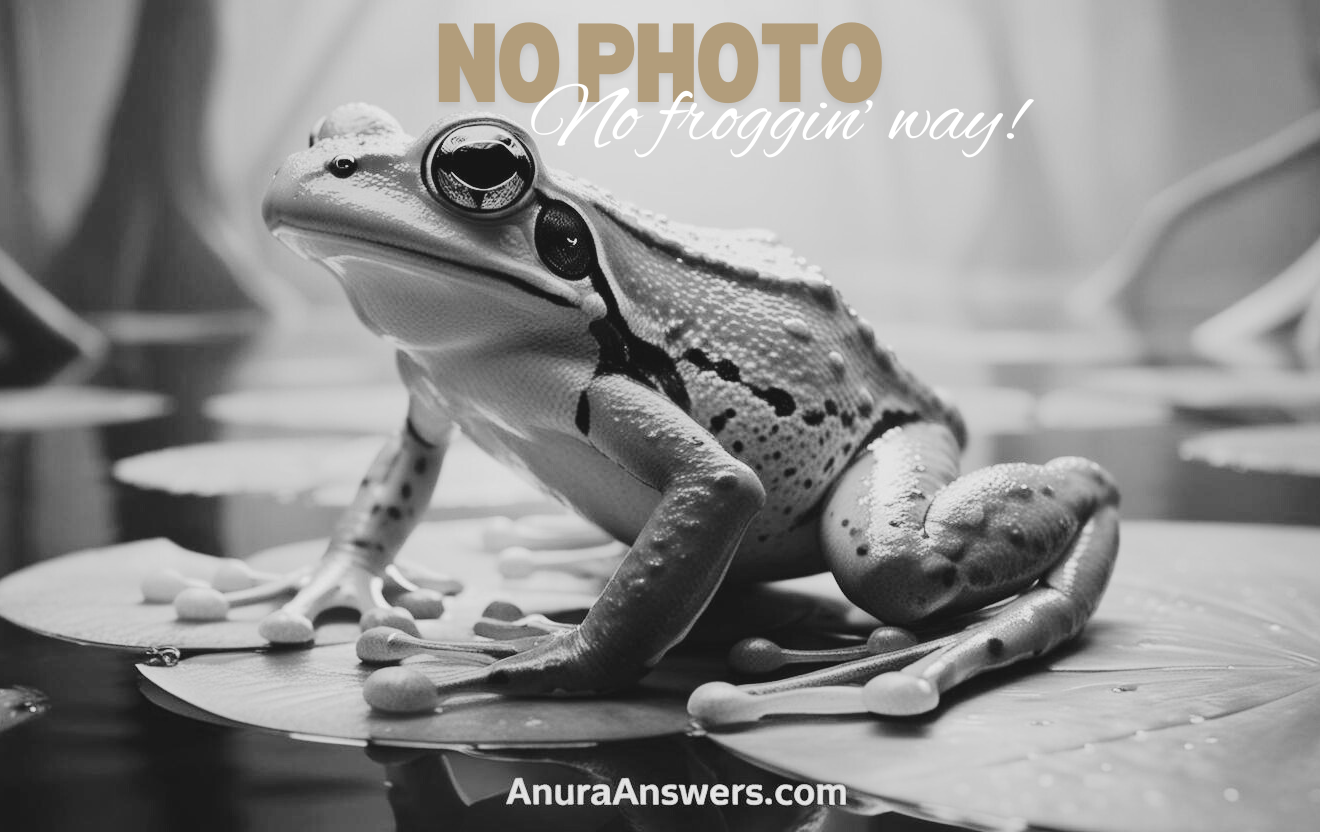
- Nectophrynoides cryptus: The Mysterious Hidden Toad of Tanzania's Misty Forests
- Taxonomy and Classification of the Hidden Toad
- Natural Habitat: Life in the Clouds
- Physical Characteristics: Mastery of Disguise
- Behavior and Life Cycle: A Marvel of Amphibian Parenthood
- Ecological Role and Importance within the Mountainous Ecosystem
- Threats and Conservation Status: Fragility in a Changing World
- Cultural and Scientific Significance
- A Call to Action: Protecting the Small and Secretive Wonders
Nectophrynoides cryptus: The Mysterious Hidden Toad of Tanzania’s Misty Forests#
High in the dense, mist-covered forests of Tanzania’s Udzungwa Mountains, a precious gem slips silently among the leaf litter—barely noticeable, yet critically important. The hidden toad, scientifically known as Nectophrynoides cryptus, is an amphibian cloaked in both mystery and charm, thriving quietly in one of East Africa’s richest yet most fragile ecosystems.
Unlike many other frog species, Nectophrynoides cryptus captivates researchers and wildlife lovers alike with a remarkable ability: it gives birth to live young instead of laying eggs—an incredible adaptation that ensures its place among nature’s greatest marvels. Yet, despite its uniqueness, this elusive frog goes largely unnoticed by the world.
Join us as we journey deep into the cloud forests of Tanzania to uncover the fascinating story of Nectophrynoides cryptus, exploring its biology, behavior, and the conservation challenges it faces in our rapidly changing world.
Taxonomy and Classification of the Hidden Toad#
Nectophrynoides cryptus belongs to a specialized branch of amphibians called Bufonidae, commonly known as true toads. What sets it apart within this extensive family is its membership in the genus Nectophrynoides, a fascinating genus celebrated for its reproductive peculiarities, including viviparity—the rare phenomenon of giving birth directly to live amphibian young.
Described relatively recently, in 2004 by Menegon, Salvidio, and Loader, Nectophrynoides cryptus revealed itself to science late and remains shrouded in ecological mystery. Its name, “cryptus,” aptly signifies ‘hidden’ or ‘secret,’ capturing the essence of a frog so adeptly blended with its habitat that it often escapes even the trained eyes of biologists and naturalists.
A Family of Unique Amphibians#
The genus Nectophrynoides consists of highly specialized toads, endemic exclusively to Tanzania’s Eastern Arc Mountains. Each species within this group shares fascinating biological traits like direct development and viviparity, bypassing the classic water-associated tadpole stage of other frogs. While species such as Nectophrynoides asperginis have garnered international attention due to severe population declines, the equally intriguing Nectophrynoides cryptus remains less known—but no less precious.
Natural Habitat: Life in the Clouds#
The Udzungwa Mountains, part of Tanzania’s renowned Eastern Arc Mountains, form the exclusive sanctuary of Nectophrynoides cryptus. These ancient mountains—sometimes described as the “Galapagos of Africa”—are islands of biodiversity formed millions of years ago and cradle countless rare species discovered nowhere else.
Mist-enshrouded Forest Floors#
Home for the hidden toad is the undisturbed leaf litter beneath montane cloud forests lying at elevations between 1,800 and 2,200 meters above sea level. Here, towering trees, draped heavily in mosses, lichens, and epiphytes, filter sunlight in ethereal rays that pierce through perennial fog. This lush, moist environment provides the essential elements Nectophrynoides cryptus needs: stability, humidity, and an abundance of small invertebrates for nourishment.
Unlike the dynamic, open marshes associated with most amphibian habitats, these secluded forests offer a steady climate—consistently moist, relatively cool, and stable throughout the year. Such stable microclimates are crucial for this delicate creature that depends entirely on its thin, semi-permeable skin to regulate moisture and temperature.
Physical Characteristics: Mastery of Disguise#
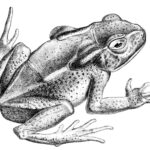
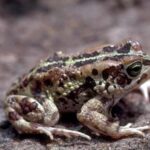
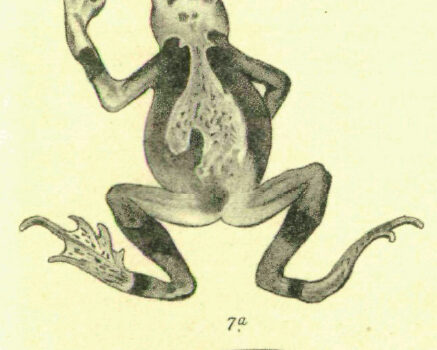
Nectophrynoides cryptus is impressively adept at camouflage, with a physical appearance evolved precisely for hiding in plain sight. This diminutive species rarely surpasses 3 centimeters in body length, fitting neatly in the palm of a human hand. Its coloration varies in intricate patches of earthy tones—mossy greens, muddy browns, and muted grays—that blend seamlessly into the leaf litter and forest-floor debris of its habitat.
Its compact, rounded body and slightly granular skin texture further magnify this camouflage effect, visually merging the animal with the forest floor. When threatened or disturbed, instead of leaping dramatically as many frogs do, the hidden toad typically freezes, relying on stillness and expert cryptic coloration to evade predators or curious researchers alike.
Specialized Adaptations for Survival#
Holding true to its family heritage, Nectophrynoides cryptus features glands on its skin capable of secreting mild toxins. While not dangerous to humans, this chemical defense effectively deters small predators, birds, and insectivorous mammals from considering it as a viable meal. This adaptation allows it to conserve energy—critical in an environment where food availability and temperature fluctuations can demand careful energy management.
Behavior and Life Cycle: A Marvel of Amphibian Parenthood#
Perhaps most captivating of all adaptations in this secretive amphibian is its astonishing reproductive behavior. Unlike most frogs that reproduce via external fertilization in water, Nectophrynoides cryptus is a fully viviparous frog. This rare reproductive process involves internal fertilization, followed by embryo development within the female’s body. After a gestation period—usually lasting a few months—fully formed, miniature versions of adult frogs are delivered alive directly onto the forest floor.
Diet and Feeding Habits#
Life in the leaf litter offers an abundant yet competitive dining opportunity. Feeding primarily on tiny insects, mites, and arthropods, Nectophrynoides cryptus relies on quick reflexes, stealth, and patience. Through careful stalking and opportunistic ambush predation, these tiny toads nourish themselves, diligently exploring beneath fallen leaves, logs, and nestled moss to uncover unsuspecting prey.
Daily Rhythm and Seasonal Patterns#
Approached best as crepuscular or nocturnal, individuals become particularly active at dawn and dusk. Cooler temperatures and higher humidity at these hours ensure minimal water loss through their delicate skin and reduce vulnerability to daytime predators such as birds and reptiles.
Ecological Role and Importance within the Mountainous Ecosystem#
Despite its small stature, Nectophrynoides cryptus occupies a crucial niche within the Udzungwa ecosystem. By feeding extensively on invertebrates, it contributes significantly to insect population control, indirectly safeguarding plant health and forest regeneration. It also serves as valuable prey for larger predators, linking directly into the forest food web as an integral component.
Additionally, due to its strict habitat requirements, this enigmatic toad serves as an important bioindicator species. Declining frog populations often signal broader environmental changes or ecosystem distress. Thus, health and population stability in Nectophrynoides cryptus provide valuable feedback on ecosystem vitality, becoming a subtle yet visible marker urgently monitored by conservationists.
Threats and Conservation Status: Fragility in a Changing World#
Nectophrynoides cryptus currently holds an “Endangered” status on the International Union for Conservation of Nature (IUCN) Red List. Its highly specialized lifestyle makes it inherently vulnerable to habitat loss, deforestation, and climate disturbances.
Habitat Loss and Environmental Threats#
Agricultural expansion, particularly tea plantation development and increasing human settlement, has begun encroaching upon pristine forests of the Udzungwa range. Compromising habitat quality, reducing available leaf litter, and altering moisture conditions, such disturbances pose grave threats to a species finely tuned to stability.
Climate Change and Disease Exposure#
Globally rising temperatures and shifting rain patterns challenge montane ecosystems profoundly. Additionally, infectious diseases such as chytridiomycosis, devastating frog populations worldwide, represent an acute global risk—though thankfully not yet rampant among Nectophrynoides cryptus populations.
Cultural and Scientific Significance#
Far beyond mere biological curiosity, Nectophrynoides cryptus symbolizes ecological uniqueness and evolutionary marvels found only in Tanzania’s ancient forests. Local folklore often overlooks this tiny creature due to its secretive habits. However, scientists recognize the species as a precious evolutionary treasure, continually unlocking secrets of amphibian reproductive biology and evolutionary adaptation.
A Call to Action: Protecting the Small and Secretive Wonders#
Conservationists urge increased protection of the Udzungwa Mountains’ habitats to safeguard species like Nectophrynoides cryptus. Increased research, sustainable land management, local community involvement, and global awareness remain essential in protecting this precious hidden toad.
As stewards of nature’s intricate tapestry, let us commit to preserving habitats like the Udzungwa forests—ensuring the survival of both visible giants and hidden marvels like the remarkable, elusive Nectophrynoides cryptus.