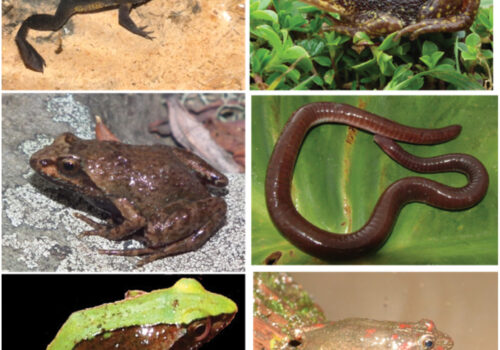
Nannophryne cophotis: The Elusive Beauty of the Andean Toad#
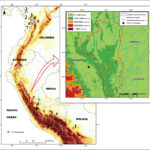
Nestled deep within South America’s breathtaking high-altitude valleys and misty slopes lies a creature whose quiet existence is as fascinating as it is delicate. The Nannophryne cophotis, often known simply as the Paramo Toad or the Andean Toad, quietly dwells within the remote ecosystems spanning Peru, Bolivia, and northern Argentina. Despite its muted, earthy appearance, this amphibian captures the imagination of biologists and nature lovers alike, not with vivid colors or extravagant displays—but through adaptation, resilience, and gentle presence within its unique habitat.
The quiet wonder of Nannophryne cophotis reveals itself slowly, weaving subtly into the vibrant tapestry of Andean ecology. Typically found above 2000 meters in altitude, this species survives where the air is thinner, the nights colder, and life demands fortitude. Being a creature adapted to such harsh yet fragile environs, it speaks volumes about the interconnected state of mountainous ecosystems and our shifting climates.
Taxonomy and Classification#
Nannophryne cophotis sits within the family Bufonidae—the expansive family commonly known as the true toads. This family encompasses a myriad of fascinating specialized species. Originally described scientifically as Bufo cophotis by Boulenger in 1900, taxonomic revisions have since reclassified it within the genus Nannophryne, underscoring its unique evolutionary adaptations and modest physical size in comparison with its relatives.
Nannophryne cophotis’ closest relatives within its genus also inhabit high-elevation, cooler-climate ecosystems across the Andes, signaling a shared lineage uniquely suited to these demanding conditions. The evolutionary steps taken by this species highlight the complex interplay between adaptation, elevation, climate, and survival, inspiring biologists to better understand how life persists in extreme habitats.
Natural Habitat#
Picture yourself trekking slowly upwards, leaving behind cloud-forested foothills as deep greenery and lush dense trees yield to grassy plateaus and sparse shrubland. This is the Páramo—a mesmerizing and unique ecosystem often shrouded in mist. Here, temperatures can plummet suddenly, rains fall with measured persistence, and clouds often blanket the very soil, adding a magical air to these lands. Nannophryne cophotis thrives precisely here, amid tussock grasses, damp moss carpets, and rocky outcrops in high-altitude meadows between approximately 2400–4300 meters.
The Andes provide its roaming subtlety: deep valleys, windswept plateaus, and pockets of moisture. It seeks refuge among rocks, vegetation clumps, or shallow soil crevices, essential for hiding from predators and regulating body temperatures during dramatic temperature fluctuations typical at such high altitudes. These habitats offer water availability—small mountain streams, permeated marshy grounds, and ephemeral pools—crucially supporting the species’ dependence on moisture for survival and successful reproduction.
Physical Characteristics#
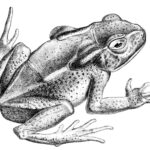
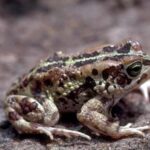
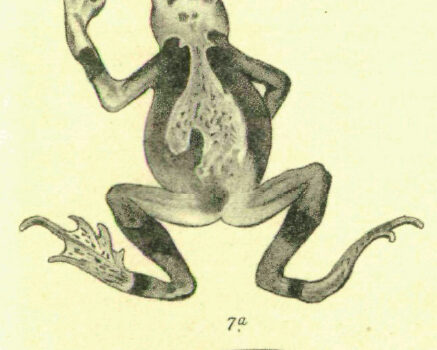
Physically, Nannophryne cophotis is modest, rarely exceeding 5 centimeters from snout to vent. But within these modest dimensions lies extraordinary resilience and adaptive perfection. Its coloration echoes the hues found within its mountainous habitat: dull olive browns, muted grays, and earthy tones flecked subtly with dark speckling and marbled patterns, each toad exhibiting unique variations. These seemingly drab colors provide camouflage vital for survival, blending imperceptibly into moist soils, weathered stones, and sparse vegetation shaded by clouds.
Upon closer inspection, you’ll note a stout, compact body shape, critical for heat retention and minimizing heat loss at high altitudes. Its limbs are powerful enough to hop and climb over rocky substrate, yet delicately built to conserve valuable energy in colder climates. A distinct cranial crest adorns its head—small ridges signaling a hallmark identification trait—leading seamlessly toward eyes bulging slightly to offer enhanced peripheral vision. This adaptation aids the toad in detecting movement, whether potential prey or approaching predators.
Behavior and Life Cycle#
Feeding and Predatory Behavior#
Life within the high Andes is not abundant compared to tropical lowlands—but adaptations ensure survival. Nannophryne cophotis employs ambush-style predation, patiently waiting for small invertebrates such as beetles, ants, spiders, and larvae to draw near. Quick strikes and sticky tongues seize prey with remarkable effectiveness. This sit-and-wait strategy conserves critical energy resources in environments where prey density remains low and climates harsh.
Reproductive Strategy and Tadpole Development#
With seasonal rains as their annual trigger, Andean Toads assemble around temporary mountain pools, marshy seepage areas, or shallow streams. Males vocalize with discreet yet persistent calls, subtle croaks resonating softly in the foggy silence of the Andes. Females selectively choose mates based on vocalizations and possibly, size and condition estimates, depositing strings of eggs carefully attached to grasses or stems submerged in water.
Tadpoles develop relatively quickly due to the ephemeral nature of their aquatic homes, growing rapidly within weeks. Their swift transition from tadpole to terrestrial juvenile is critical—rain pools and mountain bog pockets quickly shrink and vanish. Adaptations ensure juvenile toads quickly become terrestrial, adapting to moist but terrestrial environments thoroughly within weeks of their initial swim.
Ecological Role#
In ecosystems prone to drastic climatic shifts and limited resource availability, organisms like Nannophryne cophotis hold pivotal roles. Acting simultaneously as predator and prey, the Andean Toad balances local insect populations, aiding vegetation growth and ecosystem health indirectly. Conversely, they represent crucial food sources, especially juveniles and eggs, serving as sustenance for snakes, birds, mammals, and other carnivorous fauna inhabiting similar elevations.
Yet perhaps even more profoundly, these toads serve as critical indicator species. The rapid decline of amphibians globally has signaled caution concerning environmental toxins, climate shifts, and habitat disturbances. Localized decreases within Nannophryne cophotis populations alert environmentalists clearly to unchecked ecosystem disruptions or climate stressors requiring immediate attention.
Threats and Conservation Status#
Currently classified by the International Union for Conservation of Nature (IUCN) as Vulnerable, Nannophryne cophotis faces pressing threats primarily stemming from habitat degradation, climate change impacts, and pollution in high-altitude ecosystems. Grazing livestock, extensive agricultural activities, mining expansion, and deforestation for firewood and development pressure delicate páramo habitats, fragmenting and diminishing available habitats significantly.
Climate change exacerbates mountains’ vulnerability, altering regional precipitation patterns, drying out essential breeding habitats, and altering temperature ranges pivotal to amphibian survival. Increased UV radiation due to ozone thinning further endangers egg masses and tadpoles within high-altitude ponds lacking protective vegetation cover, heightening mortality rates significantly.
Fortunately, conservation efforts include protected area establishment, habitat restoration, research initiatives understanding unique biology and threats, and local community involvement embracing sustainable practice management fostering coexistence of traditional human livelihoods alongside nature conservation.
Cultural and Scientific Significance#
In traditional cultures inhabiting Andean highlands, amphibians often symbolize renewal, water purity, or environmental indicators, encapsulating lifecycles synchronizing with seasonal rains. While Nannophryne cophotis does not have widespread specific cultural associations, amphibia broadly symbolize rain, fertility, or ecological health within local perceptions across Andean indigenous cultures.
Scientifically, Nannophryne cophotis and other amphibians living within high-altitude ecosystems fascinate researchers as valuable biological reference points against which changing climate scenarios can be accurately measured. Specialists closely monitor population dynamics in correlation with meteorological and climatic fluctuations, helping clarify future potential impacts of global warming and ecological disruptions on biodiversity worldwide.
Conclusion#
The quiet, resilient presence of Nannophryne cophotis beautifully echoes life’s understated elegance. Its survival amidst dramatic landscapes delineates an ancient harmony between organism and habitat, now increasingly under threat. Conserving the Andean toad requires attentive stewardship from global and local communities alike, encouraging protection of wild habitats supporting resilient, mesmerizing creatures whose quiet existence guides humanity along sustainable living pathways.
Let us eagerly nurture awareness, push for protective policies, and celebrate these intriguing amphibians—not merely for their unique adaptations, but as vivid reminders of the fragile interdependence binding nature closely within our globalized, shifting world.