Mertensophryne uzunguensis: The Hidden Jewel of Tanzania’s Mountains#
Nestled in the lush, high-altitude forests and grassy hillsides of Tanzania’s ecologically diverse landscapes, a tiny amphibian silently stakes its claim. The Uzungwa Forest Toad—scientifically known as Mertensophryne uzunguensis—is a fascinating creature rarely spotted by human eyes but playing an undeniable role in the delicate balance of its unique ecosystem. Cloaked in mystery and seldom featured in popular animal narratives, this diminutive toad harbors secrets waiting patiently to be explored by curious minds. From its cryptic coloration and intricate reproductive behavior to its ecological significance, the story of Mertensophryne uzunguensis reveals a hidden world teeming with wonder and awaiting recognition.
Taxonomy and Classification#
Mertensophryne uzunguensis belongs to the Bufonidae family, a diverse group of amphibians more commonly known as true toads. Characterized by their dry, warty skin and specialized glands capable of secreting defensive toxins, true toads integrate fascinating adaptations evolved over millions of years. Within its genus, Mertensophryne uzunguensis shares close kinship with other small African toads, all of which demonstrate intriguing physiological characteristics adapted for living hidden lives on forest floors or beneath leaf litter.
This species was officially described relatively recently, adding to its allure and mystery. The genus name Mertensophryne, bestowed in honor of renowned German herpetologist Robert Mertens, underscores the significance of dedicated naturalists and scientists whose tireless exploration unveils nature’s subtle marvels. Each species classification helps scientists map biological diversity, paints clearer pictures of evolutionary relationships, and supports targeted conservation strategies—a critical task in our rapidly changing world.
Natural Habitat#
Where the Mountain Mists Meet the Forest Floor#
The Uzungwa Forest toad inhabits Tanzania’s montane grasslands and humid, mist-shrouded forests within the Eastern Arc Mountains. This mountainous belt, home to the richly biodiverse Udzungwa Mountains National Park and adjacent areas, is notable for hosting extraordinary endemism. Here, the gentle tapestry of cloud forests and sprawling grasslands thrives upon abundant rainfall, cool temperatures, and rich organic soils—conditions uniquely suited to amphibian life.
To the casual observer, its home may seem deceptively ordinary: dense leaf litter carpeting forest floors; moss-covered logs providing shelter; ferns and grasses brushing gently in cool breezes. Yet beneath this tranquil exterior exists an intricate web of interconnected life. The Uzungwa Forest toad, favoring damp leaf litter and the micro-habitats hidden among roots and stones, utilizes these concealed environments both for protection from predators and for efficient hunting of tiny invertebrate prey.
Such moisture-rich micro-habitats sustain amphibians by maintaining high humidity levels essential for their skin-based respiration. The distinctive habitats selected by this modest amphibian species illustrate beautifully how precisely adapted creatures are often inseparable from their ecological niches.
Physical Characteristics#
A Master of Camouflage and Subtle Beauty#
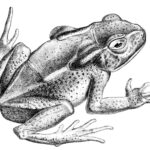
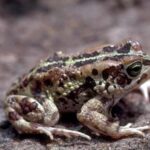
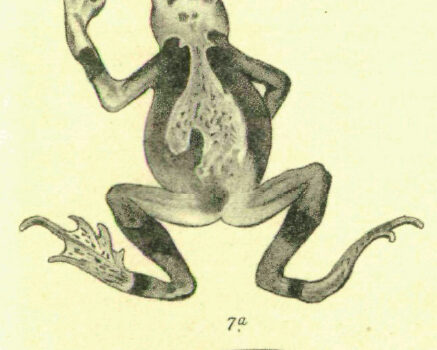
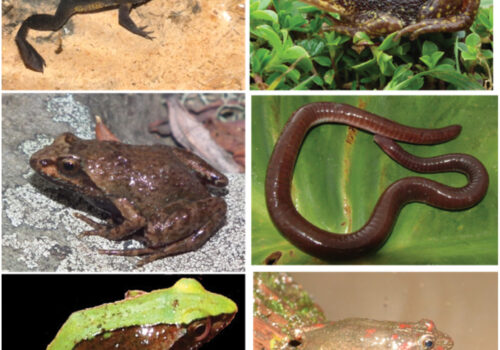
Measuring barely 2-3 centimeters in length, the Uzungwa Forest toad demonstrates nature’s talent for remarkable miniaturization. At first glance, it appears modestly colored: varying shades of earth-brown, olive-green, and subtle greys blend the toad invisibly into the forest floor, making glimpses of it a special occurrence. Yet closer inspection reveals intricate patterns—flecks, blotches, and subtle stripes—that serve a critical evolutionary purpose, breaking up the animal’s outline and effectively protecting it from watchful predators like birds, reptiles, and small mammals.
Its skin, dry compared to its moist-skinned cousins, includes raised, granular textures providing additional camouflage among decaying leaves and bark textures. Beneath this adaptive disguise are poison glands that produce mild toxins rendering these small toads distasteful to predators. Although not deadly for humans, these toxin secretions present an effective warning if disturbed roughly. Such defensive traits illustrate beautifully how even seemingly vulnerable creatures employ elegant survival tactics honed by evolution.
Behavior and Life Cycle#
A Quiet Life Full of Intriguing Rituals#
If visitors wandered silently through Udzungwa’s forests during early rainy seasons, they might faintly hear the Uzungwa Forest toad’s mating chorus—a soft, rhythmic serenade rarely noticed amid louder sounds from frogs and insects. Males create gentle, rapid calls to attract females, usually from sheltered perches or concealed spots within leaf litter.
Once a pair bonds, they pursue their quiet, secretive courtship away from predatory eyes. Females lay clusters of small eggs typically attached safely below leaves, logs, or rocks. These careful placements protect their offspring from predation and environmental uncertainties. Following hatching, tadpoles must navigate life within water-rich habitats, searching for nourishment and escaping myriad predators in temporary pools and seeps common after seasonal rains.
Unseen by most, metamorphosis transforms these aquatic larvae into small terrestrial juveniles mirroring adults’ cryptic appearance, after which they disperse quickly to establish individual territories. From egg to tadpole to adult, their secretive nature allows only occasional, tantalizing glimpses into the complex, concealed lives that animate Tanzania’s forests.
Ecological Role#
A Secret Guardian of Forest Health#
Despite being small, the Uzungwa Forest toad plays a significant part in maintaining ecological balance within its habitat. They effectively control populations of tiny invertebrates, including insects harmful to plants or potentially disease-carrying pests. Their presence indirectly benefits agricultural and human communities surrounding mountain habitats by limiting pest populations through organic, non-chemical means.
Simultaneously, the Uzungwa Forest toad serves as valuable prey to larger predators, thus maintaining higher trophic level species. Amphibians markedly influence food web dynamics, often serving as bioindicators sensitive to subtle ecological changes due to their permeable skin and reliance upon both aquatic and terrestrial habitats. Declining amphibian populations signal urgent ecosystem issues, and their continued health symbolizes wilderness preservation success.
Threats and Conservation Status#
A Fight for Survival in a Changing World#
Currently listed by the IUCN as Vulnerable, Mertensophryne uzunguensis faces significant threats primarily driven by human expansion and environmental degradation. Habitat loss due to logging, agriculture, and encroachment by expanding villages alters or destroys the delicate micro-habitats this toad requires. Climate change further exacerbates problems by disrupting seasonal rains and humidity levels crucial for survival.
Diseases such as chytridiomycosis, a deadly fungal infection already devastating amphibian populations worldwide, add yet another complex threat. Conservationists implementing targeted measures, including habitat restoration, awareness campaigns, and stringent protections for remaining pristine habitats, strive valiantly to avert this amphibian’s drift toward endangerment or extinction. By educating local populations, scientists and community stakeholders pave important pathways toward coexistence and sustainable development.
Cultural and Scientific Significance#
Though not prominent in traditional folklore, the Uzungwa Forest Toad symbolizes wilderness mysteries and hidden biodiversity treasures awaiting scientific discovery. Each expedition into Tanzanian forests holds potential unearthing novel medical breakthroughs sourced from amphibian-derived biochemical compounds—invaluable discoveries increasingly important amid global health crises. This humble species reminds humanity that ecological preservation not only safeguards biodiversity but serves broader medical and scientific potentials, profoundly benefiting human society.
Conclusion#
The Uzungwa Forest Toad embodies lessons in species stewardship, ecosystem interconnectedness, and nature’s fragile beauty. Despite its diminutive size and elusive presence, the fascinating secretive habits and ecological importance of Mertensophryne uzunguensis merit increased awareness and appreciation among all nature enthusiasts and conservation advocates.
Preserving the subtle hidden lives illuminating Tanzania’s forests requires collaborative efforts—connecting policymakers, scientists, communities, educators, and wildlife enthusiasts alike. Discovering, studying, and ultimately safeguarding species as unique as Mertensophryne uzunguensis could reverberate profoundly, fostering admiration for biodiversity, driving coordinated conservation actions, and illuminating paths toward a sustainable future. By protecting the small yet priceless worlds unfolding quietly among leaves and mist, we secure nature’s invaluable legacies for generations to come.