- Secrets of the Nairobi Toad: An In-Depth Look at <em>Mertensophryne nairobiensis</em>
- Taxonomy and Classification: Understanding the Nairobi Toad
- Natural Habitat: An Urban Amphibian Refuge
- Physical Characteristics: Small Wonders of Adaptation
- Behavior and Life Cycle: Stories from Forest Floors
- The Nairobi Toad’s Ecological Role: Indicators of Urban Ecosystem Health
- Threats and Conservation Status: Facing a Fragile Future
- Cultural and Scientific Significance: A Hidden Ambassador
- Conclusion: Preserving Nairobi's Unseen Treasure
Secrets of the Nairobi Toad: An In-Depth Look at Mertensophryne nairobiensis#
In the shadow of Kenya’s bustling capital, hidden amidst pockets of rich, green forests and quietly flowing streams, lives a remarkable amphibian, largely unnoticed by passersby yet integral to its environment—the Nairobi toad, scientifically named Mertensophryne nairobiensis. Enigmatic, resilient, and undeniably charming, this small but captivating toad epitomizes the surprising richness of urban biodiversity.
When most people picture Nairobi, they imagine busy streets bustling with traffic or savannas dotted with majestic giraffes and elephants; indeed, few would envision a tiny, camouflage-colored amphibian quietly existing at the edge of human settlements. Yet, Mertensophryne nairobiensis offers a crucial glimpse into the health of the ecosystems that often thrive invisibly in our very backyards.
But perhaps most remarkably, despite its proximity to urban sprawl, the Nairobi toad remains relatively little-known among researchers and wildlife enthusiasts alike. Let us embark on an exploration of this unassuming yet fascinating creature—to discover who it is, how it lives, and why it matters not only to Kenyans but to global conservation efforts.
Taxonomy and Classification: Understanding the Nairobi Toad#
Mertensophryne nairobiensis belongs to the Bufonidae family. Often referred to as “true toads,” members of this family are easily recognizable by their characteristic robust bodies, stout legs, and distinctive dry, warty skin. Within Bufonidae, Mertensophryne is a genus containing several species usually recognized for their secretive, terrestrial lifestyles, often found in secret corners of Africa’s forests and savannas.
First described scientifically in 1937 by Loveridge, the Nairobi toad has since become emblematic not only for Nairobi’s unique wildlife but also for urban ecological studies, offering valuable insights into adaptation and ecosystem balance in human-altered habitats. Among its closest relatives are other East African toads whose habitat preference similarly leans toward moist, shaded forested areas, demonstrating shared evolutionary adaptations that are finely tuned to the specific ecological demands of their habitats.
Natural Habitat: An Urban Amphibian Refuge#
Geographical Distribution#
Contrary to popular belief, not all wild animals reside far from human habitation. Mertensophryne nairobiensis vividly demonstrates how wildlife often clings quietly to small islands of green within sprawling urban landscapes. The Nairobi toad is endemic predominantly to regions surrounding Nairobi, Kenya, where urban and suburban expansions pulse steadily outward, creating patches of green forest fragments, gardens, and riparian habitats where these toads can quietly persist.
Habitat Preferences#
This small amphibian prefers moist micro-habitats—areas near small streams, shaded forest leaf litter, and under layers of decaying vegetation. Such habitat preferences provide them with sufficient moisture, which is vital for their skin respiration and reproductive processes. Unlike some amphibians tolerant of open grasslands, Nairobi toads demonstrate a substantial reliance on shaded spaces, maintaining a delicate equilibrium between humidity, temperature stability, and predator avoidance.
An Ecosystem Hidden in Plain Sight#
To stumble upon the habitat of the Nairobi toad is to peer into a miniature world of unexpected complexity. It is a realm where towering trees throw delicate web-like patterns of light onto thick leaf litter. A realm that remains humid even in fierce midday sun, where a seemingly silent stream trickles gently over darkened stones, creating microclimates ideal not only for amphibians but for countless other small organisms. Here, beneath this layered, shaded environment, Nairobi toads find refuge and food, quietly thriving in areas that most humans pass without realizing the biodiversity hidden beneath their feet.
Physical Characteristics: Small Wonders of Adaptation#
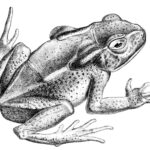
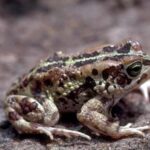
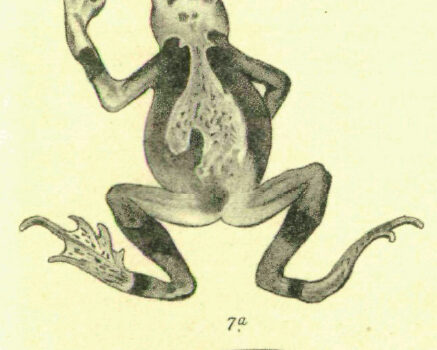
Perhaps unsurprisingly, given their need for camouflage, Nairobi toads aren’t strikingly bright or flamboyant. Instead, they exhibit earthy tones of brown, olive-green, or gray—colors that understandably blend seamlessly into their environment of dirt, roots, and vegetation. Adults grow small, rarely exceeding four centimeters in length, punctuated with wart-like bumps that enhance their subtle camouflage.
Their small size isn’t merely an accident; it helps them negotiate tight spaces beneath foliage or rocks, allowing access to sheltered niches and ample insect prey. Their skin texture, mildly rough yet surprisingly delicate, performs critical respiratory functions and moisture regulation, a beautiful example of evolution tailoring anatomical features precisely to environmental demands. The coloration and texture of their skin also serve a critical defensive purpose—by appearing inconspicuous, Nairobi toads minimize the threat of predation in habitats teeming with potential predators.
Behavior and Life Cycle: Stories from Forest Floors#
A Secretive Lifestyle#
If you seek Nairobi toads during daylight, you’re destined for difficulty. They primarily adopt a nocturnal pattern, emerging as dusk settles over the landscape. During these quiet, cool hours, they navigate carefully through the forest floor seeking insects and small invertebrates. Utilizing keen sensory perception, these creatures skillfully pick out prey items from the darkness of their microhabitats, demonstrating remarkable coordination and precision.
Mating and Reproduction#
When rains arrive, transforming the urban forest into a lush haven of moisture, Nairobi toads are animated into reproductive mode. Gentle chirps and low trilling calls emerge from males hidden near shallow pools, marshy patches, or slow-moving streams. The males’ serenade, while soft and subtle compared to louder frog counterparts, tells females exactly where viable mates exist. After successful courtship, female Nairobi toads lay strands of eggs carefully concealed in shallow pools or among submerged vegetation—offspring that swiftly hatch, soon transitioning from fragile tadpoles to miniature adults fully adapted to life amid hidden shadows.
The Nairobi Toad’s Ecological Role: Indicators of Urban Ecosystem Health#
Every organism plays a part within its ecosystem. For Nairobi toads, their significance extends beyond simply existing in their hidden world. As consumer species, Nairobi toads control insect populations, providing ecological balance by regulating herbivorous insects, potentially protecting certain plant communities from over-consumption.
Moreover, amphibians such as the Nairobi toad act as environmental indicators—canaries in the proverbial coal mine. Their delicate, absorbent skin makes them particularly vulnerable to toxins, pollutants, and environmental changes. Subtle shifts in their population or behavior could serve as early alarm signals of ecological stress, highlighting broader environmental dangers threatening both the fauna and human residents of Nairobi alike.
Threats and Conservation Status: Facing a Fragile Future#
Challenges Amidst Expansion#
Sadly, these small amphibians do not enjoy an existence untouched by danger. Rapid urban expansion poses the most significant threat, fracturing their remaining habitats into smaller, disconnected segments. Pollution from urban runoff introduces toxins that threaten both adults and vulnerable larvae within waterways. Climate change, with increasingly erratic rainfall patterns, makes breeding unpredictable, limiting their reproductive success.
Conservation Initiatives and IUCN Status#
Currently, the Nairobi toad (Mertensophryne nairobiensis) is classified as Critically Endangered according to the IUCN Red List, reflecting serious concerns about declining habitats and populations. Local initiatives and advocacy efforts aim to raise awareness about urban wildlife, promoting effective habitat protection and restoration measures.
Cultural and Scientific Significance: A Hidden Ambassador#
Although small and unobtrusive, Nairobi toads hold cultural and scientific importance beyond their humble appearance. Locally, their existence symbolizes Nairobi’s remarkable yet delicate ecological networks, highlighting the value of preserving urban biodiversity. Scientifically, they offer valuable insights into ecological resilience. Studying these toads and their habitat dynamics opens vital conversations about urban conservation practices worldwide, reinforcing the concept that cities can still thrive with a balance between development and nature preservation.
Conclusion: Preserving Nairobi’s Unseen Treasure#
At less than a thumb’s length, Mertensophryne nairobiensis represents the intricate, often overlooked threads that hold ecosystems together. As urban expansion escalates and global threats multiply, protecting such vulnerable yet vital species becomes increasingly urgent.
As nature enthusiasts, conservationists, and responsible citizens alike, our role becomes clear: we must lend our voices and actions toward protecting habitats for species like the Nairobi toad. Through understanding and awareness, perhaps we’ll succeed in saving not only one tiny, humble amphibian but also the very principles of coexistence on which our shared future so fundamentally depends.