- Mertensophryne lonnbergi: The Enigmatic Frog of Africa's Eastern Highlands
- Taxonomy and Classification: An Intriguing Lineage
- Natural Habitat: Life Amidst Mist and Shadows
- Physical Characteristics: A Master of Disguise
- Behavior and Life Cycle: Hidden Lives, Quiet Wonders
- Ecological Role: Guardians of Forest Health
- Threats and Conservation Status: Facing Hidden Dangers
- Cultural and Scientific Significance: Small Amphibians with Significant Lessons
- Conclusion: Protecting a Quietly Precious Creature
Mertensophryne lonnbergi: The Enigmatic Frog of Africa’s Eastern Highlands#
Hidden amid the lush greenery and cool, mist-laden soils of eastern Africa’s mountainous regions lives a remarkable amphibian that often goes unnoticed: Mertensophryne lonnbergi. Named after renowned Swedish zoologist Einar Lönnberg, the Lonnberg’s Forest Toad is a beautiful yet secretive frog whose existence speaks volumes about the fragile balance of life in our planet’s delicate ecosystems. This mysterious creature’s story weaves together evolution, resilience, and vulnerability, offering insights into the unseen worlds thriving just beneath the leaf litter. Though small and enigmatic, their subtle presence provides essential clues about the health and well-being of their forested homes.
Having piqued your curiosity, let us venture deeper into the fragrant forests, cool highlands, and delicate ecosystems to uncover the fascinating tale of Mertensophryne lonnbergi, the frog quietly shaping the story of East Africa’s biodiversity.
Taxonomy and Classification: An Intriguing Lineage#
Belonging to the family Bufonidae, commonly known as the “true toads,” Mertensophryne lonnbergi occupies a specialized niche within this diverse amphibian lineage. True toads are celebrated for their adaptability; however, within this grandeur family, Mertensophryne represents a relatively restricted and finely adapted genus.
Morphologically and genetically distinct, the genus Mertensophryne is native to sub-Saharan Africa, characterized by a tendency toward secretive lifestyles in forested habitats. Within this genus, the Lonnberg’s Forest Toad emerges as a paragon of ecological specialization—shaped over millennia by the selective pressures of humid, montane environments. Closely related cousins, such as Mertensophryne taitana, similarly inhabit specialized forests across East Africa, forming a mosaic of fragmented and fascinating distribution patterns.
Natural Habitat: Life Amidst Mist and Shadows#
Geographic Range and Distribution#
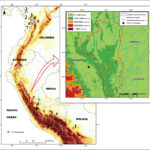
Known primarily from the Eastern Arc Mountains and stretching through certain highland regions of Kenya and Tanzania, Mertensophryne lonnbergi inhabits misty forests at elevations ranging from 800 to 2000 meters. It prefers regions characterized by year-round moisture—where dense canopies filter sunlight and frequent rains nourish thick understories. Such forests, cloaked in fine mist and evergreen foliage, offer these cryptic amphibians the ideal combination of humidity, stable temperatures, and abundant prey.
Microhabitat Preferences#
Within these exuberant forests, the Lonnberg’s Forest Toad seeks refuge beneath layers of damp leaf-litter, nestled among fallen branches and moss-covered logs. They particularly favor the edges of gentle forest streams and seepages– areas humming with insect activity and constantly moist soils, both of which are crucial for their survival. Small pools, crevices, and even abandoned burrows may serve as temporary sanctuaries, ensuring their delicate skins remain hydrated and protected from predators.
Their subtle and selective habitat preferences reveal a harmonious interdependence—a frog finely attuned to its forest home, offering naturalists and ecologists a sensitive indicator of environmental health. A healthy population of Mertensophryne lonnbergi typically signals the ecological vitality of the broader forest ecosystem.
Physical Characteristics: A Master of Disguise#
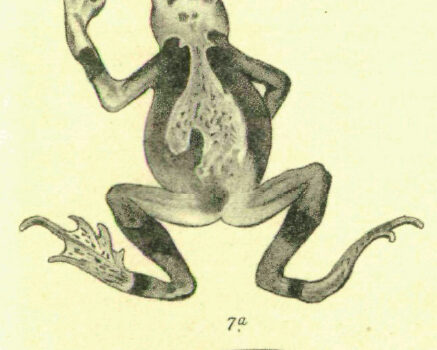
At first glance, this tiny amphibian may appear modest, yet up close the delicate details reveal an exquisite adaptation to its surroundings. The adult Lonnberg’s Forest Toad ranges from 20 to 40 millimeters in length—with females generally larger than males—a common trait among toads.
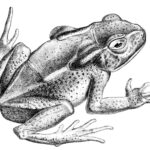
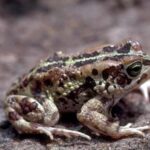
Their skin possesses a rough, granular texture with prominent glands behind the eyes capable of secreting toxins as a means of defense. Murky brown shades, mottled greys, and moss-hued patches adorn their bodies, imitating the shadows and textures of their leafy habitats perfectly. Their cryptic coloration, coupled with subtle spot patterns, allow them superb camouflage against predators such as birds, snakes, or small mammals.
Large, expressive eyes highlight the frog’s nocturnal inclinations, enabling them to track prey in dim forest light. Their limbs, stout but flexible, are perfectly adapted for navigating uneven terrain, while surprisingly strong hind legs provide leverage for sudden leaps in emergency scenarios.
Behavior and Life Cycle: Hidden Lives, Quiet Wonders#
Nocturnal Hunters, Precise Predators#
Emerging from daylight refuges beneath leaves or logs as dusk descends upon the forest, Mertensophryne lonnbergi begins its nightly mission. Patiently creeping across damp ground with deliberate, careful movements, they hunt insects, spiders, and various invertebrates—prey items abundant in their moist habitats. Their sharp eyesight and fast, sticky tongues facilitate efficient predation even in low-light conditions, ensuring that the forests’ unseen invertebrates stay regulated in number.
Intriguing Breeding Rituals#
The onset of the rainy season signals a remarkable transformation in the life of these secretive toads. Males—normally silent and elusive—suddenly venture to moisture-rich areas, producing soft but persistent chirps and trills to entice females. Often hidden beneath foliage or near trickling streams, these choruses blend beautifully into the nocturnal orchestra of insects and other forest amphibians.
Upon successful pairing, the female lays eggs under the protection of submerged vegetation in slow-flowing streams or forest pools. Unlike some amphibians with elaborate parental care, the Lonnberg’s Forest Toad leaves her eggs without further attention, trusting the stable habitat to safely foster her offspring. Remarkably, the larvae (tadpoles) survive hidden in shallow waters, feeding on algae, organic material, and other microscopic lifeforms until gradually metamorphosing into terrestrial adults.
Ecological Role: Guardians of Forest Health#
A small amphibian might seem inconsequential, yet its ecological role is significant. As voracious insect predators, individuals of this species help control insect populations, inadvertently safeguarding plants from defoliation and disease transmission. Additionally, their presence forms a critical link in intricate forest food webs, offering nutritious prey items to snakes, birds, and small predators.
Moreover, amphibians like Mertensophryne lonnbergi are considered excellent indicators of habitat health, responding rapidly to environmental disturbances or pollution through population declines or behavioral changes. Monitoring their populations allows conservationists to functionally gauge biodiversity conservation effectiveness, helping safeguard not just individual species but entire ecosystem interactions.
Threats and Conservation Status: Facing Hidden Dangers#
Unfortunately, these delicate forest frogs face significant threats, many directly or indirectly propagated by human activity. Habitat destruction, primarily through agricultural expansion, logging, and settlements, presents the gravest risk. Fragmentation of their forest habitat isolates populations, making genetic exchange and subsequent survival increasingly difficult.
Climate change exacerbates these pressures. Increased temperatures and altered rainfall patterns disrupt breeding cycles, reduce prey abundance, and destabilize microhabitats essential for their survival. Additionally, invasive species and pollution threaten to introduce novel diseases or toxins to susceptible amphibian populations.
According to the IUCN Red List, Mertensophryne lonnbergi is currently listed as “Least Concern” due to fairly broad distribution. However, steady habitat loss and climate-related stressors underline urgent conservation measures required for sustained survival.
Cultural and Scientific Significance: Small Amphibians with Significant Lessons#
While Mertensophryne lonnbergi doesn’t prominently feature in local folklore, amphibians universally symbolize transformation, renewal, and environmental sensitivity. Scientifically, this species provides valuable research opportunities concerning forest ecosystem health, climate adaptation, and amphibian conservation methodologies.
Studies exploring their natural toxins may also yield intriguing biological and pharmacological insights in coming decades, potentially providing novel medical or ecological solutions.
Conclusion: Protecting a Quietly Precious Creature#
The story of Mertensophryne lonnbergi is one that epitomizes subtlety, adaptability, and vulnerability wrapped into a single, humble species. Its haunting melodies, cryptic coloration, and sensitive biology offer powerful yet gentle reminders of nature’s profound interconnections and dependencies. We, as custodians of our planet, bear a responsibility to protect not just the charismatic large fauna that dominate our consciousness, but also these smaller, quieter ambassadors of ecological integrity.
Ultimately, safeguarding frogs like Lonnberg’s Forest Toad means protecting entire ecosystems, conserving countless species, and nurturing a richer biodiversity heritage for future generations. Actively supporting conservation efforts, learning more about amphibian ecology, and advocating for sustainable environmental practices are small yet crucial actions we can take toward preserving this delicate, beautiful world in which Mertensophryne lonnbergi quietly thrives.