- The Enchanting Life of Melanophryniscus stelzneri: Argentina's Hidden Jewel
- Taxonomy and Classification: Unveiling the Amphibian Lineage
- Natural Habitat: Life Amidst Grasslands and Rocky Hillsides
- Physical Characteristics: Beauty in Bright Warning Colors
- Behavior and Life Cycle: The Remarkable Dance of Survival
- Ecological Role: Amphibian Vitality in Complex Ecosystems
- Threats and Conservation Status: Battling Human Influence and Habitat Decline
- Cultural and Scientific Significance: From Folklore to Bioindicators
- Conclusion: Celebrating Argentina’s Hidden Amphibian Gem
The Enchanting Life of Melanophryniscus stelzneri: Argentina’s Hidden Jewel#
Tucked away among the diverse grasslands and rocky landscapes of central Argentina, a spectacular yet subtly elusive amphibian quietly thrives: Melanophryniscus stelzneri. Known to locals as Stelzner’s Toad, this colorful marvel isn’t your average backyard frog. Instead, it wears a dazzling cloak of bright yellow and black hues warning passersby of its potent defenses—a beautiful example of evolution’s splendid artistry. From its quirky appearance to its unique breeding behaviors, Melanophryniscus stelzneri captivates those lucky enough to catch a glimpse.
Beyond charm and beauty, this small but vibrant creature plays critical roles in local ecosystems and faces conservation challenges warranting thoughtful consideration. As we journey deeply into the grasslands, rock crevices, and marshy habitats these frogs call home, be prepared to uncover the fascinating secrets, survival strategies, and ecological significance of Stelzner’s colorful amphibian ambassador.
Taxonomy and Classification: Unveiling the Amphibian Lineage#
The scientific classification of Melanophryniscus stelzneri places it firmly within the diverse anuran lineage—frogs and toads, those charismatic amphibians whose delicate lives straddle both land and water. Specifically, it belongs to the family Bufonidae, known commonly as true toads, renowned for their robust physiques, dry skin, and specialized poison glands.
Within this expansive family, Melanophryniscus represents a distinctive genus adapted to specialized habitats throughout South America, particularly centered around temperate grasslands and rocky outcrops. Stelzner’s Toad was first described scientifically by Weyenbergh in 1875, immortalizing Alfredo Stelzner, a noted German naturalist who motivated natural history exploration within Argentina.
The close relatives of Melanophryniscus stelzneri include several small, colorful species, equally notable for their vibrant warning colors—an adaptation known scientifically as aposematism—to visually advertise their inherent toxicity, discouraging potential predators from attempting a risky snack.
Natural Habitat: Life Amidst Grasslands and Rocky Hillsides#
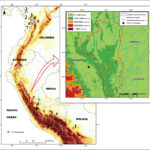
Wandering into the landscape of central Argentina, the terrain comprises a mosaic of scrubland, grass-covered hillsides, seasonal ponds, and rock-strewn slopes commanding the habitat preference of these charismatic amphibians. Found predominantly in provinces such as Córdoba, Santiago del Estero, and San Luis, Melanophryniscus stelzneri exhibits a remarkable adaptability within its chosen range.
A Patchwork Landscape: Habitat Preferences#
This resilient amphibian favors habitats characterized by open vegetation punctuated by exposed rocky surfaces and moist microhabitats necessary to balance their reliance upon delicate moisture levels. Ephemeral water bodies, such as temporary ponds and flooded depressions formed by heavy seasonal rains, offer crucial breeding grounds for Stelzner’s Toad. During dry months, they retreat into moist crevices, beneath stones, logs, or dense grasses, skillfully managing moisture loss with astonishing precision.
The habitat’s particular blend of sunlight, moisture balance, soil structure, and vegetation forms a finely tuned ecosystem matching precisely their biological needs. An intricate web of climatic, geological, and botanical factors shapes the perfect haven, enabling these toads to thrive despite considerable seasonal fluctuations.
Physical Characteristics: Beauty in Bright Warning Colors#
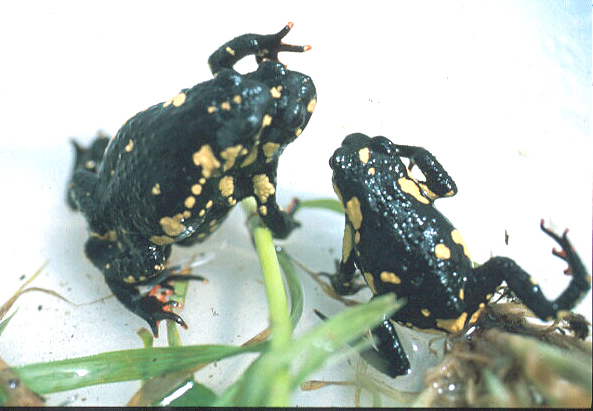
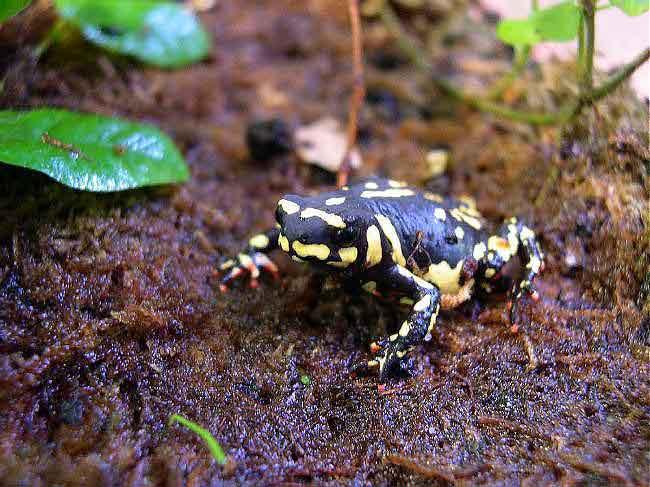
The delightful and captivating appearance of Melanophryniscus stelzneri instantly distinguishes it from duller cousins. Adults typically measure between two and three centimeters in length—a relatively small amphibian yet compellingly conspicuous owing to brightly patterned skins. Its striking coloration usually features a dazzling mosaic of bright yellows, fiery oranges, and contrasting deep blacks, often dramatically punctuated by irregular markings serving as unmistakable warnings to potential predators.
These vivid patterns represent a well-refined evolutionary adaption termed aposematic coloration. This striking coloration serves as a clear signal to would-be predators that the vibrant amphibians carry natural chemical defenses. The skin of Melanophryniscus stelzneri contains potent toxins, predominantly synthesized from prey insects, which discourages predation—a fascinating adaptation exemplifying the delicate balance within predator-prey dynamics.
The toad’s robust, rounded body, conspicuously short limbs, and rough-textured skin further reinforce their hardy appearance, perfectly suited for a semi-arid landscape where endurance and resilience exemplify survival.
Behavior and Life Cycle: The Remarkable Dance of Survival#
Despite their miniature size and fragile appearance, Melanophryniscus stelzneri demonstrates an incredible repertoire of behaviors fine-tuned by evolution. Observing these frogs in their natural habitat opens a door into an intimate, hidden theater of ecological drama.
Feeding and Diet: Small But Mighty Hunters#
Their diet consists predominantly of small arthropods, especially ants, beetles, mites, and spiders. These tiny yet nutrient-rich prey items supply vital alkaloids, compounds the frogs accumulate within their skin glands, enhancing their toxic defenses. Carefully moving across the leaf litter and rocky surfaces, Melanophryniscus stelzneri utilizes rapid, precise strikes to snatch prey, highlighting remarkable coordination and agility.
Intricate Courtship Rituals and Tadpole Development#
Melanophryniscus stelzneri engages in dramatic seasonal breeding triggered by the onset of heavy rains. Males emerge first, converging at temporary ponds or flooded grasslands. Using resonant mating calls that echo softly among raindrops, male toads invite females to shallow waters, where mats of submerged vegetation become bustling nurseries for eggs.
Upon successful mating, females deposit delicate strings or clusters of gelatinous eggs among aquatic vegetation. Tadpoles swiftly hatch in response to abundant moisture, quickly undergoing rapid developmental phases before the transitory ponds evaporate completely. This urgency highlights nature’s fine timing—the balance between pioneering life and seasonal impermanence forming the pulse of amphibian existence.
Ecological Role: Amphibian Vitality in Complex Ecosystems#
While small and sometimes inconspicuous, Melanophryniscus stelzneri serves as both predator and prey, occupying a crucial ecological niche in Argentine ecosystems. As voracious insectivores, these toads actively regulate arthropod populations, additionally transferring essential nutrients and accumulated toxins within the food web as prey for larger predators such as birds and snakes adventurous enough to risk consumption.
As potent bioindicators, the health of toad populations can signal habitat quality overall, with their sensitivity to environmental changes reflecting broader terrestrial and aquatic ecosystem integrity. Monitoring the population health, reproduction, and distribution of Melanophryniscus stelzneri offers researchers key insights on ecosystem conditions and biological diversity.
Threats and Conservation Status: Battling Human Influence and Habitat Decline#
Currently listed by the International Union for Conservation of Nature (IUCN) as a species of Least Concern, Stelzner’s Toad nevertheless faces subtle, insidious threats. Deforestation, habitat fragmentation due to agriculture expansion, pesticide use polluting absorption-sensitive amphibian skins, climate change altering precipitation patterns, and opportunistic collection for pet trades represent growing concerns.
Efforts led by conservation scientists to assess populations regularly alongside community-led habitat conservation projects foster avenues for protecting the habitats vital to their survival. Promoting understanding among local populations and education initiatives to reduce pesticide use significantly contribute to sustaining the delicate habitats these amphibians require.
Cultural and Scientific Significance: From Folklore to Bioindicators#
Melanophryniscus stelzneri holds quiet yet meaningful significance within local cultures, often softly imprinted in regional folklore symbolizing cautious reverence toward brilliantly colored yet perilously poisonous wildlife. Scientifically, these amphibians contribute to valuable research on toxin dynamics within ecosystems, evolution of prey-predator interactions, and environmental data essential for conservation policies answering pressing ecological questions.
Conclusion: Celebrating Argentina’s Hidden Amphibian Gem#
Amidst quiet grasses, ephemeral waters, and shaded rocky alcoves, Melanophryniscus stelzneri flourishes—a testament to nature’s intricate complexity. As stewards of our environments, our connection to this remarkable amphibian deepens through appreciation, conservation action, and community education. By protecting their habitats, understanding their biology, and celebrating their unique adaptations, we nurture ecosystems that sustain humanity itself. For the hidden jewels of Argentina like Stelzner’s Toad invite us toward looking closer, understanding deeper, and protecting fiercely, ensuring future generations also witness nature’s captivating beauty.