- Unearthing the Secrets of Melanophryniscus simplex: A Jewel Among Amphibians
- Taxonomy and Classification: Finding Its Place Among Amphibians
- The Quiet Wetlands: Natural Habitat of Melanophryniscus simplex
- Physical Characteristics: Colors with a Deeper Purpose
- Behavior and Life Cycle: A Fascinating Journey of Survival
- Ecological Importance: A Keystone in the Wetlands
- Threats and Conservation Status: Guarding a Fragile Future
- Cultural and Scientific Significance: Beyond Biological Value
- Conclusion: Celebrating the Small Yet Mighty
Unearthing the Secrets of Melanophryniscus simplex: A Jewel Among Amphibians#
Hidden within the lush subtropical grasslands and wetlands of southern Brazil, Uruguay, and northern Argentina dwells a remarkable amphibian — the humble yet captivating Melanophryniscus simplex. At first glance, it might appear to be just another frog species, tucked quietly in the mosaic habitats of southern South America. But beneath the surface of its striking coloration and unique adaptations lies a fascinating tapestry of ecological significance, biological intrigue, and urgent conservation concerns.
Often referred to simply as a “red-belly toad,” Melanophryniscus simplex commands attention with its distinctive and vivid hues. This species is a small yet vital thread in the intricate web of life within its natural habitat, acting not just as predator and prey but also as a valuable indicator of ecosystem health. To truly appreciate this little-known amphibian, one must journey into the wetlands and grasslands it calls home—lands teeming with moisture, vibrant plant communities, and secretive wildlife.
In discovering the story of Melanophryniscus simplex, we explore not only the amphibian itself but also the delicate balance of nature it represents, a balance increasingly threatened by human activities. Drawn to the package of ecological importance and aesthetic charm, scientists and nature enthusiasts alike continue to delve deeper into the life and survival of this fascinating creature.
Taxonomy and Classification: Finding Its Place Among Amphibians#
Melanophryniscus simplex belongs to the family Bufonidae, widely known as true toads. However, unlike typical, larger, and earth-colored cousins, members of the genus Melanophryniscus are celebrated for their striking colors and tiny stature. They form part of a special subfamily often nicknamed “South American red-belly toads,” a nod to their distinctively colored undersides.
This particular species, Melanophryniscus simplex, was scientifically described in 1875 and stands clearly apart from its relatives due to its simpler coloration patterns and smaller adult size. Its species epithet “simplex,” reflecting this seemingly understated appearance, belies the deeper complexity of its biology and behavior.
Among related species like Melanophryniscus stelzneri or Melanophryniscus tumifrons, our featured amphibian holds a unique position—highlighting less visual flamboyancy but equal ecological importance. Its taxonomy not only classifies it scientifically but also emphasizes the evolutionary adaptations shaped through generations within its specific ecosystem.
The Quiet Wetlands: Natural Habitat of Melanophryniscus simplex#
Melanophryniscus simplex thrives in a region characterized by frequent rainfall, moderate temperatures, and high humidity. Its preferred habitats include subtropical or temperate grasslands interspersed with temporary wetlands, swamps, seasonal streams, and marshes. Often hidden beneath layers of leaf litter or nestled into ornate tangles of vegetation, these tiny amphibians are expertly adapted for life among damp grasses, sedges, and scattered shrubs.
The importance of ephemeral wetlands—small pools and marshes that fill with seasonal rainfall—cannot be overstated. These temporary waters offer ideal conditions for mating, egg-laying, and tadpole development, free from predatory fish that inhabit permanent water bodies. Their habitat preference illustrates precisely how specialized physical and behavioral adaptations significantly influence species survival over evolutionary time.
Walking into the grasslands inhabited by Melanophryniscus simplex during the rainy season, a careful observer might note a quiet symphony from below—soft calls echoing faintly, signaling the amphibians’ mating rituals. It is within these damp, peaceful environments that each generation continues its timeless struggle for survival and reproduction.
Physical Characteristics: Colors with a Deeper Purpose#
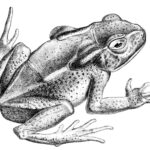
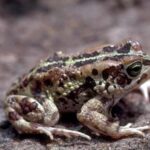
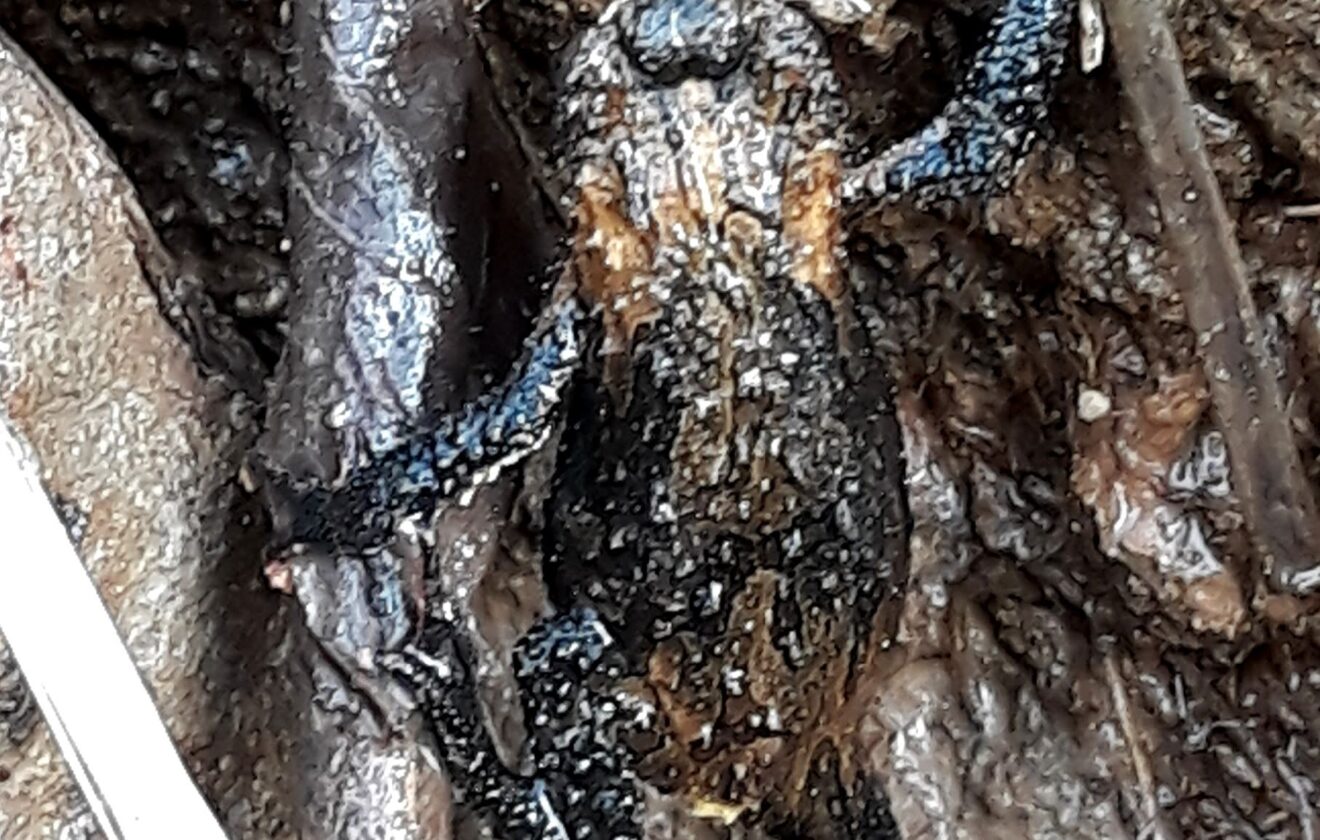
Despite measuring only around 19-25 millimeters from snout to vent, Melanophryniscus simplex immediately captures the attention of those fortunate enough to spot it. The frog’s small size conceals hidden powers: brilliantly contrastive coloration serves both as adornment and warning.
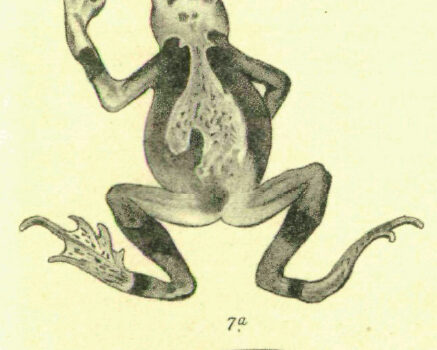
The dorsal side of the species usually manifests in shades of olive-green, brown, or black, with subtle textures enabling camouflage among shades of leaf litter and soil. Its ventral surface predominantly glows a striking red, orange, or yellow—an unmistakable statement in nature’s language, warning potential predators of subtle yet potent toxins carried in the frog’s skin. Such aposematic coloration alerts animals within its ecosystem to the dangers of consuming this alluring amphibian, promoting survival through deterrence rather than concealment.
Adapted deftly for its watery terrestrial life, Melanophryniscus simplex possesses short but muscular legs, webbed feet suited to crawling and hopping among the dense marsh vegetation. The nuanced balance of careful concealment above and cautionary bright colors below creates a superb evolutionary strategy, essential for this small amphibian’s continued existence.
Behavior and Life Cycle: A Fascinating Journey of Survival#
Diet and Feeding Habits#
The ecological niche filled by Melanophryniscus simplex as an insectivorous amphibian is critical. Like many small frogs, it feeds mainly on small arthropods—including ants, mites, fleas, beetles, and other insects—playing a valuable role in controlling insect populations. Equipped with a keen sense of sight and rapid reflexes, it captures prey swiftly using its sticky, projectile tongue, a sight that, while common among amphibians, continues to enthrall even seasoned naturalists.
Mating and Reproduction#
When seasonal rains drench their subtropical habitats, these toads gather at ephemeral pools for reproduction. Shortly after dusk, males emit delicate chirping or clicking calls to attract females—calls subtle enough to confuse an untrained observer for the rhythmic clicks of insects or the gentle taps of falling raindrops. Engaged pairs temporarily unite in amplexus, a mating embrace ensuring fertilization as females release eggs into shallow pools, where warmer temperatures facilitate rapid embryonic development.
Tadpoles emerge mere days later. Exhibiting striking adaptability, they rapidly develop through metamorphosis over several weeks, dependent on both their nutrient-rich yolk and available microscopic plant and animal matter. Young toadlets soon disperse into terrestrial habitats, carrying on the subtle legacy of their species.
Ecological Importance: A Keystone in the Wetlands#
Though small in size and discreet in visibility, Melanophryniscus simplex exerts considerable ecological influence. It serves as essential prey for water birds, small mammals, snakes, and larger amphibians like water frogs, helping sustain vibrant biodiversity and intricate food webs in South American wetlands.
Moreover, their sensitivity to environmental changes makes them critical bioindicators. Changes in their population distributions can offer early warnings about deteriorations in local ecosystems—disturbances often invisible until too late. Thus, Melanophryniscus simplex becomes not only a fascinating creature of science and beauty but also an indispensable sentinel for environmental health.
Threats and Conservation Status: Guarding a Fragile Future#
Melanophryniscus simplex currently holds the conservation status “Least Concern” according to the IUCN Red List. However, their reliance on specialized habitats places them in persistent vulnerability. Habitat degradation due to agriculture, cattle grazing, and expanding urban development along with potential climate disruptions threaten the integrity of the fragile wetland ecosystems central to their survival.
Conservation initiatives must emphasize sustainable land use, protection of wetlands, ecological monitoring, and habitat restoration. Educational programs, citizen-science projects, and proactive engagement with local communities can ignite communal passion—ensuring this species endures in perpetuity.
Cultural and Scientific Significance: Beyond Biological Value#
Though Melanophryniscus simplex might not prominently feature in folklore or local myths like charismatic megafauna often do, its existence enriches our understanding of ecology profoundly. Ongoing studies into toxins present in the skin have unveiled novel medicinal and biochemical potentials, propelling further investigation into amphibian-derived products beneficial for humanity, underscoring nature’s extraordinary hidden pharmacy in even modest species.
Conclusion: Celebrating the Small Yet Mighty#
The story of Melanophryniscus simplex insists upon recognition of beauty found within small, discreet creatures, firmly anchoring a reverence for nature’s finer details. Beyond their ecological importance, these frogs offer powerful lessons about living in harmony with the natural world and remind us of our responsibility to safeguard delicate landscapes against irreversible damage.
To learn more, support amphibian conservation organizations, consider joining local citizen science projects, and advocate for wetland conservation programs. The ecological music of Melanophryniscus simplex, quiet yet compelling, demands listening and actions that safeguard their vibrant future amidst subtropical mists.