- Melanophryniscus pachyrhynus: The Intriguing World of the Southern Ornate Frog
- Understanding the Taxonomy and Classification
- The Subtropical Forest: A Sanctuary of Life
- Striking Physical Characteristics and Clever Adaptations
- Behavior and Fascinating Life Cycle
- The Ecological Role of the Ornate Frog
- Threats, Conservation, and an Urgent Call for Protection
- Cultural Significance and Scientific Discoveries
- Conclusion: A Jewel Worth Preserving
Melanophryniscus pachyrhynus: The Intriguing World of the Southern Ornate Frog#
Hidden beneath layers of damp foliage, amid the quiet whispers of South America’s subtropical forests, dwells a strikingly small yet remarkably vibrant amphibian: Melanophryniscus pachyrhynus, affectionately known as the southern ornate frog. A master of camouflage and a bearer of subtle toxicity, this tiny amphibian embodies nature’s ingenious design, capturing the fascination of both scientists and nature lovers across the globe.
Though scarcely larger than a thumbnail, Melanophryniscus pachyrhynus carries immense ecological importance, nestled comfortably within a delicate network that binds life together in subtropical ecosystems. Despite its modest size, the frog commands attention with its intricate markings, peculiar behaviors, and striking adaptations. Let us journey through the lush habitats and intriguing life of this unassuming yet wondrous amphibian.
Understanding the Taxonomy and Classification#
Melanophryniscus pachyrhynus is a proud member of the Bufonidae family, more commonly referred to as the “true toads.” Within this family, it belongs to the genus Melanophryniscus, a distinct group characterized by vividly colored, often toxic frogs. This genus is renowned for the biochemical potency of its species—peculiarities that bridge the gap between charm and danger.
Commonly known as the southern ornate frog, this species was first described scientifically by the zoologist Miranda-Ribeiro in 1920. Although its name may not be a household fixture, within herpetological circles, Melanophryniscus pachyrhynus is respected for its ecological prominence and fascinating evolutionary history. Closely related species, such as Melanophryniscus stelzneri and Melanophryniscus tumifrons, possess similarly vibrant colorations and share comparable ecological roles, highlighting a shared evolutionary trajectory among these South American gems of biodiversity.
The Subtropical Forest: A Sanctuary of Life#
A Limited Yet Diverse Geographic Range#
Melanophryniscus pachyrhynus boasts a relatively narrow geographical distribution, predominantly concentrated in southern Brazil, particularly within the states of Santa Catarina and Rio Grande do Sul. These lush subtropical forests, characterized by warm, humid climates and rich biodiversity, represent some of the most diverse habitats on Earth, home to countless amphibian, mammalian, avian, and insect species.
The intricate tapestry of life found in these locations provides the ideal refuge for this diminutive frog. Unlike other amphibians that thrive exclusively around waterways, Melanophryniscus pachyrhynus often favors terrestrial microhabitats, hiding within moist leaf litter, moss-covered stones, or beneath layers of decomposing vegetation.
A Perfect Home Beneath the Leaves#
In its subtropical abode, humidity reigns supreme, and rainfall patterns dictate the rhythms of life. For the southern ornate frog, this abundance of humidity means adequate hydration and the perfect conditions for maintaining moist skin, a necessity for respiration. The leaf litter and shaded forest floor serve as an ideal canvas on which its brightly colored yet cryptically patterned skin seamlessly blends into the surroundings.
Amidst fallen leaves and patches of moss, the frog finds both refuge and sustenance. Damp and shady, these microhabitats provide shelter from the warming rays of the sun and refuge from potential predators lurking overhead. This convergence of climate, vegetation cover, and moisture levels uniquely suits the lifestyle of Melanophryniscus pachyrhynus, producing a finely tuned ecological niche.
Striking Physical Characteristics and Clever Adaptations#
A Small Yet Impressive Appearance#
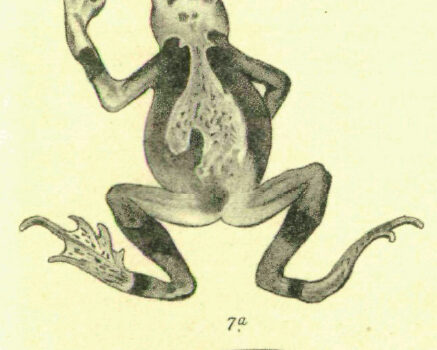
The southern ornate frog rarely exceeds 30 millimeters (approximately 1.2 inches) in length; yet, what it lacks in stature, it more than compensates for in vivid patterning. Its body displays distinctive black, yellow, and occasionally vivid reddish-orange markings, forming unique patterns that vary from one individual to the next. This patchwork of color serves dual purposes: it can both warn of its toxicity and help it blend seamlessly into the forest’s dappled shade.
An intriguing anatomical trait of Melanophryniscus pachyrhynus is its stout, robust build and short limbs, indicative of its ground-dwelling lifestyle. It stands closer to the ground, presenting an appearance that is both sturdy and resilient, adapted precisely for navigating through dense foliage and leaf litter.
Toxicity: A Striking Defense Mechanism#
Perhaps the most fascinating adaptation of Melanophryniscus pachyrhynus is its toxicity, a fundamental defense mechanism honed by millions of years of evolutionary pressure. These frogs produce potent alkaloid toxins secreted from their skin’s specialized glands. When threatened by predators, these secretions deter or incapacitate their assailant, protecting the frogs from becoming an easy meal.
While toxic to predators, it is important to note that the toxins are primarily defensive in nature and pose no major threat to humans if handled cautiously. Nonetheless, it’s always recommended to admire the amphibian’s beauty respectfully, without disturbing it or its delicate habitat.
Behavior and Fascinating Life Cycle#
Secretive Hunters and Opportunistic Feeders#
Melanophryniscus pachyrhynus pursues a diet predominantly composed of small invertebrates, including ants, mites, beetle larvae, and other minute organisms abundant within leaf litter. Utilizing a sit-and-wait hunting strategy, the frog patiently positions itself amongst the leaves, remaining nearly invisible as it awaits its unsuspecting prey.
Rapid and precise strikes, assisted by its sticky tongue, ensure successful capture, illustrating the marvelously efficient feeding habits of a creature perfectly attuned to the doings of its microscopic neighbors.
Life Stages: From Tadpole to Froglet#
Reproduction occurs seasonally, usually synchronized with periods of heavy rainfall typical of subtropical climates. Male Melanophryniscus pachyrhynus engage in vocal choruses to attract potential partners, a melodic yet somewhat cryptic symphony lost in the vastness of subtropical landmarks. Once mate-pairing occurs, successful fertilization gives rise to clusters of gelatinous eggs, typically laid secretively in small depressions on moist substrates or shallow pools created by rain.
The ensuing metamorphosis from tadpole to frog is swift and impressive. Tadpoles initially feed on algae and detritus available in these temporary aquatic nurseries, rapidly developing limbs, mouthparts, and lungs, necessary for terrestrial life. Soon enough, tiny froglets emerge, ready to embark on the arduous journey of surviving in their complex forest world.
The Ecological Role of the Ornate Frog#
Despite its seemingly insignificant size, Melanophryniscus pachyrhynus performs vital ecological roles as both predator and prey. In feeding upon insects and arthropods, these frogs help regulate populations of invertebrate species, thereby preserving ecological balance. Simultaneously, they provide food to larger predators, such as birds and mammals, despite their chemical defenses.
Moreover, amphibians are widely recognized as indicators of environmental health, their populations reflecting changes in habitat quality, climate conditions, and ecological integrity. Melanophryniscus pachyrhynus is no exception, offering invaluable insights into ecosystem health and helping scientists identify environmental stressors in real-time.
Threats, Conservation, and an Urgent Call for Protection#
A Species Under Pressure#
Like many amphibians globally, Melanophryniscus pachyrhynus faces ongoing threats due to habitat loss and fragmentation, primarily driven by agricultural expansion, urbanization, and logging. Climate change and pollution further exacerbate these threats, placing additional pressure on already sensitive populations.
The International Union for Conservation of Nature (IUCN) categorizes Melanophryniscus pachyrhynus as “Near Threatened,” highlighting the importance of monitoring and protecting this species before further population declines occur.
Conservation Today and Tomorrow#
Several conservation initiatives aim at habitat conservation, stringent environmental regulation enforcement, ecological research, and increasing public awareness of the species’ plight. Establishing conservation zones and promoting sustainable forestry as well as ecotourism endeavors can aid significantly in preserving vital habitats for this remarkable amphibian.
Cultural Significance and Scientific Discoveries#
While the societal influence of Melanophryniscus pachyrhynus is modest, the amphibian has sparked considerable scientific curiosity. Researchers continue to investigate the biochemical properties of its fascinating toxins, essential for pharmacological applications and ecological implications, enhancing humanity’s scientific understanding and potentially informing human health advances.
Conclusion: A Jewel Worth Preserving#
The southern ornate frog, Melanophryniscus pachyrhynus, serves as a compelling reminder of nature’s boundless creativity. It weaves together aesthetic beauty, ecological wisdom, and environmental sensitivity into one tiny yet indescribably fascinating creature.
As we marvel at its existence, let us also commit our energies toward conservation, ensuring that this remarkable amphibian continues its splendid dance of life amid South America’s peaceful subtropical forests for generations to come.