Meet Melanophryniscus montevidensis: Uruguay’s Enchanting Little Toad#
Hidden among the coastal dunes, marshlands, and lush forests along Uruguay’s Atlantic coastline resides a jewel-like amphibian, the vibrant and elusive Melanophryniscus montevidensis. Affectionately known in English as the Montevideo Redbelly Toad, this diminutive but astonishingly colorful species remains unfamiliar to many. Yet, beneath its modest size and delicate appearance lies a fascinating life shaped by evolutionary adaptations, intricate behaviors, and a delicate balance within its unique coastal habitat. By journeying into the life and times of this intriguing species, we not only unravel the mysteries of its existence but also reflect on broader themes of ecology, conservation, and biodiversity.
Did you know that although barely larger than a coin, this tiny amphibian carries potent toxins in its brightly colored skin? That’s just one of the many secrets waiting to be discovered in the enchanting world of Melanophryniscus montevidensis.
Taxonomy and Classification#
Melanophryniscus montevidensis belongs to the Bufonidae family—often called the true toads—a diverse group characterized by their rough, glandular skin and terrestrial adaptations. Within this extensive group, the genus Melanophryniscus comprises small-sized, vividly colored, and toxic toads distributed across parts of Argentina, Brazil, Paraguay, and Uruguay. As implied by its specific epithet “montevidensis,” this particular species was first documented in the surroundings of Montevideo, Uruguay’s capital.
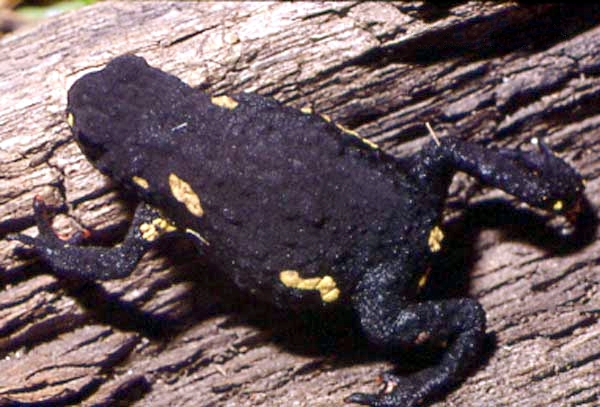
The genus name, Melanophryniscus, elegantly combines Greek terms meaning “black” (melano) and “toad” (phrynos), highlighting the distinctive dark pigmentation predominant on their bodies. Indeed, members of this genus, including our Montevideo Redbelly, possess striking black backgrounds adorned with vibrant reds, yellows, and oranges. Taxonomically, this recognizable coloration helps distinguish them from closely related genera within Bufonidae, reinforcing their distinct ecological adaptations.
Natural Habitat#
The Coastal Heartland of Uruguay#
Stepping into the habitat of the Montevideo Redbelly Toad is akin to entering a world defined by salt-tinged winds, shifting sands, reed-bordered lagoons, and patches of moist, coastal forests. Native exclusively to Uruguay’s coastal region—primarily from Montevideo eastward to Rocha—M. montevidensis has evolved to thrive among sand dunes, wetlands, and forests that stretch gently along the Atlantic coast.
In these coastal ecosystems, freshwater availability fluctuates with seasons and coastal weather, creating a mosaic of wet and dry habitats. Melanophryniscus toads, including the Montevideo species, have adapted remarkably well to this fluctuating environment. They seek refuge beneath leaf litter or burrow shallowly into the humid soil during dry spells, only emerging to forage, breed, and reassert their territorial claims during wetter periods.
A Crucial Dependence on Moisture#
Water bodies—temporary ponds, flooded lowlands, and slow-flowing lagoons—are vital to the lifecycle of this amphibian. Like many other amphibians, Montevideo Redbelly Toads depend on the availability of freshwater habitats for successful reproduction. During rains and periods of increased humidity, males gather near the edges of shallow freshwater bodies, emitting their characteristic calls into the night. Females arrive shortly after, selecting suitable mates and depositing eggs carefully into shallow pools that soon become nurseries bustling with tadpoles.
Physical Characteristics#
A Jewel-like Amphibian#
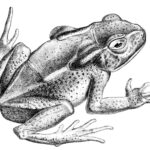
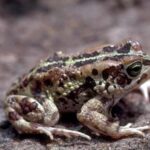
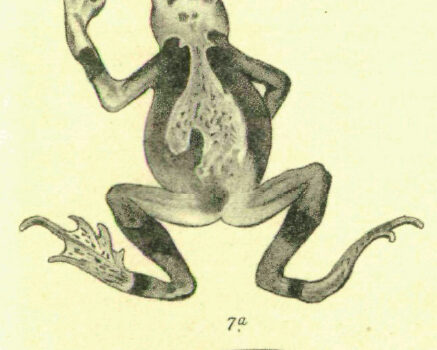
If you were to discover this diminutive toad hopping through leaves or sheltering in damp sand, you’d be treated to one of nature’s most striking displays. Despite typically measuring less than three centimeters (just over an inch) in length, M. montevidensis commands attention. Its smooth yet colorful skin displays an artistic palette—a predominant black dorsal surface mottled dramatically with vivid patches of red, orange, and yellow on its belly and limbs.
These vibrant hues aren’t mere decorative touches; they’re a bold advertisement of toxicity known as aposematic coloration. By visually warning predators of its toxicity, this tiny amphibian exemplifies an evolutionary marvel found throughout the animal kingdom.
Toxicity as an Adaptation#
Melanophryniscus toads, including the Montevideo Redbelly, secrete alkaloid toxins from parotoid glands situated behind their eyes and other smaller glands dispersed across their skin. These toxins deter predators, allowing the diminutive creatures to inhabit open and conspicuously exposed territories without fear. Interestingly, their toxicity arises largely from their diet, as they ingest chemical compounds from ants and small insects, which they subsequently repurpose for self-defense.
Behavior and Life Cycle#
A Life Orchestrated by Rain#
The behavior and life cycle of M. montevidensis revolve closely around Uruguay’s seasonal changes, particularly characterized by rainfall. Short-lived seasonal pools following heavy rains trigger breeding activity and create a brief window for reproduction and larval development.
During these reproductive events, the males congregate around water bodies, filling the night with their melodious yet insistent calls. Their calls—soft rasping sounds punctuated by melodic notes—form a natural symphony beneath moonlit skies. Females, guided by these acoustic signals, approach in search of suitable mates. Courtship proceeds swiftly, and females deposit eggs in shallow clusters attached to submerged vegetation or rocks.
From Tadpole to Toad#
Eggs hatch rapidly, typically within just a few days, transforming idyllic pools into thriving tadpole habitats. Montevideo Redbelly tadpoles possess specialized morphological adaptations, enabling them to thrive in these ephemeral aquatic environments. They grow quickly, feeding avidly to complete their growth as efficiently as possible—a necessity in temporary wetlands that may disappear within weeks.
Metamorphosis occurs rapidly. Within about a month, tadpoles undergo a dramatic transformation, trading their aquatic gills and finned tails for limbs and lungs designed for terrestrial life. Tiny newly metamorphosed toadlets leave the water en masse, venturing into the leafy labyrinth of their coastal home, embarking upon the terrestrial stage of their lives.
Ecological Role#
Despite their small size, Montevideo Redbelly Toads emerge as crucial players in their coastal ecosystems. As predators, they help regulate populations of ants, termites, mites, and other small invertebrates, promoting ecological balance. Conversely, by serving as prey—albeit a dangerous morsel due to their toxins—for certain snakes, birds, and mammals that have evolved specialized tolerance, these toads link multiple trophic layers together, strengthening the ecosystem integrity.
Moreover, their roles as bioindicators—species whose presence, abundance, and health provide valuable data about environmental conditions—cannot be underestimated. The health and stability of amphibian populations, including M. montevidensis, provide insights into broader environmental issues such as pollution, climate change, and habitat fragmentation.
Threats and Conservation Status#
Despite their ecological importance, M. montevidensis faces significant conservation concerns. The International Union for Conservation of Nature (IUCN) lists this species as Vulnerable, indicating mounting threats.
Habitat loss due to coastal development, urbanization, agriculture, and tourism represents a primary concern. Coastal dunes and associated wetlands face degradation and increasing fragmentation, isolating small populations and reducing genetic diversity. Pollution from urban runoff and agricultural chemicals further compounds these challenges, adversely impacting breeding areas and larval development.
Climate change exacerbates droughts, irregular rainfall, and changing coastal dynamics. For an amphibian highly dependent on freshwater availability, such shifts pose real existential threats. Consequently, conservationists in Uruguay have begun targeted actions—habitat protection, ecological restoration initiatives, captive breeding programs, and educational outreach—to preserve this charismatic and vital amphibian.
Cultural and Scientific Significance#
Culturally, M. montevidensis represents a symbol of Uruguay’s unique biodiversity heritage, particularly in coastal communities. Its vibrant colors feature prominently in local artwork, conservation campaigns, and ecological education programs, engendering pride and appreciation among residents and tourists alike.
Scientifically, it continues to excite researchers interested in alkaloid toxins, conservation ecology, and terrestrial adaptation of amphibians. Insights gleaned from studying these toads could lead to crucial medical or pharmacological applications, as amphibian-derived compounds often do.
Conclusion: Preserving a Tiny Treasure#
Exploring the life of Melanophryniscus montevidensis reveals much more than mere natural history—it highlights nature’s intricate tapestry, revealing lessons about resilience, diversity, and interconnectedness. Preserving this fascinating species and its habitat remains critical not only for biodiversity but as a testament to our dedication to safeguarding nature’s delicate masterpieces.
Let us recognize, celebrate, and protect these vibrant little ambassadors. Your interest, voice, and actions can help ensure the continued existence of one of Uruguay’s—and indeed the world’s—most charming amphibian gems.