- Introduction: A Jewel of the Amphibian World
- Taxonomy and Classification of Melanophryniscus klappenbachi
- Natural Habitat: A Symphony of Moisture and Life
- Physical Characteristics: The Art of Survival in Vivid Detail
- Behavior and Life Cycle: Tiny Lives with Rich Stories
- The Ecological Role: Small but Significant
- Threats and Conservation Status: Fragile Beauty Under Threat
- Cultural and Scientific Significance: Symbols and Sentinels
- Conclusion: Celebrating and Protecting Melanophryniscus klappenbachi
Introduction: A Jewel of the Amphibian World#
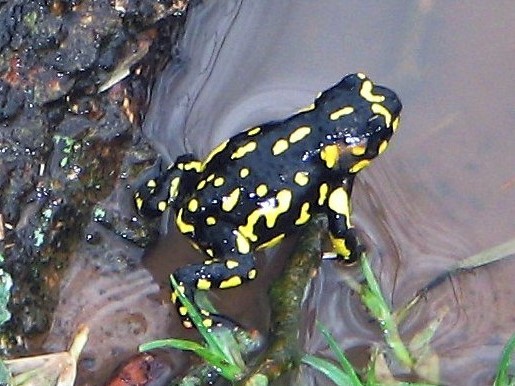
Nestled among leaves wet with morning dew in the dense subtropical forests of South America, a small amphibian exhibits colors vibrant enough to compete with tropical flowers. The Redbelly Toad, scientifically known as Melanophryniscus klappenbachi, is an exquisite creature that instantly captures the observer’s fascination, painted in breathtaking contrasts of black, red, orange, and even golden yellow. Yet beneath this striking exterior lies a complex organism vital to its ecosystem, embodying the intricate connections between amphibians and their habitat.
A member of the Bufonidae family, commonly known as true toads, Melanophryniscus klappenbachi carries a unique blend of beauty and biological intrigue. This tiny toad has become not only a focus of scientific curiosity but also a compelling representative of conservation efforts aimed at protecting its delicate habitat. But what truly makes this amphibian stand out? To understand this, we venture deep into its world, where vibrant colors hide secrets of biology, behavior, and survival.
Taxonomy and Classification of Melanophryniscus klappenbachi#
First described by renowned herpetologist José Miguel Cei in 1960, Melanophryniscus klappenbachi belongs to the Bufonidae family, within the genus Melanophryniscus. Commonly referred to as the Redbelly Toad, the genus Melanophryniscus encompasses a group of small and brightly colored toads renowned for their aposematic (warning) coloration and toxic skin secretions.
The eponym “klappenbachi” honors the distinguished zoologist and naturalist Martin Eduardo Klappenbach from Uruguay, who made substantial contributions to South American biodiversity studies. Closely related species within this genus share similar flamboyant features, each adapted uniquely to their specific environmental niches.
Natural Habitat: A Symphony of Moisture and Life#
To truly understand the essence of Melanophryniscus klappenbachi, we journey into the lush forested landscapes of Northern Argentina, Southern Brazil, Paraguay, and Uruguay. Here, these tiny toads flourish amidst humid subtropical forests, flooded grasslands, and wetland edges, thriving in delicate ecosystems reliant upon stable moisture patterns and pristine environmental conditions.
One distinctive hallmark of its preferred habitat is temporary or ephemeral pools formed by seasonal rains. Alongside leaf-littered forest floors, these pools provide crucial breeding sites for this species, allowing eggs and tadpoles to develop safely away from larger aquatic predators typically present in permanent water bodies.
Microhabitat Preferences#
These diminutive amphibians frequently shelter beneath leaf litter, logs, or rocks, cleverly hidden from sight yet always alert to the slightest movement or vibration. Their vividly painted skin demonstrates an evolutionary partnership with the surrounding habitat—colors serving as warnings to predators of underlying toxins and defensive chemicals.
The reliance of Melanophryniscus klappenbachi on these specialized habitats underscores the species’ importance as indicators of habitat integrity and environmental health. Subtle changes in climate, rainfall patterns, or plant communities strongly affect their survival prospects, making them key biological sentinels in these ecosystems.
Physical Characteristics: The Art of Survival in Vivid Detail#
Measuring merely 20-25 millimeters in length, the Redbelly Toad’s stature belies its complex adaptations. The skin, glistening in humidity, vividly displays contrasting blacks against brilliant reds, oranges, and golden yellows. These vibrant hues serve a clear evolutionary purpose—warning coloration, or aposematism—signaling to predators that the amphibian harbors toxic chemicals and is not worth the risk of consumption.
The underside of Melanophryniscus klappenbachi reveals a bright, often fiery red or orange belly, from which their common English name originates. Their small size and rounded bodies allow efficient water retention, essential for terrestrial amphibians residing in climates subject to periodic dryness or fluctuating humidity levels.
Bumps called parotoid glands located near their shoulders produce and store poisons known as alkaloids, compounds acquired mainly through their dietary habits. These chemical weapons not only protect the individual but also deter potential predators, creating a fascinating defensive arms race within their ecological community.
Behavior and Life Cycle: Tiny Lives with Rich Stories#
Observing a community of these amphibians in their natural habitat is akin to witnessing an intimate ecological drama. Although primarily terrestrial, their annual reproductive cycle embraces aquatic habitats, specifically temporary ponds resulting from seasonal rainfall.
As rains replenish ephemeral waters, males gather around pools, producing distinct melodic trills and clicks—a chorus designed to attract females. These vocalizations resonate through humid evenings, a subtle yet profound narrative of life unfolding beneath leafy canopies.
A Seasonal Courtship and Parenthood#
Female M. klappenbachi select breeding sites carefully, evaluating humidity, sunlight exposure, and presence of predators. After mating, eggs are laid in clusters within shallow water, embarking on their delicate developmental journey. The rapid life cycle helps tadpoles metamorphose quickly into terrestrial form before these pools dry up during dry spells.
The newly transformed juveniles soon begin foraging for ants, mites, and small insects, accumulating alkaloids from prey organisms—compounds which will later become essential in their defense mechanisms.
The Ecological Role: Small but Significant#
Despite their modest physical size, Redbelly Toads exert considerable ecological influence. Their consumption of insects, particularly ants and termites, helps regulate pest populations, maintaining ecological balance within their habitats.
Simultaneously, their own predators—such as birds, snakes, and larger amphibians—must navigate around their toxic defenses, adding complexity to the food web. Thus, these amphibians not only regulate prey populations but also influence predator-prey dynamics significantly within their ecosystem.
Threats and Conservation Status: Fragile Beauty Under Threat#
Although classified as “Least Concern” by the International Union for Conservation of Nature (IUCN), the steadily declining quality of resources and habitats poses genuine threats. Habitat loss from deforestation, agricultural expansion, urban development, and climate change complicate the preservation of these amphibians’ delicate environments.
Further threats include contamination of water bodies via agricultural runoff or pesticides, adversely affecting reproductive success and survivability. Conservation initiatives thus focus on safeguarding habitats, creating protected areas, and raising awareness of the ecological significance of amphibians like Melanophryniscus klappenbachi.
Cultural and Scientific Significance: Symbols and Sentinels#
In indigenous and local cultures within South America, many amphibians symbolize transformation, renewal, and environmental harmony. Though not extensively documented culturally, species like M. klappenbachi represent tangible indicators of ecological health, mirroring the ancient theme of amphibians as harbingers of change or transformation.
Scientifically, these amphibians are noteworthy for studies in biochemical toxins, ecological health assessments, and climate impact research. They function as bio-indicator species, serving as early warnings for habitat degradation, pollution, or climate-related stressors.
Conclusion: Celebrating and Protecting Melanophryniscus klappenbachi#
The story of Melanophryniscus klappenbachi symbolizes the subtle yet profound interconnections binding living organisms, habitats, cultures, and scientific discovery. To fully safeguard this species is to protect an intricate tapestry of ecological interactions stretching far beyond this vibrant amphibian.
By becoming informed advocates, we can collectively ensure that future generations may also experience the wonder of this tiny, colorful ambassador of biodiversity. Let us continue creating awareness, supporting conservation, and championing the protection of habitats worldwide, inspired by the humble yet unforgettable presence of Melanophryniscus klappenbachi.