Melanophryniscus dorsalis: The Vibrant Jewel of South America’s Grasslands#
The grasslands of South America are alive with secrets. Beneath the whispering blades of grass and amidst clusters of fragrant shrubs, countless creatures move unseen, each vital to the delicate tapestry of these diverse ecosystems. Among these hidden gems is a particularly beautiful amphibian, a tiny frog whose very name conjures images of color, mystery, and delicate balance: the Melanophryniscus dorsalis.
Known commonly as the Redbelly Toad, this remarkable amphibian belongs to a fascinating group of colorful, small-bodied frogs that stand as vibrant, living masterpieces in the tapestry of biodiversity. Within its diminutive form, Melanophryniscus dorsalis harbors intriguing adaptations, rich ecological importance, and pressing conservation implications.
Yet, despite its striking appearance and ecological significance, Melanophryniscus dorsalis remains relatively unknown outside biological circles. In a world increasingly attentive to charismatic megafauna, small amphibians often slip unnoticed beneath our radar, their quiet, steady existence overshadowed by larger creatures. And that’s precisely why it’s essential to shine a light upon this spectacular species—to ensure awareness and conservation measures grow strong before its subtle presence is quietly diminished.
Taxonomy and Classification#
Melanophryniscus dorsalis is a member of the Bufonidae family, often colloquially known as “true toads,” although its vibrant coloration and habits differentiate it significantly from typical northern hemisphere toads. Within the genus Melanophryniscus, this species stands out due to distinct morphological characteristics and a particularly vivid color pattern.
Described scientifically for the first time by Mertens in 1933, Melanophryniscus dorsalis shares its genus with around 30 recognized species. Relatively small, brightly colored, and often endemic to specific biomes, these frogs are classic examples of South American amphibian diversity. Genetic analyses have allowed herpetologists to deepen their understanding of this genus, positioning M. dorsalis closely with species that share similar habitats and ecological niches.
Natural Habitat#
Imagine the sun-drenched grasslands and scattered wetlands that stretch across subtropical and temperate regions, characterized by sandy soils, low vegetation, seasonal pools, and quiet brooks that shimmer under South America’s skies. These tranquil settings form the preferred home for Melanophryniscus dorsalis. Predominantly found in coastal and riverine grasslands within Brazil and portions of Uruguay, this amphibian is closely associated with Atlantic Forest remnants and the surrounding open grassland environment that thrives in this unique zone.
These frogs prefer microhabitats with abundant leaf litter, small aquatic bodies formed during rainy spells, and lush ground cover offering protection from their numerous predators. Melanophryniscus dorsalis thrives primarily at lower altitudes, where regular rainfall sustains their breeding sites and cultivates the diversity of insects upon which they prey.
The fine balance of humidity and temperature in their grassland habitat is crucial: too dry, and the amphibians risk desiccation; too wet for too long, and vegetation patterns alter, reducing suitable sites for reproduction. The connectivity between small ephemeral pools, humid forests, brushland patches, and open grassland corridors supports their survival, underscoring the need for integrated habitat management and conservation planning.
Physical Characteristics#
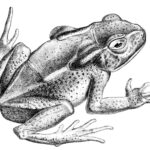
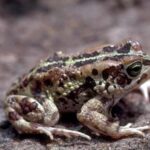
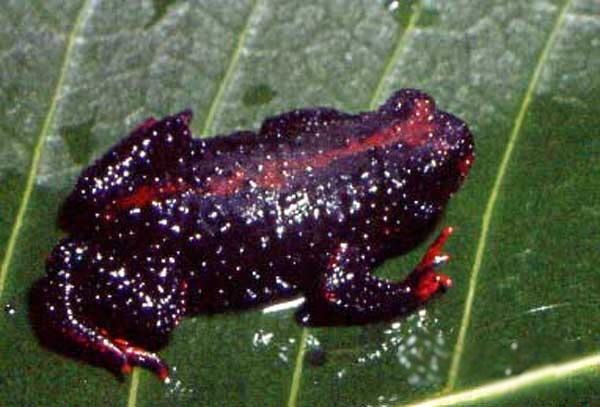
The bold beauty of Melanophryniscus dorsalis immediately draws attention. Typically small, adults range from just 20 to 30 millimeters in length. But what they lack in size, they compensate for remarkably in visual impact. Their dorsal coloration—deep black mottled with vibrant patterns of orange, red, and yellow markings—makes them comparable to living jewels nestled among the green tapestry of their environment. Each frog showcases a unique mosaic-like pattern, making each individual distinctive, much like fingerprints in humans.
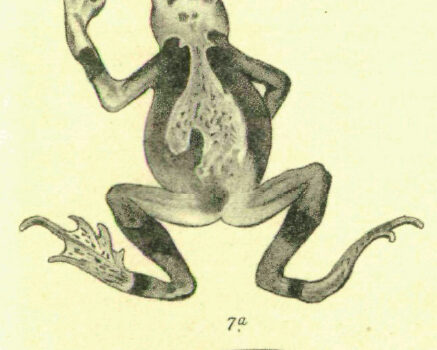
The underside is as vivid as their backs, painted astonishingly in hues of bright red and orange, hence the name “Redbelly Toad.” This striking coloration serves as aposematic—or warning—display, sending a clear message to potential predators of their potent toxicity. Their skin contains toxins secreted from specialized glands, resulting in a formidable defense system. Predators quickly learn that attempting to ingest these frogs is an unwise decision, ensuring that the amphibians’ vibrant colors become synonymous with danger throughout the habitat they share.
Behavior and Life Cycle#
Feeding and Foraging Patterns#
The life of Melanophryniscus dorsalis revolves significantly around their appetite for insects and small invertebrates. They adopt an ambush strategy, remaining almost motionless for long periods until unsuspecting prey crosses their path, then quickly lunging forward to capture a meal using their sticky, skilled tongues.
Breeding Rituals and Reproduction#
The rhythm of rain orchestrates the breeding life of Melanophryniscus dorsalis. As seasonal showers fill ephemeral ponds, eager males congregate, emitting soft yet persistent calls to attract females. These melodic choruses resonate across grassland pools, marking the beginning of the breeding cycle. Females, drawn by these alluring serenades, select mates based on location, strength, and vigor of call—a critical aspect of natural selection that ensures robust offspring.
Egg-laying occurs directly in shallow, temporary pools. Females deposit their eggs in clusters that quickly adhere to underwater vegetation. Tadpoles, upon hatching, develop swiftly, keenly adapted to their unstable aquatic habitat. They metamorphose quickly, transitioning from water-dwelling larvae to terrestrial juveniles who venture forth into the grassy meadows, ready to carry forward the vibrant legacy of their parents.
Ecological Role#
The presence of Melanophryniscus dorsalis within the ecosystem indicates habitat health, acting as a new-age ‘canary in the coal mine,’ allowing biologists to track the effects of climate change, habitat destruction, and environmental disturbance. Additionally, this amphibian plays a crucial role in controlling insect populations, feeding on small invertebrates, and simultaneously serving as prey to snakes, birds, and mammals brave or naive enough to overcome their toxic defense.
The mutual relationship between predator and prey within their ecosystem fosters a balance that permits biodiversity to flourish. Interconnected habitats, like grasslands and wetlands, rely upon species like Melanophryniscus dorsalis for maintaining healthy insect populations, deterring swarms that could disrupt plant ecosystems and agricultural areas alike.
Threats and Conservation Status#
Like many small amphibians, Melanophryniscus dorsalis faces a myriad of threats. Habitat fragmentation and loss owing to agriculture, urbanization, and infrastructure expansion remain primary concerns. Degradation and pollution of wetlands and breeding ponds threaten the very essence of these frogs’ reproductive success. Climate change exacerbates these conditions, altering rainfall patterns and reducing the availability of suitable habitats.
The IUCN currently classifies Melanophryniscus dorsalis as “Vulnerable,” highlighting the species’ pressing conservation needs. Conservationists advocate increased attention to protecting grasslands and ephemeral wetlands, rigorous monitoring programs, and comprehensive educational campaigns involving local communities to appreciate and safeguard these tiny yet vitally significant creatures.
Cultural and Scientific Significance#
Within traditional cultural contexts, Melanophryniscus species often bear symbolic meanings, embodying profound connections between humans and nature. Local folklore sometimes speaks of boldly colored frogs as harbingers, warning animals, or even symbols of equilibrium between life-giving water sources and life-taking drought periods.
In scientific circles, the intriguing chemical defense mechanisms of Melanophryniscus dorsalis prompt ongoing pharmacological research—in particular, the exploration of their skin toxins for potential medicinal applications holds unique promise for human benefit. Studying these frogs provides vital insights into amphibian evolution, ecology, and biodiversity, as well as ways to combat emerging threats affecting amphibian populations worldwide.
Conclusion: Protecting a Small Jewel Among Giants#
Bemused, small, yet undeniably significant, Melanophryniscus dorsalis symbolizes the quiet wonder inherent within nature. Their vibrant markings, complex behavior patterns, and essential role within their ecosystem demand acknowledgment not just from scientists but from wider society.
As we navigate a changing climate and pressing environmental challenges, recognizing the value of lesser-known species becomes more important than ever. The survival of Melanophryniscus dorsalis can tell us much about the health of our planet’s ecosystems, serving as both indicator and messenger.
It is upon us, stewards of the natural world, to champion these tiny, fragile beings, ensuring that ecosystems rich with life, detail, and wonder persist well into future generations. Let us join our voices and actions to preserve not merely a species, but the spectacular harmony of life itself.