- Exploring Werneria submontana: Secrets of a Lesser-Known Mountain Frog
- Taxonomy and Classification
- The Natural Habitat of Werneria submontana
- Physical Characteristics: Unobtrusive Beauty
- Behavior and Life Cycle
- The Ecological Role of Werneria submontana
- Threats to Survival and Conservation Efforts
- Cultural and Scientific Significance
- Conclusion: Protecting a Hidden Mountain Gem
Exploring Werneria submontana: Secrets of a Lesser-Known Mountain Frog#
Hidden beneath verdant layers of tropical forest, within the misted heights and echoing sounds of African mountains, lives a frog whose existence whispers stories of delicate ecological balance and the intimate rhythm of nature itself. Meet Werneria submontana, a frog species seldom known yet deeply intertwined with the mountainous landscapes it calls home.
Though small and often understated compared to more flamboyant tropical frogs, Werneria submontana represents the subtle richness of biodiversity hidden within Central Africa’s forested highlands. In a world captivated by charismatic megafauna and vibrant avian displays, this modest amphibian quietly persists, exemplifying the wonder of evolutionary adaptation and ecological interconnectedness. But what makes Werneria submontana truly fascinating? Let’s unravel its unique story, one intriguing fact at a time.
Taxonomy and Classification#
Before diving deep into the misty mountains where this unusual amphibian dwells, let’s first understand where Werneria submontana fits within the global tapestry of frogs. Scientifically classified within the family Bufonidae—often familiar to us as the true toads—this frog belongs specifically to the genus Werneria, a collection of species uniquely adapted for life in elevated, damp habitats.
The species name, submontana, gives us our first clue about its preferred habitat; translated roughly from Latin, it signifies life “beneath mountains” or in lower mountain elevations. Closely related species, such as Werneria bambutensis and Werneria mertensiana, share these highland habitats, forming an intriguing group of amphibians finely attuned to specialized montane ecosystems.
The Natural Habitat of Werneria submontana#
Geographic Range and Distribution#
Werneria submontana thrives in the lush, subtropical montane regions of Central Africa—most notably Cameroon’s highlands. Specifically, these frogs can be found along the Cameroon Volcanic Line, a region characterized by a chain of ancient, mist-shrouded volcanoes, densely covered in cloud forests and threaded with clear mountain streams. These areas, situated typically between elevations of 800 to 1,200 meters, create the ideal moisture-rich environment essential to the species’ survival.
Due to their specialized habitat requirements, these frogs exhibit a highly selective geographic distribution. They are rarely found outside the protective embrace of mid-elevation montane forests, preferring areas where heavy rainfall, moderate temperatures, and abundant vegetation prevail year-round.
Habitat Preferences and Micro-environments#
Stepping quietly through Werneria submontana’s natural habitat, one discovers why these frogs are so expertly adapted to their subtropical mountain homes. Thick moss carpets tree trunks and rocks, and the dense canopy overhead filters sunlight into muted shades of green. The forest floor remains continually damp from frequent mists and rains, sustaining the perfect moisture level for amphibian skin respiration.
The presence of small mountain streams and freshwater seepages is vital—forming pools and shallow water sources where the frogs congregate, breed, and develop. Fern-covered gullies, leaf-strewn banks, and flowing waters craft an idyllic backdrop suitable for a life intricately woven into this humid ecosystem. Werneria submontana rarely ventures far from these aquatic havens, demonstrating the species’ exceptional reliance on these micro-habitats.
Physical Characteristics: Unobtrusive Beauty#
Appearance and Morphology#
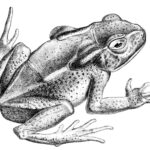
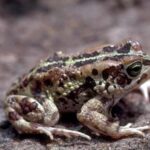
At first glance, Werneria submontana might seem quite ordinary among frogs. Adults typically measure between 30 to 45 millimeters, placing them squarely within the range of medium-sized amphibians. But it’s the details that reveal their remarkable adaption to mountain life. Their bodies are compact and robust, with relatively short limbs that facilitate careful and agile movement across uneven surfaces of mosses, leaves, and rocks.
The skin is expertly camouflaged to blend seamlessly into the mountain forest floor—a mixture of browns, greens, grays, and subtle earthy shades—adorned with darker patterns and markings that break up the frog’s silhouette. This subtle camouflage is not mere decoration; it ensures survival by hiding Werneria submontana from keen-eyed predators such as birds and snakes.
Adaptations to Montane Life#
Further adapting to mountain habitats, the frog’s skin exhibits raised glands and mild granulation, allowing efficient moisture retention and oxygen absorption in high humidity levels. Large, expressive eyes positioned frontally atop the head allow superior visibility through dense foliage and undergrowth, crucial for detecting both predators and prey alike. This important visual adaptation ensures Werneria submontana’s success in hunting small invertebrates dwelling among the leaf litter.
Behavior and Life Cycle#
Feeding and Foraging Habits#
A keen-eyed observer exploring Cameroon’s mountain forests at night could witness Werneria submontana embarking on its nocturnal hunting journeys. Patiently crouched among damp leaves, these agile amphibians feed primarily on small insects, spiders, and ants, utilizing their sticky tongues to snatch prey in the blink of an eye. Their strategic nighttime ventures minimize the risk of predation while maximizing their food-finding efficiency.
These frogs showcase an ambush-based hunting strategy, utilizing their impeccable camouflage and stealthy demeanor to surprise passing prey. Observers often note the frogs’ careful, deliberate movements as they navigate foliage and forest litter—a true testament to their specialized adaptations.
Reproductive Behaviors and Parental Care#
Come rainy season, the forest echoes with soft, delicate mating calls. Male Werneria submontana utilize various chorus sites along streams, perching on small rocks or damp vegetation to entice potential mates. The calls—low-pitched croaks punctuated by melodic trills—ring gently, announcing courtship intentions to nearby females.
Reproduction occurs in shallow pools or slow-moving streams, where gelatinous egg clutches containing numerous tiny eggs are meticulously deposited. Tadpoles, once hatched, remain strictly aquatic for several weeks, feeding on microalgae, plankton, and detritus until metamorphosing into miniature, land-bound froglets. Intriguingly, parental care beyond this reproductive strategy is minimal—yet the selective choice of egg-laying sites ensures a high survival rate within the sheltered montane habitats.
The Ecological Role of Werneria submontana#
Small as it is, Werneria submontana plays a substantial role within the montane forest ecosystems. As both a predator of smaller invertebrates and prey to larger animals such as birds, snakes, and larger mammals, this modest amphibian contributes significantly to the food web. Its presence and abundance often serve as ecological indicators, highlighting the health of its fragile mountain environment.
Moreover, Werneria submontana aids in controlling insect populations, often curbing population explosions of small invasive species—thereby maintaining ecological balance. Thus, protecting this humble amphibian means safeguarding the entire ecosystem integrity of Cameroon’s cloud-covered mountains.
Threats to Survival and Conservation Efforts#
Despite its ecological importance, Werneria submontana faces severe threats to its continued existence. Habitat fragmentation stemming from expanding agriculture, logging activities, and human settlements threatens these frogs with loss of breeding sites, diminished prey availability, and exposure to invasive species and diseases, including chytridiomycosis. Climate change further exacerbates already fragile mountain ecosystems, shifting precipitation patterns and temperatures out of preferred survival ranges of these frogs.
As a result, the International Union for Conservation of Nature (IUCN) currently classifies Werneria submontana as “Critically Endangered”—a potent reminder that these unnoticed creatures urgently require conservation focus.
An increased emphasis on habitat protection, community-based resource management, and targeted monitoring programs offers potential rescue pathways. Conservationists stress habitat preservation and restoration as key to safeguarding Werneria submontana populations.
Cultural and Scientific Significance#
Though not as culturally prominent as more colorful tropical amphibians, Werneria submontana bears significant scientific importance as an indicator species, reflecting the environmental stability of Cameroon’s cloud forests. Studies on their behavior, adaptation, and reproduction enrich scientific understanding of evolutionary biology, climate resilience, and ecosystem health within mountain habitats.
Conclusion: Protecting a Hidden Mountain Gem#
The quiet existence of Werneria submontana, modest and unobtrusive, belies the crucial ecological role it plays. Its story intertwines intimately with its mountain home, serving as a reminder of biodiversity’s subtle wonders—and the urgent necessity of our commitment to conservation. As guardians of our planet’s delicate tapestry of life, we share responsibility for these hidden gems. Advocating habitat protection, supporting conservation efforts, and expanding our knowledge solidifies our alliance with nature, ensuring Werneria submontana—and countless other quiet wonders—continue lounging beneath the mist-laden mountain canopy.