- Nymphargus pijao: The Enigmatic Glass Frog of Colombia's Misty Forests
- Taxonomy and Classification: Where Does Nymphargus pijao Belong?
- Natural Habitat: Life Amid Colombia's Cloud-Drenched Mountains
- Physical Characteristics: A Beautifully Adapted Survivalist
- Behavior and Life Cycle: Navigating Life Amid Forest Shadows and Streams
- Ecological Importance: Guardians of Ecosystem Balance
- Threats and Conservation Status: An Amphibian Under Siege
- Cultural and Scientific Significance: Inspiring Conservation through Wonder
- Conclusion: Protecting the Translucent Jewel of Colombia
Nymphargus pijao: The Enigmatic Glass Frog of Colombia’s Misty Forests#
Deep within Colombia’s emerald forests, where heavy mists intertwine gracefully with lush foliage, a tiny, translucent frog clings softly to the leaves above rushing streams. This elusive jewel is none other than the Nymphargus pijao, a delicate wonder of the amphibian world. Named after the Pijao people—indigenous communities that have long lived harmoniously with nature—this exquisite glass frog species is both a marvel of evolutionary adaptation and a subtle yet powerful reminder of our interconnected world.
Though scarcely larger than a coin, Nymphargus pijao captures our fascination with its glass-like underbelly, revealing its delicate internal organs, heartbeat, and subtle biological rhythm to keen observers. This ethereal amphibian is not merely an organism of ecological significance; it embodies the delicate balance of life in one of Earth’s richest biodiversity hotspots.
Taxonomy and Classification: Where Does Nymphargus pijao Belong?#
Nymphargus pijao belongs to the family Centrolenidae, famously known as “glass frogs,” which consist of small, translucent amphibians closely associated with freshwater streams across Central and South America. Within this intriguing family, the genus Nymphargus, to which our featured species belongs, comprises frogs found primarily throughout the Andean region, distinguishing them from other lowland dwelling relatives.
Initially described scientifically in 1996, Nymphargus pijao was recognized among herpetologists as distinct due to specific morphological features, vocalizations, and geographic isolation. Its closest relatives, such as Nymphargus griffithsi and Nymphargus grandisonae, share overlapping range areas, yet subtle distinctions in habitat preference, calls, and reproductive behavior set these species apart, showcasing the evolutionary nuances that nature artfully employs.
Natural Habitat: Life Amid Colombia’s Cloud-Drenched Mountains#
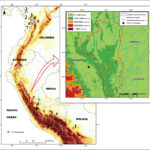
Nestled in Colombia’s central Andes mountain range, bridging both tropical and subtropical elevations, the habitat of Nymphargus pijao is nothing short of magical. Shrouded frequently in mist, these vibrant yet challenging terrains offer conditions uniquely suited to the lifecycle of this remarkable frog. Found primarily between altitudes of approximately 1,800 to 2,300 meters above sea level, the species thrives in the cloud forests’ humid coolness—an environment rich in moss-draped trees, sparkling streams, and dense, moisture-laden vegetation.
The frog’s life intricately revolves around pristine freshwater ecosystems. Slow-moving streams with crystal-clear waters lined by broad-leafed plants become ideal breeding grounds. These specially adapted plants act as nurseries, with foliage gently arching over streams, providing critical sites for egg-laying and tadpole development. Such specificity highlights just how finely-tuned this species is to its natural surroundings, relying on subtle shifts within the forest’s microclimate to guide its behaviors.
Interactions Within a Complex Ecosystem#
Understanding the presence and behavior of Nymphargus pijao reveals much about the overall health of its ecosystem. Glass frogs, like many amphibians, are considered essential biological indicators; their exquisite sensitivity helps scientists gauge habitat purity and monitor changes within their fragile environments. Thus, the existence—and potential absence—of this particular species provides researchers with valuable insights into the larger forest condition, making them indispensable allies in conservation monitoring efforts.
Physical Characteristics: A Beautifully Adapted Survivalist#
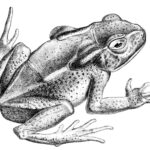
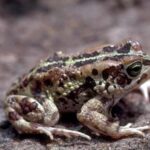
Encapsulating perfect evolutionary artistry, Nymphargus pijao embodies the delicate beauty reminiscent of fine glassware. Adults typically measure only 20–25 millimeters (around 1 inch), making their intricate beauty even more astounding to behold. Seen from above, their vibrant, emerald-green dorsum helps them melt seamlessly into lush forest leaves, illuminated occasionally by subtle gold specks enhancing their camouflage. However, it’s the ventral surface where their identity as glass frogs truly shines—their translucent skin offering an astonishing view into the delicate workings of their internal organs.
This translucency serves as more than visual intrigue; it is a cleverly developed adaptation for evasion from predators. By reducing solid pigmentation beneath, these frogs practically vanish against leaves, sunlight streaming through their delicate bodies, obscuring them from birds, arboreal snakes, and other keen-eyed predators. Such outstanding camouflage epitomizes nature’s elegance in balancing beauty with functionality.
Behavior and Life Cycle: Navigating Life Amid Forest Shadows and Streams#
Nymphargus pijao maintains a predominantly nocturnal lifestyle, emerging from the leafy concealment at dusk. Male frogs position themselves strategically along vegetation near streams, touting their presence with concise yet resonant mating calls—a gentle chorus that punctuates the forest darkness, attracting females to their carefully chosen arenas.
Elegant Courtship Amid Verdant Canopies#
Upon arrival, attentive females select males based on call sophistication, volume, and particular traits—criteria honed by evolutionary needs. Following a meticulous selection process, the female gently lays clusters of gelatinous eggs on the underside of leaves overhanging streams. Remarkably, males showcase a commendable degree of parental diligence, guarding the eggs against predators and moisture fluctuations to maximize survival and hatch success rates.
Tadpoles hatch after approximately 7–14 days, plunging into the streams below. Embarking on their aquatic adventure, these translucent larvae navigate their freshwater realms, feeding predominantly on tiny algae and organic debris that carpet the streams’ floors. Within weeks, tadpoles undergo astonishing transformations, growing limbs, losing their tails, and gradually developing pigmentation reflective of their future arboreal home.
Ecological Importance: Guardians of Ecosystem Balance#
Though diminutive in size, Nymphargus pijao profoundly contributes to ecological dynamics, playing multi-faceted roles within forest ecosystems. Their tadpoles actively contribute to nutrient cycling, aiding in stream ecosystem maintenance by processing organic materials and keeping algae growth in balance. Adults, meanwhile, are equally pivotal—serving as key insect predators, managing insect populations, and in turn providing nourishment to predators higher up the ecological hierarchy.
In this web of rainforest life, glass frogs illustrate the interconnected tapestry that defines healthy ecosystems. Their absence invariably signals disturbances, making their protection vital not just for amphibian enthusiasts but to anyone who values the health and biodiversity of these spurting ecosystems.
Threats and Conservation Status: An Amphibian Under Siege#
Despite their adaptability and subtlety, Nymphargus pijao faces growing environmental threats. Habitat destruction, intensified by expanding agriculture and human settlements, infringes steadily upon its pristine upland habitats. Logging leads to fragmentation, disturbing delicately balanced microclimates required by glass frogs, while pollution exposes sensitive larvae and adults to harmful chemicals. Further exacerbating these threats, climate change undermines stability within their fragile cloud forest homes by altering rainfall patterns, increasing drought severity, and shifting mist dynamics.
Recognizing these concerns, conservationists have classified Nymphargus pijao as “Near Threatened” according to the International Union for Conservation of Nature (IUCN). Committed scientists, non-governmental organizations, and local communities now tirelessly work together to document populations, protect habitats, and educate surrounding populations about coexistence and sustainability.
Cultural and Scientific Significance: Inspiring Conservation through Wonder#
In honoring the indigenous Pijao people within their scientific denomination, the researchers paid tribute to traditional ecological wisdom deep-seated in indigenous beliefs. The presence of creatures like Nymphargus pijao illustrates ancient teachings that reinforce respectful coexistence with nature, where all life forms are interdependent and sacred.
From a scientific perspective, glass frogs significantly aid research into evolutionary biology, physiology, and environmental health indicators. Their unique physical adaptations—translucency, reproductive behaviors, sensitivity to environmental changes—yield discoveries advancing medical and ecological sciences, ultimately contributing toward a deeper understanding of our complex natural world.
Conclusion: Protecting the Translucent Jewel of Colombia#
With its remarkable beauty, intricate behavior, and essential ecological roles, Nymphargus pijao offers us an opportunity to deepen our connection to life’s astounding diversity. Yet, this life form depends heavily on our collective action and awareness. As stewards of Earth’s incredible biodiversity, our choices reverberate through fragile ecosystems such as these mist-enshrined Colombian forests.
By pledging support for conservation, engaging in educational endeavors, and acknowledging the value inherent in species like Nymphargus pijao, we become vital partners in safeguarding the delicate threads binding our shared ecological heritage. Ultimately, protecting this tiny, translucent marvel secures a healthier environment—not just for amphibians but for all of life, including future human generations who deserve to inherit an unspoiled world of wonder.