- Secrets of the Valdivian Forest: Discovering the Enigmatic Telmatobufo venustus Frog
- Taxonomy and Classification: A Frog in a Remarkable Family
- Natural Habitat: A Rainforest Beauty Hidden in Plain Sight
- Physical Characteristics: A Stunningly Beautiful Amphibian Gem
- Behavior and Life Cycle: Elusive Shadows of the Forest Floor
- Ecological Role: Key Species in a Delicate Forest Balance
- Threats and Conservation Status: Protecting a Vulnerable Beauty
- Cultural and Scientific Significance: More than Just a Beautiful Frog
- Conclusion: A Delicate Beauty Worth Defending
Secrets of the Valdivian Forest: Discovering the Enigmatic Telmatobufo venustus Frog#
Deep within the lush, temperate rainforest valleys of southern Chile exists an elusive amphibian, steeped in mystery and scientific curiosity. The Telmatobufo venustus, a delicate yet fascinating frog, captures attention not only through its distinctive appearance but also through its unique ecological role within one of the world’s most extraordinary habitats. Known affectionately and simply as the “Chilean beautiful frog,” Telmatobufo venustus presents an intriguing case of specialized adaptation, quiet resilience, and a window into the pristine yet threatened forest ecosystems of the Valdivian rainforest.
A fact that immediately sparks curiosity: despite its exquisite beauty, this frog remains a remarkably shy and seldom-seen creature. Its secretive nature has fascinated researchers and conservationists alike, prompting ongoing quests to better understand its biology, behavior, and place in the delicate balance of life below the forest canopy.
Taxonomy and Classification: A Frog in a Remarkable Family#
Scientifically classified as Telmatobufo venustus, this frog belongs to the family Calyptocephalellidae—a distinctive yet lesser-known lineage of amphibians confined to the temperate rainforests and freshwater habitats of South America. The genus Telmatobufo includes only four known species, each unique and specialized in its own way, and all exclusively endemic to Chile, making them crucial ambassadors for regional biodiversity conservation.
Telmatobufo species have evolved precisely to thrive in the humid, temperature-stabilized microhabitats provided by Chile’s ancient forests. Among its relatives, T. venustus stands out for its striking appearance and exceptionally secretive lifestyle, often making it a challenging yet rewarding species for biologists studying amphibian evolution and ecology.
Natural Habitat: A Rainforest Beauty Hidden in Plain Sight#
Telmatobufo venustus is almost exclusively confined to the temperate rainforest zone of southern Chile—especially within the distinctive and internationally recognized Valdivian forest eco-region. Here lies a habitat characterized by dense foliage, towering evergreen trees draped in layers of moss and lichen, numerous streams and rivers crisscrossing beneath a canopy that filters sunlight into soft, diffuse light. As one steps below the green canopy, the air becomes humid and cool, filled with earthy scents, sounds of trickling water, and calls of unseen wildlife—exactly the preferred habitat of our elusive amphibian friend.
These frogs show strong affinity for streams and small freshwater habitats bordered by thick vegetation, shaded by large, moss-covered trees, and often punctuated by rocky outcrops. This precise habitat preference highlights their sensitivity to environmental alterations, making Telmatobufo venustus a highly reliable indicator species for ecosystem quality and health in these fragile forests. Understanding their habitat requirements informs conservation strategies seeking to maintain the biodiversity and ecological integrity of the Valdivian rainforest.
Physical Characteristics: A Stunningly Beautiful Amphibian Gem#
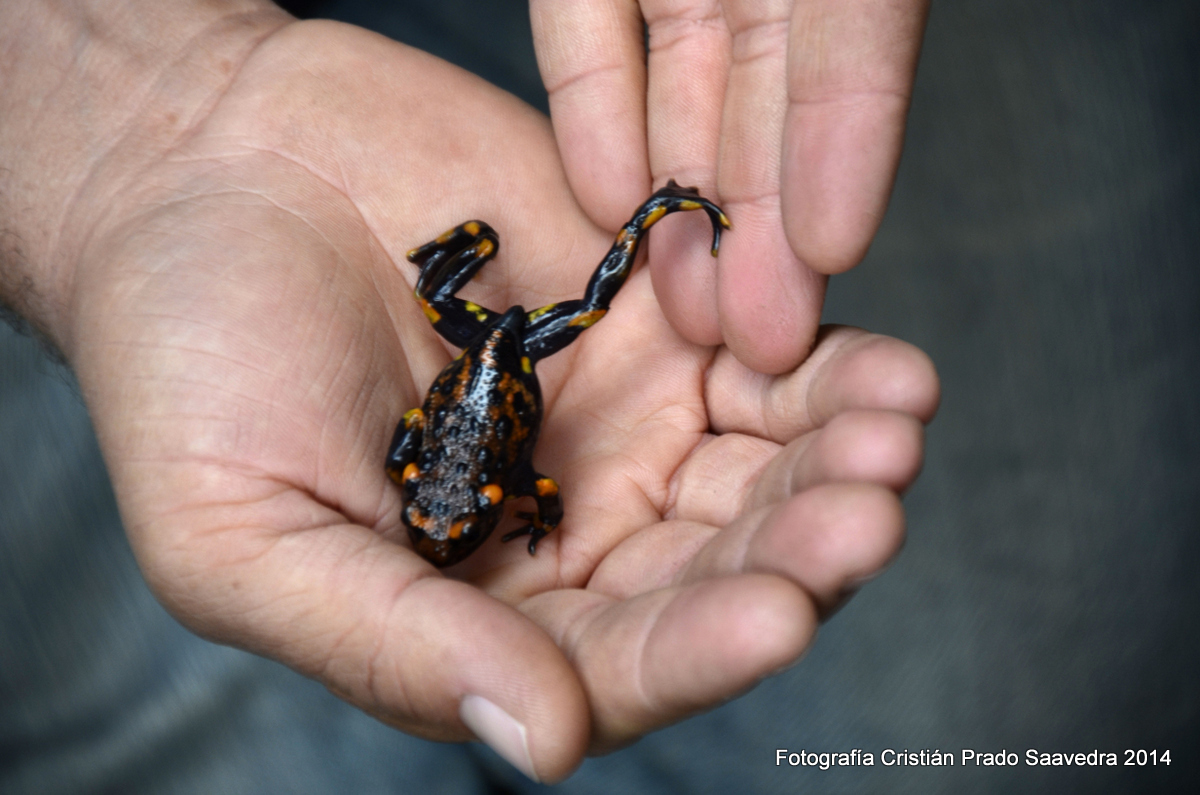
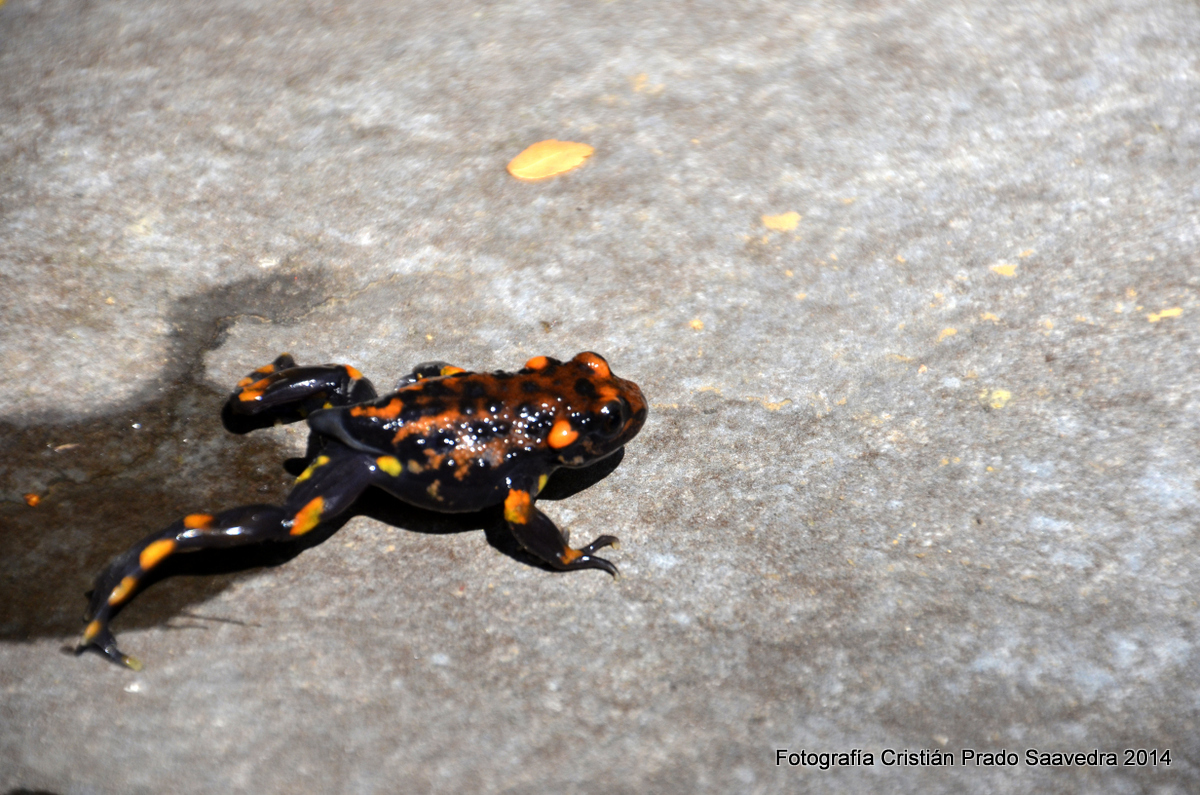
True to its Latin epithet “venustus,” meaning beautiful, Telmatobufo venustus is renowned among amphibian enthusiasts for its striking appearance. A medium-sized frog, adults typically measure around 5 to 6 centimeters long, an ideal size for blending subtly into their surroundings yet substantial enough to capture attention when spotted.
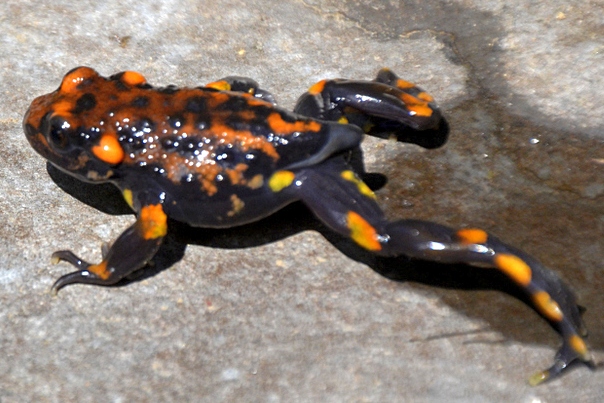
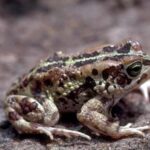
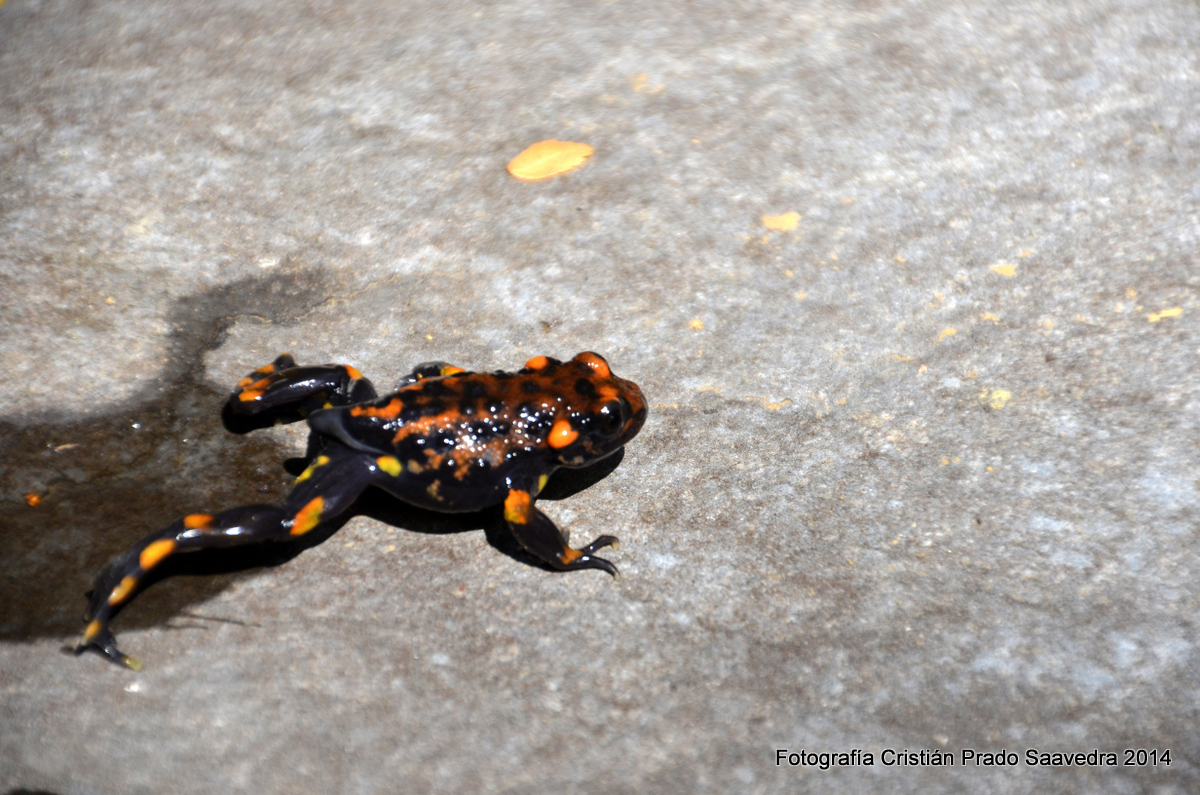
Its coloration is perhaps most exemplary of the species’ beauty. Strong shades of green and brown dominate its smooth skin, interspersed with darker blotches and intricate patterns that resemble scattered autumn leaves on the moist forest floor. The limbs are compact yet muscular, ideal adaptations for leaping through streams and navigating the forest understory. Its eyes are large and expressive—deep amber often subtly accented by gold hues, suggesting an animal finely adapted for spotting prey during low-light conditions. Small granular bumps present across its dorsal surface break up its outline, enhancing effective camouflage crucial to its survival from lurking predators.
These precise colorations and patterns serve a critical ecological purpose—concealing the frog within its environment, protecting it from predators, and allowing patient ambush hunting of small invertebrates along forest streams and damp leaf litter.
Behavior and Life Cycle: Elusive Shadows of the Forest Floor#
Diet and Hunting Strategies#
Telmatobufo venustus is largely insectivorous, feeding on a varied diet of small invertebrates such as beetles, spiders, larvae, and occasionally smaller amphibians. These frogs employ sit-and-wait hunting strategies, using their exceptional camouflage to remain almost invisible among damp, fallen leaves beside forested streams. With a sudden flash of precise movement, they seize unsuspecting prey—a testament to their strategic patience and evolutionary refinement.
Breeding Habits and Tadpole Development#
Breeding typically occurs during wetter seasons when conditions within the Valdivian forest are particularly supportive. Males emit quiet, low-pitched calls that echo gently through the damp forest, signaling to ready females. The mating rituals of Telmatobufo venustus remain somewhat mysterious due to their secretive nature, highlighting the need for further scientific inquiry.
Females deposit eggs in swift-flowing streams, attaching egg masses under submerged rocks where water currents provide vital oxygenation and protection. Tadpoles possess strong sucker-like mouths and streamlined bodies, adapted uniquely for clinging to submerged stones in fast-moving waters. This lifestyle not only protects tadpoles from potential predators but also exposes their remarkable evolutionary adaptations—developed to handle the challenging stream environments within their habitat.
Unique Defensive and Survival Behaviors#
Telmatobufo venustus has evolved impressive adaptations for survival. Even when threatened, it remains typically quiet and unmoving, relying primarily upon concealment rather than orthodox escape strategies. Its cautionary behavior underlines a critical aspect of amphibian behavior in densely vegetated habitats—minimizing exposure and reducing predation risks through passive yet effective strategies.
Ecological Role: Key Species in a Delicate Forest Balance#
As both predator and prey, Telmatobufo venustus holds a pivotal ecological role in maintaining the biodiverse web of interactions characteristic of the Valdivian forest. These frogs regulate insect populations, helping ensure a balanced, healthy ecosystem. Conversely, they provide essential prey for larger animals, including certain bird species, snakes, and mammals.
Moreover, due to their sensitivity to environmental changes—particularly water quality and forest canopy integrity—these frogs serve as bio-indicators, signaling subtle ecological shifts long before the effects become noticeable through other means. Their presence or absence can reveal deeper ecological processes and the overall health of these ancient forests.
Threats and Conservation Status: Protecting a Vulnerable Beauty#
Currently listed by the International Union for Conservation of Nature (IUCN) as Vulnerable, Telmatobufo venustus faces significant risks chiefly due to habitat loss, fragmentation, and degradation. Growing human activities, such as forestry operations, agricultural expansion, road-building, and pollution of waterways, increasingly encroach upon their pristine forest habitats. Furthermore, the impacts of climate change—altering rainfall patterns and water temperature—affect vital ecological conditions necessary for breeding and tadpole survival.
Dedicated conservation initiatives are underway, spearheaded by local authorities, conservation NGOs, and international partners, supporting habitat protection and restoration efforts. Community awareness programs, scientific research, and educational outreach also play essential roles in safeguarding the species’ fragile populations and ensuring habitat protection remains a regional conservation priority.
Cultural and Scientific Significance: More than Just a Beautiful Frog#
Within the cultural fabric of southern Chile, amphibians like Telmatobufo venustus symbolize environmental health, resilience, and the interconnectivity binding humanity to local ecosystems. Indigenous communities have long recognized amphibians as indicators of ecological integrity, incorporating their presence into lore reflecting a harmonious connection between a thriving forest ecosystem and human well-being.
Scientifically, this species has generated valuable insights into evolutionary biology, adaptation, and the impacts environmental changes impose on wildlife. Research continues to reveal secrets, improving our understanding of amphibian life histories and informing broader conservation strategies emphasizing biodiversity preservation and ecosystem protection.
Conclusion: A Delicate Beauty Worth Defending#
Embodying both beauty and biological intrigue, Telmatobufo venustus serves as a vibrant symbol of Chile’s unique biodiversity. Amid the richly vegetated plots and gentle streams of the Valdivian rainforest ecosystem, this remarkable frog continues to navigate delicate ecological balances, highlighting the necessity of our concerted commitment to conservation.
By fostering informed appreciation and promoting urgently required conservation efforts, we can protect these hidden treasures of nature for generations yet to come. Let us take inspiration from the elusive Telmatobufo venustus, reminding us that beneath quiet surfaces often lies precious biodiversity—worthy, undoubtedly, of our deepest respect and dedicated advocacy.