- Discovering Rhinella festae: The Enigmatic Harlequin of the Tropical Andes
- Taxonomy and Classification: The Family of True Toads
- Natural Habitat: Clouds, Moss, and Hidden Streams
- Physical Characteristics: Nature's Artistic Masterpiece
- Behavior and Life Cycle: Secrets of Streamside Nights
- Ecological Role: Harmonious Existence Within Biodiversity Hotspots
- Threats and Conservation Status: Struggles in the Shadows of the Andes
- Cultural and Scientific Significance: Legends and Bioactive Wonders
- Conclusion: A Call to Conservation Action
Discovering Rhinella festae: The Enigmatic Harlequin of the Tropical Andes#
In the intricate mosaic of life that adorns the lush forests of the tropical Andes, few amphibians capture attention quite like the resplendent yet rarely glimpsed Rhinella festae. Known affectionately by conservationists and herpetologists as the Rio Toachi Harlequin Toad or Festa’s Toad, this striking amphibian dances beneath dense foliage, hidden among shadows cast by giant leaves on humid rainforest floors.
With its intricate patterns and enigmatic behavior, Rhinella festae continues to fascinate and puzzle scientists, conservationists, and curious naturalists alike. Yet, despite its intriguing beauty, this lesser-known species remains shrouded in mystery—a secretive jewel within one of Earth’s most biodiverse strongholds. In this article, we journey through verdant valleys and cloud-draped mountains to uncover the secrets, charms, and conservation challenges of Rhinella festae.
Taxonomy and Classification: The Family of True Toads#
To fully appreciate Rhinella festae’s ecological and evolutionary significance, one must first understand its place in nature’s grand tapestry. Belonging to the Bufonidae family—commonly known as true toads—this species inhabits the diverse genus Rhinella, which boasts an impressive diversity across the Neotropics. First described scientifically by Italian naturalist Peracca in 1904, Rhinella festae was named in honor of fellow researcher Enrico Festa, whose extensive biological collections from Ecuador provided crucial insights into the region’s biodiversity.
Within the extensive Rhinella genus, festae shares close relationships and similarities with other highland harlequin toads. Notable cousins, Rhinella margaritifera and R. marina, have found distinct niches from lowland rainforests to sprawling savannas. However, the unique montane ecosystems inhabited by R. festae hint at a specialized lineage that exemplifies the rich adaptability of true toads to a multitude of habitats across the tropics.
Natural Habitat: Clouds, Moss, and Hidden Streams#
Nestled primarily within the cloud forests and moist montane forests of Ecuadorian and southern Colombian Andes, Rhinella festae has adapted exquisitely to high-altitude ecosystems. Typically favouring elevations between 500 and 1,800 meters, these frogs thrive in environments effortlessly dipped in cloud and mist, permeated by constant moisture trickling from dripping leaves and glistening moss carpets.
A Forest Shrouded in Mist#
Within these shadowy, humid realms, each rainforest niche contains a wealth of micro-habitats. Rhinella festae particularly prefers nocturnally active life among dense leaf litter, fallen logs, and shallow forest streams. These pristine freshwater habitats are vital for breeding, essential nurseries where tadpoles can mature safely away from terrestrial challenges.
The species’ restricted geographic distribution gives it a vulnerability exacerbated by human encroachment and environmental upheaval—a sensitivity rendering Rhinella festae crucial in ecosystem monitoring as an indicator species of environmental health.
Physical Characteristics: Nature’s Artistic Masterpiece#
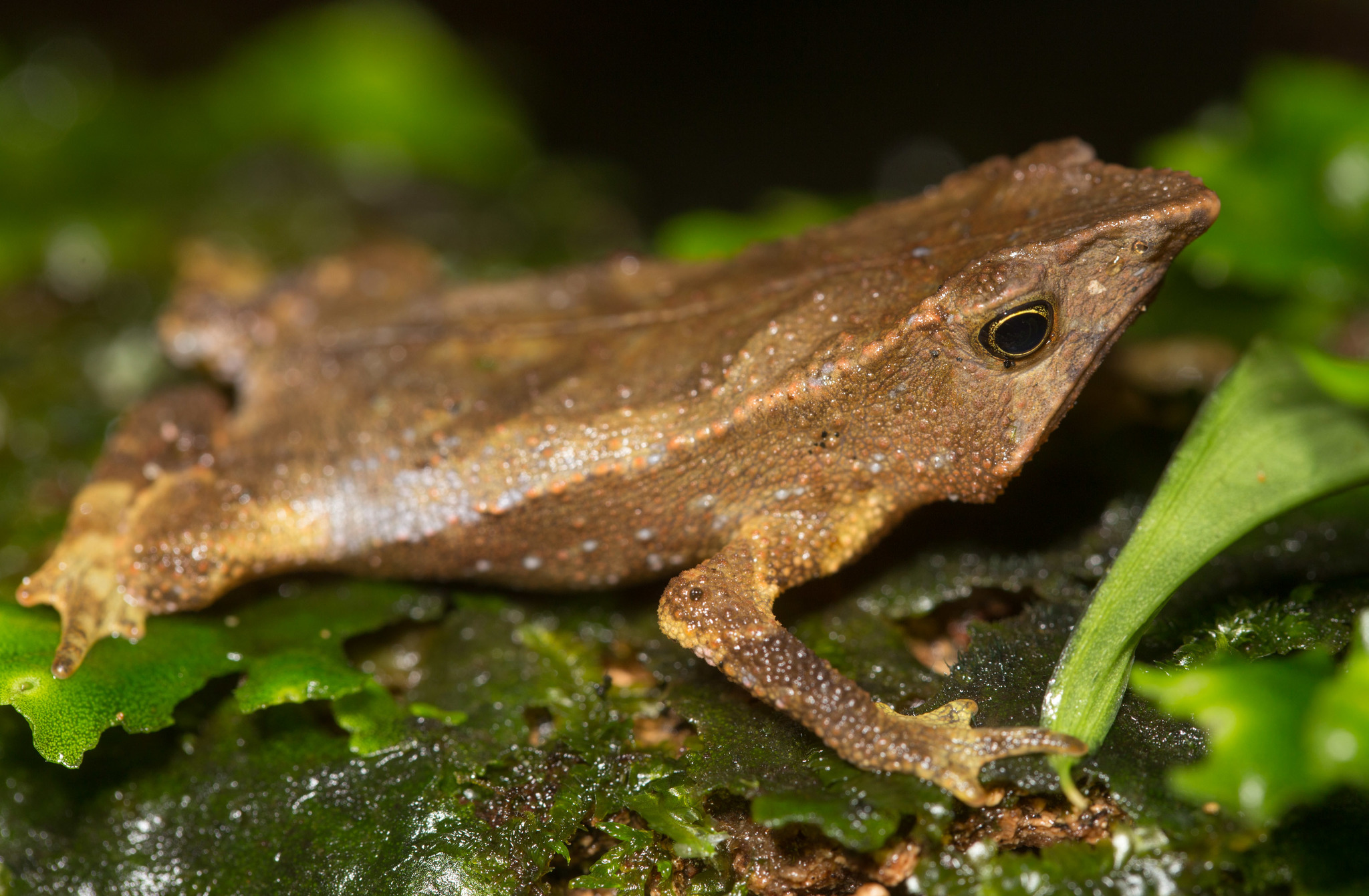
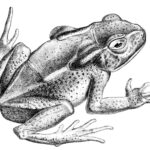
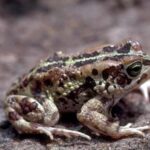
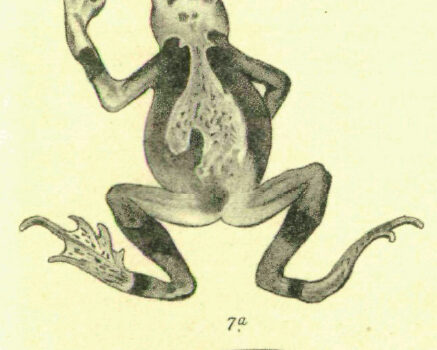
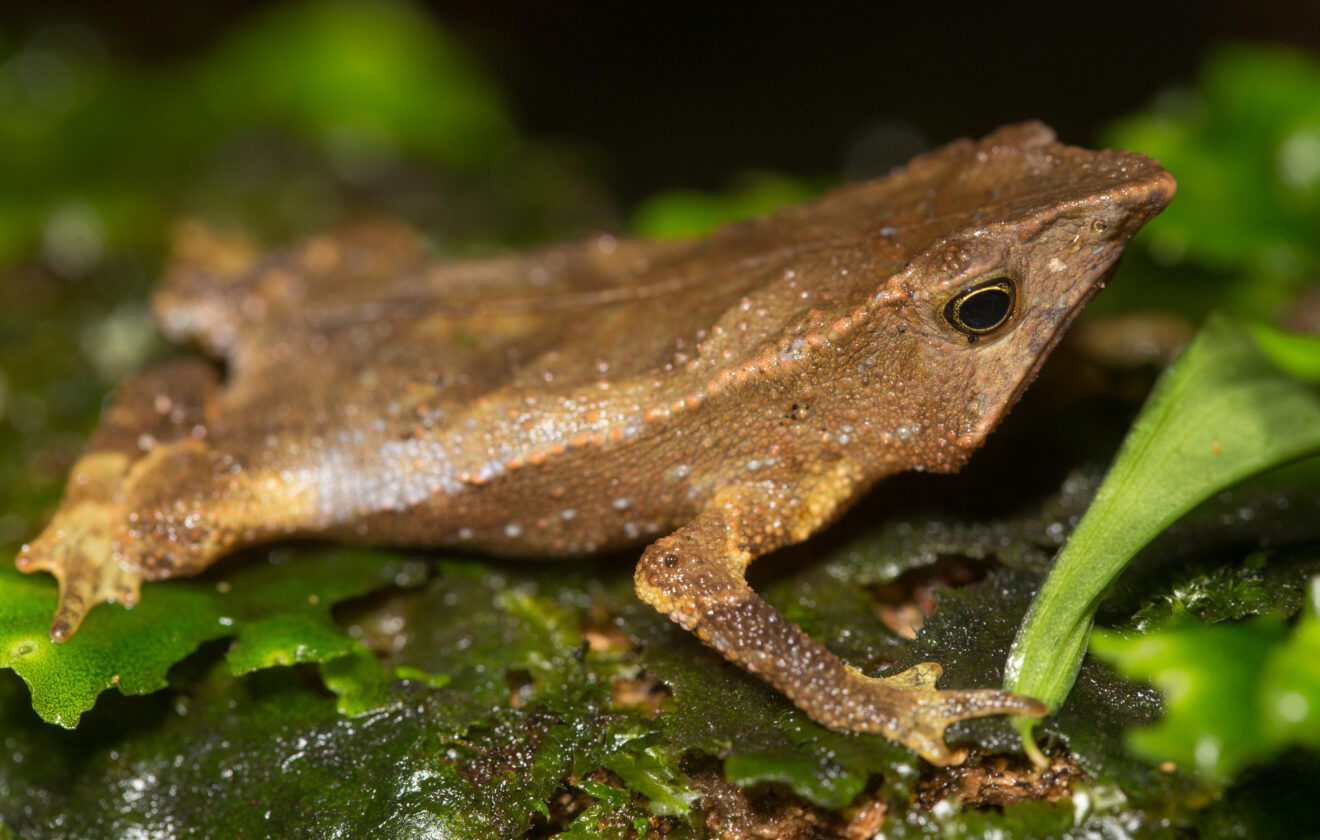
Among amphibians, few are as visually arresting as Rhinella festae. Typically measuring between 30 to 55 millimeters in snout-to-vent length, the species presents a robust yet elegant appearance. Rhinella festae’s intricately patterned skin is its defining characteristic—a remarkable palette of browns, yellows, blacks, and reddish tones interweaves into an artistic display resembling intricate tapestries everywhere on its dorsal surface. Interestingly, no two individuals display identical patterning; each frog is an environmental fingerprint, a unique creation sculpted by evolution.
Adaptive Beauty: More Than Skin Deep#
Despite their vibrant appearance crafting striking visibility, distinct markings serve as ingenious camouflage against complex backgrounds of forest floors and streambeds rich in leaf litter and decomposing organic matter. Predators find discerning Rhino festae’s shape challenging amid the dappled light and vibrant yet fragmented forest floor configuration.
In typical complement to many amphibians, Rhinella festae boasts enlarged parotoid glands behind their eyes. These glands produce potent alkaloid compounds as a chemical defense, deterring would-be predators and emphasizing the species’ adaptive brilliance.
Behavior and Life Cycle: Secrets of Streamside Nights#
The nocturnal habits of Rhinella festae lend their lives a touch of mystery. With daylight’s retreat and darkness cloaking each leaf, the forest comes alive with subtle, whispered songs of amphibian courtship. Adult Festa’s toads spend nights foraging among foliage and forest floor debris, ever watchful and responsive to prey, typically hunting on an insect-rich diet of ants, beetles, crickets, and caterpillars.
Mating follows a seasonal rhythm tied intimately to rainfall and humidity. During the crescendo of rainy seasons, males gather along freshwater streams and sing choruses of short, melodious mating calls—a nighttime rainforest serenade seeking female attention. Females, responding promptly, select mates carefully, a brief encounter culminating in amplexus and subsequent laying of gelatinous egg masses adhered to submerged vegetation or rock formations.
Tadpole Transformation: Nature’s Miraculous Journey#
From these delicate aquatic eggs, festal tadpoles emerge after careful incubation, ingeniously adapted to stream environments. Equipped with specialized mouthparts to feed on algae and microscopic organisms defensively nestled in rock crevices and submerged surfaces, these newborn amphibians grow under naturalistic nurturing of limpid mountain waters. Weeks metamorphose into months, as legless larvae gradually sprout limbs, lose gills, and forge pathways onto dry land—a precarious march to terrestrial life signaling one of nature’s true wonders: metamorphosis.
Ecological Role: Harmonious Existence Within Biodiversity Hotspots#
Though modestly sized, Rhinella festae occupies a crucial ecological niche within the biodiverse Andean tropical forests. Consuming vast numbers of insects, these amphibians help regulate pest populations, indirectly affecting vegetation health. Simultaneously, R. festae forms an essential part of local food webs, providing nourishment for predators including snakes, birds, and small mammals. Such amphibians intertwine complex ecological relations, maintaining ecosystem equilibrium and biodiversity at large.
Moreover, their sensitivity to habitat alterations positions them uniquely as indicators of ecological balance. A healthy, stable population of Rhinella festae often reflects high ecosystem quality, while declines foreshadow broader ecological concerns.
Threats and Conservation Status: Struggles in the Shadows of the Andes#
Despite its ecological significance and aesthetic charm, Rhinella festae faces an uncertain future. The International Union for Conservation of Nature (IUCN) currently classifies the species as Near Threatened, citing ongoing habitat loss driven by deforestation, agriculture expansion, logging, and human settlement expansion as critical concerns.
The Invisible Enemy: Chytridiomycosis#
Like numerous amphibians globally, R. festae remains vulnerable to the devastating chytrid fungus (Batrachochytrium dendrobatidis), which wreaked havoc on amphibian populations across continents in recent decades. This invisible pathogen often leads to significant declines, highlighting the pressing need for ongoing research, monitoring, and proactive disease management strategies.
Cultural and Scientific Significance: Legends and Bioactive Wonders#
Frogs and toads have long held esteemed positions in the cultures of indigenous Andean communities, symbolizing fertility, rain, and transformative life cycles. Although Rhinella festae specifically garners less explicit attention than culturally prominent frogs like poison dart frogs, local respect for amphibians as part of delicate natural balances permeates indigenous folklore, underscoring their importance.
Scientifically, the alkaloid compounds secreted by R. festae’s glands hold exciting potential. Studies within related species suggest plausible biomedical application, ranging from new pharmacological discoveries to inspiring solutions combating microbial resistance and novel pain management therapies. Thus, safeguarding Rhinella festae habitats equates conserving genetic libraries brimming with yet-unknown biological innovations.
Conclusion: A Call to Conservation Action#
In the shimmering green twilight world of Andean cloud forests, Rhinella festae continues to intrigue and captivate. Ultimately, its continuing existence depends fundamentally on active conservation efforts embracing awareness, habitat protection, scientific exploration, and dedicated stewardship. By understanding and appreciating the marvels this enigmatic harlequin toad provides, we collectively ensure future generations will continue discovering, studying, and celebrating Rhinella festae—an eloquent, captivating guardian heartbeat echoing softly from within Earth’s precious biodiversity.