- Discovering Rhinella cristinae: The Hidden World of a Remarkable South American Toad
- Taxonomy and Classification: Unveiling the Identity of Rhinella cristinae
- Natural Habitat: Within the Misty Forests of the Andes
- Physical Characteristics: Subtle Elegance and Impeccable Camouflage
- Behavior and Life Cycle: A Symphony Hidden Amid Shadows
- Ecological Role: Guardians of a Fragile Balance
- Threats and Conservation Status: Navigating the Edge of Danger
- Cultural and Scientific Significance: A Quiet Ambassador for Biodiversity
- Conclusion: Conserving Rhinella cristinae and Safeguarding Global Biodiversity
Discovering Rhinella cristinae: The Hidden World of a Remarkable South American Toad#
Deep within the lush, green mountains of South America, beneath an intricate, emerald canopy that filters sunlight into shadows and patches of dazzling luminescence, lives a toad that often goes unnoticed by even the most discerning naturalist. This elusive and remarkable amphibian, known to science as Rhinella cristinae, thrives quietly among leaf litter, moss-covered rocks, and gently flowing streams. Small, subtle, yet uniquely adapted, this intriguing toad serves as a delicate thread in the intricate tapestry of its ecosystem—a species deserving of deeper awareness and understanding.
While not as flamboyant as brightly colored tree frogs or poison dart frogs, Rhinella cristinae harbors an understated charisma and an ecological significance that is impossible to overlook once discovered. Named after the habitat it occupies and the region it was first documented, the species remains less well-known publicly, yet is deeply intriguing to herpetologists, ecologists, and conservationists alike. Let us explore the hidden life of Rhinella cristinae, revealing its secrets, examining its vital role in nature, and understanding the critical need to preserve this often overlooked amphibian.
Taxonomy and Classification: Unveiling the Identity of Rhinella cristinae#
Rhinella cristinae belongs to the diverse and recognizable family Bufonidae, commonly known as true toads—a lineage encompassing a wide range of robust, terrestrial amphibians found worldwide. Within this family resides the genus Rhinella, home to South American “beaked toads.” This group demonstrates varied adaptations to diverse habitats ranging from the high Andes to misty lowland rainforests. Rhinella cristinae, first described in detailed scientific literature relatively recently, has expanded our knowledge of the genus and highlighted the biological richness of its home region.
The genus Rhinella boasts several notable species, with cristinae closely related genetically and morphologically to other Andean and montane rainforest toads within the family. Nonetheless, each species maintains clear distinctions—varied colorations, subtle physical features, and highly specialized adaptations tailored to precise ecological niches. Such adaptations provide clues to evolutionary mysteries, making clear each species’ unique evolutionary journey and survival strategy, as is true for Rhinella cristinae.
Natural Habitat: Within the Misty Forests of the Andes#
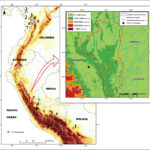
Rhinella cristinae is largely native to the cloud forests and montane environments of western South America, primarily within Ecuador, Peru, and parts of northern Bolivia. Its range, although not extensive compared to some amphibian counterparts, provides a fascinating study in ecological specificity and delicate environmental balance. Within these lush, humidity-drenched forests—where moss hangs like verdant tapestries, and ferns sprout from every crevice of rocks—Rhinella cristinae finds a sanctuary perfectly tailored to its needs.
The habitat preferences of these toads reveal meticulous choices nurtured by countless generations of evolution. They choose secluded spots near freshwater streams or pools nestled among undergrowth, providing crucial moisture, shelter, and ample feeding opportunities. Leaf litter cover offers protection against predators, extreme temperatures, and desiccation, while maintaining ideal conditions for the amphibian’s delicate skin and moisture-dependent physiology. In these microhabitats, the intersecting dynamics of humidity, temperature, and food availability coalesce perfectly to sustain populations of this elusive species.
Physical Characteristics: Subtle Elegance and Impeccable Camouflage#
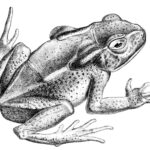
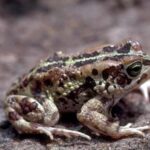
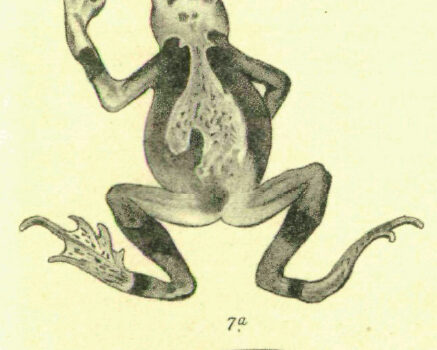
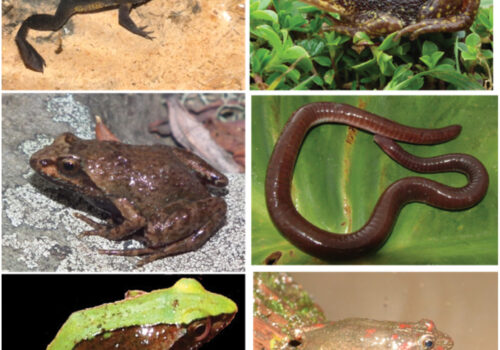
On first glance, Rhinella cristinae may seem modest. Adults rarely exceed 5 centimeters in length; their compact forms showcase subtle shades of brown, ochre, rust, and occasionally olive green. Yet closer examination reveals artistry in their cryptic beauty. Their skin texture—a tapestry of minute bumps, folds, and granular projections—provides impeccable camouflage, blending seamlessly with the leaf litter floor where they spend most of their lives. This camouflage not only offers protection from visual predators like birds or snakes but also aids in surprising unsuspecting prey.
The eyes of Rhinella cristinae are golden or bronze, accented by horizontally elliptical pupils perfectly adjusted to the low, dappled light of forested habitats. When disturbed, the toad exhibits a fascinating, instinctive defense posture. Gentle puffing and inflating of the body exaggerates its size, signaling potential predators that it is less vulnerable than it might appear. In addition, like other Bufonidae, they possess parotoid glands—specialized glands secreting mild toxins as an additional defense mechanism against attack or predation.
Behavior and Life Cycle: A Symphony Hidden Amid Shadows#
A Secretive Life Among the Moss and Leaves#
Rhinella cristinae is predominantly nocturnal, becoming active at twilight, when its insect prey emerges plentifully into the shadows and cooler temperatures prevail. Their diet predominantly consists of ants, beetles, small caterpillars, and occasionally spiders, reflecting the abundance and available biodiversity of their habitat. The toad employs an intriguing “sit-and-wait” predatory method, relying on extraordinary patience and sudden lunges enabled by powerful hind limbs to snatch prey as it passes unaware.
Life Begins in Peaceful, Trickling Waters#
The species breeds primarily during the rainy season, when montane streams swell gently, creating perfect breeding grounds. Male Rhinella cristinae gather discreetly beside shallow pools or slow-moving watercourses, performing subdued but melodic mating calls—a gentle series of clicks and subtle hoots resonating among the greenery. Females deposit translucent, gelatinous eggs in secluded aquatic environments, often attached delicately to submerged vegetation.
Eggs soon metamorphose into tadpoles adapted to rapid growth within their temperate forest freshwater habitats. Their accelerated development counterbalances seasonal water availability in their montane ecosystems, demonstrating an intricate evolutionary adaptation designed precisely for their fragile environment. Tadpoles, initially herbivorous, gradually transition into insectivorous predators, before finally emerging as miniature adult toads ready to take their place in the leaf-littered world beneath the canopy.
Ecological Role: Guardians of a Fragile Balance#
While discreet and rarely visible, Rhinella cristinae serves as a crucial indicator of environmental health—amphibians are widely recognized as vital indicators of ecosystem integrity. As insectivores, these toads control insect populations, contributing significantly to ecological balance. Additionally, they serve as prey to several predators, including snakes, birds, and small mammals. Thus, they occupy a dual ecological role, both regulating prey species and supporting predator populations—highlighting their importance far beyond their unassuming appearance.
Threats and Conservation Status: Navigating the Edge of Danger#
Sadly, like many amphibians around the globe, Rhinella cristinae faces several significant threats today. Habitat loss and fragmentation due to deforestation, agriculture, and infrastructure development pose severe dangers. Moreover, global climate change increasingly threatens montane habitats, shifting local environmental conditions at rates often too rapid for amphibians to adapt. Furthermore, pollution and the spread of invasive diseases, such as chytridiomycosis—a devastating fungal infection—place additional pressures on already fragile populations.
Currently assessed as Data Deficient by the International Union for Conservation of Nature (IUCN), insufficient details about the precise distribution and population trends complicate conservation assessments and interventions. Nonetheless, conservation biologists and local authorities in South America are working persistently to counteract habitat loss and manage disease threats, emphasizing ongoing research and community engagement as essential tools in conserving this unique amphibian.
Cultural and Scientific Significance: A Quiet Ambassador for Biodiversity#
Rhinella cristinae might not inspire as much folklore or local legends compared to other more vivid or toxic amphibian species. Nevertheless, its discreet existence underlines the intricate links connecting biodiversity, environmental health, and cultural respect for ecosystems. South American cultures widely regard healthy amphibian populations as symbolic markers of unspoiled landscapes. Undoubtedly, scientific inquiry around species like Rhinella cristinae continues to enrich our understanding of amphibian biology, evolution, and ecology immensely.
Conclusion: Conserving Rhinella cristinae and Safeguarding Global Biodiversity#
Hidden beneath forests’ lush shadows, Rhinella cristinae continues its subtle journey—a journey filled with evolutionary ingenuity, ecological complexity, and poignant beauty demanding our awareness and protection. By understanding and valuing this silent, understated amphibian, we enhance our connection to nature and deepen our commitment to global wildlife conservation. Join us in advocating for amphibian awareness and action, ensuring this exquisite species continues to reside amidst the misty, emerald wilderness undisturbed for generations to come.