- Unveiling the Cloud Forest Guardian: A Comprehensive Look at Osornophryne occidentalis
- Taxonomy and Classification
- Natural Habitat: The Cloud Forest's Mystical Realm
- Physical Characteristics: Beauty in Subtlety
- Behavior and Life Cycle: Quiet Lives Amid Misty Mountains
- The Vital Ecological Role of Osornophryne occidentalis
- Threats and Conservation Status: Standing at the Edge
- Cultural and Scientific Significance: Small Toads, Big Lessons
- Conclusion: Preserving the Subtle Wonders of Nature
Unveiling the Cloud Forest Guardian: A Comprehensive Look at Osornophryne occidentalis#
Amid the mist-covered slopes and verdant tapestry of vegetation high in the Andean ranges of Colombia and Ecuador, an unobtrusive yet charming amphibian underscores the wonder of evolutionary specialization. Meet the Osornophryne occidentalis, a small, elusive toad species thriving where few others can—in the chilly, perpetually damp cloud forests perched high above the valleys below.
Known commonly among herpetologists as the Western Plump Toad, Osornophryne occidentalis is intriguing not for its flashy colors or loud calls—traits commonly celebrated among tropical counterparts—but for its quiet adaptability and subtle mastery over one of earth’s most delicate habitats. Belonging to the Bufonidae family, commonly referred to as true toads, its presence speaks volumes about the health of its fragile mountain home.
Before we delve deeper into the fascinating life, ecology, and conservation of this mountain dweller, let’s pose a thought-provoking anecdote: Imagine venturing deep into a cloud forest, where visibility rarely extends far beyond your outstretched hand, your boots sinking slightly into cushions of sphagnum moss. Amid this mystical scene, your eyes catch a subtle movement among the moss. There it is—the potent yet shy sentinel of this unique ecosystem—Osornophryne occidentalis, blending so effortlessly that it becomes one with the environment around it.
Taxonomy and Classification#
The scientific identification of this special amphibian places it firmly within the Bufonidae family, under the genus Osornophryne, recognized for its specialized adaptations to cloud forest ecosystems. Officially described by renowned herpetologist William Edward Duellman in 1971, the species epithet occidentalis, meaning “western,” reflects this species’ limited distribution along western slopes of the Andean cordillera.
The genus Osornophryne itself comprises a distinct lineage of Andean toads known for their diminutive body size, highly specialized habitats, and intricately adapted behaviors. This genus reveals an evolutionary story steered by isolation and environmental pressures found only in the higher elevations of South America’s Andes. Other close relatives within the genus share similar ecological niches, showcasing the adaptive power of nature at elevated altitudes.
Natural Habitat: The Cloud Forest’s Mystical Realm#
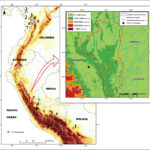
Osornophryne occidentalis inhabits the high-altitude cloud forests of northwestern Ecuador and southwestern Colombia—regions recognized globally as biodiversity hotspots. Typically, these toads are found between 2,500 to 3,500 meters above sea level, where persistent clouds weave through moss-laden trees, and cool breezes whisper through the forest canopy, condensing moisture into perpetual mist.
These ecosystems represent delicate, intertwined biological networks—an ever-moist microclimate supporting dense carpets of mosses, abundant liverworts, and a symphony of fungi and lichens. Here, Osornophryne occidentalis has exquisitely adapted to life amidst decomposing leaves, epiphytes, and soft vegetation. Wet, cool conditions offer not just physical comfort but critical support for its survival, as this species breathes through its skin and thus depends on constantly humid conditions.
A stroll through such habitats feels somewhat dreamlike, as shapes and sounds blur into one another. Here, spotting Osornophryne occidentalis requires patience and careful attention; thoroughly camouflaged among leafy detritus and mossy outcrops, these toads epitomize cryptic coloration perfected through millions of years of adaptation.
Physical Characteristics: Beauty in Subtlety#
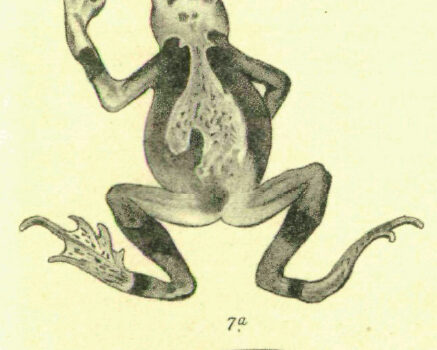
Osornophryne occidentalis might not grab attention at first glance like bright Amazonian frog species with flamboyant hues, yet it possesses a quiet charm reflective of its lifestyle and ecosystem. Adults typically range between 2 to 3 centimeters—hardly larger than a thumbnail—making them small, unobtrusive residents of the rich ground-level cover.
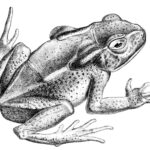
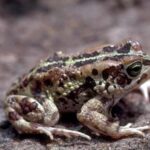
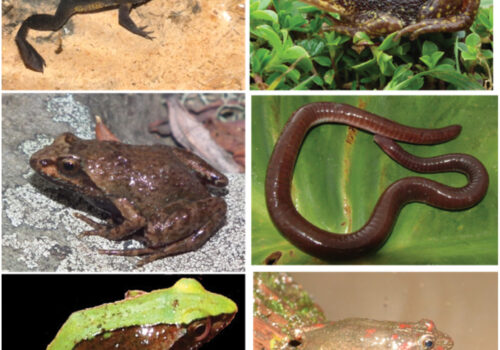
The species exhibits a robust, plump body with relatively short limbs, an evolutionary adaptation facilitating stability and minimizing energy expenditure in their densely vegetated habitats. The texture of their skin is rough and granular, flecked with subtle shades ranging from deep earthy browns and dark greens to subdued grays, enabling excellent camouflage among roots, moss, and decaying foliage.
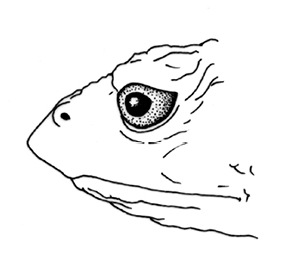
Osornophryne occidentalis notably lacks certain characteristics common to other members of the Bufonidae family—most significantly the absence of large paratoid glands behind the head, a trait prevalent in typical toads. Instead, this species has evolved unique toxin secretions across its skin surface, sufficiently protecting against potential predators and microbial threats in its damp, microbial-rich environment.
Behavior and Life Cycle: Quiet Lives Amid Misty Mountains#
A Unique Journey from Egg to Adult#
The reproductive habits of Osornophryne occidentalis beautifully illustrate the complexity of amphibian life in cloud forests. Unlike most better-known frog species that lay eggs in ponds or streams, these toads have adapted to terrestrial breeding. Female Osornophryne occidentalis deposit small clusters of eggs directly amidst humid leaf litter and moss. Developing embryos undergo fully terrestrial development, skipping the typical aquatic tadpole stage entirely.
This direct development strategy is ideal for life in high-altitude environments, which lack predictable standing water pools for tadpoles. Hatchlings emerge fully formed—miniature replicas of their parents—and immediately begin their secretive lives beneath forest detritus, out of sight and protected from predation and harsh weather.
Nocturnal, Cryptic Hunters#
Primarily nocturnal, Osornophryne occidentalis ventures out at night to forage among moss-covered trunks and the forest’s understory vegetation. Their diet comprises various small arthropods such as springtails, mites, tiny beetles, and flies abundant beneath the leaf litter layer. Their hunting method is ambush-based—instead of actively hunting prey, they remain motionless, waiting stealthily for unsuspecting prey to come within striking distance.
When daylight returns, these secretive creatures recede back into the shadows, finding refuge beneath logs, moss carpets, or curled layers of moist leaves, effectively reducing moisture loss and avoiding daytime predators.
The Vital Ecological Role of Osornophryne occidentalis#
Amphibians like Osornophryne occidentalis serve as essential bio-indicators within their ecosystems. Given their permeable skin and highly specific habitat requirements, these animals quickly respond to shifts in environmental quality and climatic changes. Therefore, their presence—or absence—provides researchers critical insights into cloud forest health and broader ecological well-being.
Predominantly insectivorous, Osornophryne occidentalis influences insect population dynamics, contributing to pest control within the ecosystem. Concurrently, they participate in nutrient cycling within the leaf litter zone, supporting overall forest productivity. Furthermore, although their secretive habits and toxic skin limit predators, they occasionally become prey for certain snakes, birds, and larger arthropods.
Threats and Conservation Status: Standing at the Edge#
Currently, the International Union for Conservation of Nature (IUCN) lists Osornophryne occidentalis as Vulnerable. Habitat loss resulting from agriculture expansion, mining projects, logging activities, and the relentless press of human encroachment threatens their cloud forest homes significantly.
Climate change, too, poses immediate threats, disrupting rainfall patterns, shifting humidity regimes, and altering temperature gradients, thereby fragmenting and reducing suitable habitats. Additionally, amphibian diseases like chytridiomycosis—a devastating fungal infection—pose another daunting threat, historically driving amphibian declines worldwide and likely affecting vulnerable populations.
Concerted conservation efforts are critical for protecting and maintaining these vulnerable cloud forest ecosystems. Prioritizing habitat protection, shifting towards sustainable agricultural practices, and scientific monitoring of Osornophryne occidentalis populations can help steer the tide, preserving both these remarkable toads and their extraordinary habitats for generations to come.
Cultural and Scientific Significance: Small Toads, Big Lessons#
While Osornophryne occidentalis may not carry significant cultural symbolism to local indigenous communities, its scientific significance remains profound. As a sensitive ecological sentinel, it profoundly enriches biological knowledge surrounding adaptive evolution, helping scientists better understand ecosystem dynamics and climate resilience in fragile cloud forests.
Conclusion: Preserving the Subtle Wonders of Nature#
Osornophryne occidentalis gently reminds us of nature’s delicate harmony and remarkable adaptability. Each glance at this modest toad represents a subtle miracle crafted by millions of years of evolution. To safeguard this fascinating species means safeguarding its unforgettable cloud forest habitat—a realm teeming with biodiversity and wonder.
By recognizing its ecological value, appreciating its subtle beauty, and contributing to conservation initiatives, we can ensure that future nature enthusiasts can continue exploring the intriguing world of Osornophryne occidentalis—the gracious guardian of the cloud forest realm.