Centrolene charapita: The Enchanting Glass Frog of the Amazon#
In the dripping, emerald-tinted forests of the Peruvian Amazon, hidden amidst the lush vegetation and secretive waterways, resides a gem of the amphibian world—Centrolene charapita. Delicate, tiny, and breathtakingly transparent, this remarkable glass frog species offers a living window into the mysteries of biology and ecology. Scientifically known as Centrolene charapita, this captivating creature belongs to a family of frogs whose translucent skin grants us unprecedented glimpses into their inner workings, making them favorites among biologists, naturalists, and wildlife enthusiasts alike.
Picture, if you will, a frog perched patiently upon a glistening leaf above a moonlit forest stream, its soft, rhythmic calls blending seamlessly with the nocturnal symphony emerging around it. Intriguingly, even its heartbeat becomes visible through its belly’s transparent skin—an indicator not only of its unique physiology but also its fragile beauty, perfectly adapted to its secluded rainforest home. Before we delve deeper into the tapestry of its life, habitat, and conservation, let us first consider how the tiny Centrolene charapita fits into the broader biological framework of life on Earth.
Taxonomy and Classification#
Centrolene charapita forms part of the fascinating family Centrolenidae, commonly known as glass frogs—named aptly for their signature translucent undersides, which reveal internal organs and skeleton in remarkable detail. Specifically classified within the Centrolene genus, this species shares its lineage with other small arboreal frogs, all united by delicate, nearly transparent bodies and their preference for clean, swiftly-flowing streams hidden within lush rainforests.
Described formally by renowned herpetologists Twomey, Delia, and Castroviejo-Fisher in 2014, Centrolene charapita quickly gained attention for its distinct traits and unique regional specificity. Sharing close ancestral ties to related species like Centrolene geckoideum and Centrolene pipilatum, it offers critical insights into the evolutionary diversification seen among frogs inhabiting tropical forests, highlighting how minute ecological differences sculpt the diversity of life.
Natural Habitat#
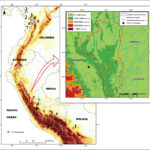
The natural home of Centrolene charapita lies nestled deep within the western Amazon basin, specifically within the verdant lowland and foothill forests of northern Peru. A region characterized by towering trees, dense understories, and crystalline, swiftly-flowing streams trickling through shaded ravines, this habitat provides ideal conditions for this sensitive amphibian.
This species thrives along forest streams at elevations typically ranging from approximately 180 to 350 meters above sea level, seeking areas dominated by pristine, undisturbed vegetation. The presence of clean, oxygen-rich water sources is absolutely vital, as the crystal-clear creeks and rivulets of its habitat offer secure places for egg deposition and tadpole development.
Picture the Amazon nightfall—subtle moonlight filters through thick foliage, creating shimmering reflections on the water’s tranquil surface. Amidst this peaceful darkness, Centrolene charapita clings quietly to leaves overhanging streams, perfectly blending into its environment. The leaves serve dual purposes, acting both as hunting perches for unsuspecting insects and as safe spawning grounds, shielded from predation and disturbance.
Physical Characteristics#
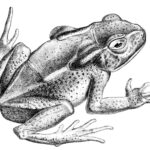
Centrolene charapita is a relatively small amphibian, with adult males measuring approximately 20 to 25 millimeters in length. Females are typically slightly larger, occasionally reaching up to 28 millimeters. Despite their diminutive size, they captivate observers instantly due to their ethereal translucency and vibrant coloration patterns, displaying delicate shades of emerald green intermixed with subtle golden and pale white speckles—features that aid greatly in the art of camouflage.
However, the primary wonder of this amphibian lies in its transparent ventral skin. Gently turning one glance beneath a perched frog, an observer will behold the frog’s internal organs and bones, clearly visible through the belly—revealing beating hearts, complex vascular networks, and even digestive activity. The transparency that characterizes Centrolene charapita is not mere ornamentation. Rather, scientists theorize it may help reduce detection by predators positioned below, subtly altering the outline and shape of the frog when backlit by faint jungle moonlight.
Another striking feature is their large, forward-facing eyes, extraordinarily adapted to their nocturnal lifestyle. Equipped with high sensitivity to dim, filtered nighttime illumination, Centrolene charapita can swiftly identify and capture tiny prey concealed amongst the dense forest foliage. Their amphibious feet end in adhesive pads allowing easy adhesion to smooth, slick leaves, facilitating seamless movements in their arboreal habitats.
Behavior and Life Cycle#
Nocturnal Hunters in the Night#
As nocturnal creatures, Centrolene charapita spend the daylight hours tucked securely beneath leaves or shaded branches, emerging only as dusk descends upon the forest. By nightfall, the males serenade the jungle with melodious chirps. These advertising calls fulfill dual purposes: attracting potential mates and asserting their territorial boundaries against rival males. If a rival approaches, elaborate and ritualized vocal duels ensue, cascades of tonal chirrups resonating through the night until territorial dominance is reestablished.
Breeding and Parental Care#
Centrolene charapita exhibits fascinating reproductive behaviors. Upon selecting suitable leaves that hang directly above gently flowing streams, females deposit clusters of elegant gelatinous eggs, attaching them carefully to the undersides of foliage. These eggs rely heavily on moisture to remain viable, an adaptation ensuring only areas with high humidity and proximity to water sources are chosen.
Post-egg deposition, males embark on watchful vigil over their progeny, fiercely protecting the developing eggs against predatory insects and fungal growths. Such dedicated paternal care significantly increases offspring survivability. Within a matter of days, tiny tadpoles hatch, dropping softly into the clear waters flowing beneath. Their aquatic larval stage lasts several months, during which time they feed voraciously on algae and diatoms, gradually metamorphosing into minute froglets ready to ascend once again into arboreal life.
Ecological Role#
As key members of their ecosystems, Centrolene charapita contribute significantly to rainforest biodiversity. Acting as natural pest controllers, adults actively prey upon abundant insect populations, helping regulate the delicate balance of the forest biota. In turn, both adults and larvae provide essential nutrients, serving as prey for countless predators such as birds, snakes, spiders, and fish—integral components of the complex Amazonian food web.
Even more profoundly, the species functions as a sensitive bioindicator. Known to require pristine, uncompromisingly clean habitats, Centrolene charapita populations can serve scientists as barometers of ecosystem quality—if the frog declines, it signals broader environmental stressors such as pollution, climate shifts, and habitat disturbances.
Threats and Conservation Status#
Despite their charming demeanor and significant ecological role, glass frogs, including Centrolene charapita, face multiple threats driving worrisome population declines. Primary concerns involve habitat degradation due to deforestation, land conversion, and human expansion into sensitive rainforest areas. Additionally, water pollution threatens their fragile aquatic nurseries, while climate change causes subtle yet profound shifts in rainfall patterns and temperature regimes, potentially disrupting reproductive cycles and tadpole survivability.
Presently, Centrolene charapita is classified as Data Deficient (DD) by the IUCN Red List, indicating insufficient studies to fully assess its conservation status. This underscores an urgent need for intensified research and careful monitoring practices to gauge population trends, distribution patterns, and specific vulnerabilities accurately. Only through comprehensive understanding and proactive protective measures—such as habitat preservation, waterway protection, and community engagement—can conservationists hope to safeguard this sensitive amphibian.
Cultural and Scientific Significance#
Much remains unexplored regarding the cultural significance of Centrolene charapita within indigenous communities; yet frogs are traditionally revered throughout Amazonia for their symbolic representations—often embodying fertility, renewal, and ecological balance. Scientifically, glass frogs fascinate researchers by providing ideal models for the study of evolutionary adaptations, transparency, and physiological processes.
Further understanding their unique transparency mechanism could hold keys to medical innovations, including non-invasive tissue imaging technologies. Likewise, their vital ecological role underscores the importance of protecting fragile rainforest ecosystems upon which countless other species rely.
Conclusion#
In Centrolene charapita, we find a species blending delicate beauty and ecological significance, revealing intimate biological secrets through skin as crystal clear as mountain streams. To deepen appreciation for this exquisite amphibian is to foster renewed commitment toward its conservation and rainforest habitats across the invaluable, irreplaceable, and ever-fascinating Amazon.