- Nymphargus manduriacu: Discovering the Enigmatic Manduriacu Glass Frog
- Taxonomy and Classification
- Natural Habitat
- Physical Characteristics: Translucent Elegance
- Behavior and Life Cycle: An Intimate Glimpse
- Ecological Role: Guardians of Environmental Health
- Threats and Conservation Status
- Cultural and Scientific Significance of a Transparent Treasure
- Conclusion: Preserving an Emerald Treasure
Nymphargus manduriacu: Discovering the Enigmatic Manduriacu Glass Frog#
Deep within the mist-laden forests of Ecuador, hidden amongst foliage shimmering with dew, lives a creature so delicate in transparency that it conjures thoughts of glass sculptures rather than real amphibians. Meet Nymphargus manduriacu, known colloquially as the Manduriacu Glass Frog, a captivating and nearly invisible resident of one of the planet’s richest biodiversity hotspots.
This tiny amphibian, scientifically identified as Nymphargus manduriacu in 2019, has quickly garnered attention due to its fragile beauty and ecological vulnerability. Its discovery not only enriches our understanding of amphibian biodiversity but raises awareness about conserving delicate ecosystems that shelter countless yet-to-be-discovered species.
Taxonomy and Classification#
The Manduriacu Glass Frog belongs to the family Centrolenidae, a group of frogs known for their striking transparency and nocturnal habits. More specifically, it is classified within the genus Nymphargus, distinguished by small body sizes, delicate appearance, and fascinating reproductive behaviors.
The exact classification of the species is as follows:
- Kingdom: Animalia
- Phylum: Chordata
- Class: Amphibia
- Order: Anura
- Family: Centrolenidae
- Genus: Nymphargus
- Species: Nymphargus manduriacu
Closely related species within this genus also showcase similarly transparent skin and leaf-dwelling habits. Yet, N. manduriacu has notable unique morphological and genetic traits, reaffirming its status as distinct within its lineage.
Natural Habitat#
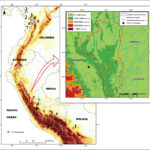
The natural beauty of Ecuador’s mountainous regions forms a lush, often cloud-engulfed home for this elusive glass frog. Situated within the Río Manduriacu Reserve, from which the species derives its common name, the area encompasses subtropical mountainous cloud forests rich in diverse vegetation and countless hidden microhabitats. The reserve resides at an altitude ranging from approximately 1,100 to 1,400 meters (3,600-4,600 feet), providing a cool, humid environment ideal for this frog’s delicate physiology.
A Forest Wrapped in Clouds#
Beneath a dense canopy intertwined with ferns, orchids, mosses, and countless bromeliads lies a haven for amphibians. The glass frogs find solace along cascading streams and shaded rivulets intricately embedded into the forested slopes. These freshwater streams are crucial for their survival, offering spaces for courtship, egg-laying, and larval development. The damp, shaded foliage surrounding these waterways allows the frogs to rest safely during daylight hours, concealed from aerial predators.
The moist conditions of the cloud forest sustain not just individual species like N. manduriacu, but entire ecological communities whose lifecycles intertwine intricately, creating a tapestry of life sensitive to climatic changes and environmental disturbances.
Physical Characteristics: Translucent Elegance#
The Manduriacu Glass Frog captivates observers with its remarkable near-transparency and delicate size, typically ranging between 20 and 25 millimeters (approximately one inch) in length, making it easily overlooked by the untrained eye. Its elegant, slim body is accented by eyes that resemble golden jewel-like spheres, staring curiously from their perch atop moist leaves.
The species’ dorsal surface presents a pale green hue—an adaptation providing effective camouflage amidst lush plant life—while its undersides offer a spectacular transparent window into the frog’s internal anatomy. Visitors fortunate enough to witness this marvel can clearly see the frog’s internal organs, including its beating heart, moving digestive tract, and the crimson network of veins that give life to its small frame.
This extraordinary adaptation not only astounds naturalists but offers effective camouflage against predators. Light filtering through leaves disguises the frog’s outline, transforming this tiny amphibian into a transparent phantom that predators rarely notice.
Behavior and Life Cycle: An Intimate Glimpse#
Nymphargus manduriacu primarily leads a nocturnal lifestyle, emerging under cover of darkness to forage, reproduce, and interact. It spends daylight hours far from prying eyes, pressed close against foliage that conceals its fragile form. When dusk settles softly atop cloud forest canopies, these frogs become active, echoing the twilight with delicate chirps and calls that seem to enchant the night itself.
Feeding Habits and Survival Strategies#
Manduriacu Glass Frogs feed predominantly upon small invertebrates, such as ants, flies, spiders, and other available forest insects. Their slow movement, impeccable camouflage, and patient hunting tactics make them exceptional predators within their miniature arboreal ecosystems. Their methodical approach is perfectly suited to their small size and fragile bodies, capturing prey with precision before quickly returning to cover.
Mating Rituals and Parental Devotion#
Within the emerald folds of leaves above streams, male glass frogs vocalize soft, melodious calls to attract females. Once partners find one another, delicate courtships ensue, leading to careful egg deposition beneath leaves overhanging water bodies. This strategic placement ensures that newly hatched tadpoles easily drop into water directly below, increasing their chances of survival. Interestingly, males exhibit dedicated parental care—one of the noteworthy traits within this captivating family of frogs—guarding egg clutches from predators, desiccation, and parasites until the eggs successfully hatch into their aquatic tadpole forms.
Ecological Role: Guardians of Environmental Health#
The ecological significance of the Manduriacu Glass Frog, like many amphibians, is profoundly essential. They play dual roles within forest systems: they act both as predators—controlling insect populations—and as prey, providing sustenance to snakes, birds, and larger invertebrates. Furthermore, these frogs serve as sensitive biological indicators, their presence—or absence—a clear reflection of ecosystem integrity and environmental health within their cloud forest homes.
Due to their extreme sensitivity to climatic shifts, pollution, and habitat disturbances, their declining populations provide early warnings about ecosystem deterioration, emphasizing the importance of monitoring and conserving ecosystems like that of Río Manduriacu.
Threats and Conservation Status#
Despite its recent scientific discovery, the future for Nymphargus manduriacu already looks uncertain. Scientists worry that habitat loss due to deforestation, mining activities, agriculture expansion, and climate changes threaten this unique glass frog’s fragile existence. While the species has yet to be formally assessed by the IUCN Red List, ongoing assessments reflect significant concerns due to restricted range and vulnerabilities.
The Río Manduriacu Reserve currently provides intended sanctuary. However, human pressures outside reserve boundaries undermine its overall ecological connectivity, potentially isolating populations and increasing the risk of local extinction. Conservation groups are actively working towards securing long-term preservation, promoting habitat restoration and eco-friendly land-use management to safeguard this enchanting amphibian and countless other organisms sharing its fragile habitat.
Cultural and Scientific Significance of a Transparent Treasure#
Although its recent discovery has not allowed for extensive integration into traditional cultural knowledge, glass frogs are widely revered across Latin America for their enchanting appearance. Indigenous peoples often symbolize amphibians as connectors between worlds: terrestrial and aquatic realms, human and divine spirits, tangible ecosystems and invisible processes.
Scientifically, the transparency of glass frogs has continually fascinated researchers studying physiological adaptations, offering opportunities for advancements in medicine and biology alike. Researchers exploring this distinctive trait aim to better understand how such adaptations evolved, exploring potential applications in biomedical technology.
Conclusion: Preserving an Emerald Treasure#
Nymphargus manduriacu embodies the delicate balance and breathtaking wonder found within Earth’s lush cloud forests. It reminds us of the profound discoveries awaiting our exploration and underscores the urgency of conservation efforts needed to protect these pristine ecosystems. To preserve the Manduriacu Glass Frog—and the countless interconnected species that occupy this habitat—we must consciously engage in actions that advocate for wildlife conservation, habitat restoration, and ecological education.
Let this transparent marvel inspire not just fascination but collective responsibility, ensuring that future generations continue to behold the mysterious elegance of this fragile, mesmerizing creature hidden within the clouds.