- Nymphargus posadae: Unveiling the Secrets of a Glass Frog Jewel
- Taxonomy and Classification
- Natural Habitat: Where Mist and Water Collide
- Physical Characteristics: The Enchanting Glass Frog
- Behavior and Life Cycle: An Elegant Dance in the Canopy
- The Ecological Role of Nymphargus posadae
- Threats and Conservation Status: Preserving Jewel-like Amphibians
- Cultural and Scientific Significance
- Conclusion: Embracing Conservation, Safeguarding Wonders
Nymphargus posadae: Unveiling the Secrets of a Glass Frog Jewel#
In the dense, mist-drenched forests along the steep slopes of the Andes mountains, a tiny amphibian sparkles like a hidden gemstone among moss-laden branches and glistening leaves. Nymphargus posadae, known commonly as the Posada’s Glass Frog, captivates the hearts and imaginations of nature enthusiasts and biologists alike. Defined by its delicate translucence, fragile body, and strikingly beautiful appearance, this glass frog species represents both the wonders and the fragility of our planet’s incredible biodiversity.
Like shimmering living glass, the skin of Nymphargus posadae invites us to contemplate the marvels of evolution. Its captivating transparency allows glimpses into intricate inner workings: gently pulsing heartbeats, delicate veins tracing webs beneath crystalline skin, and the subtle movement of air-filled lungs. Standing courageously as a bioindicator species, Posada’s Glass Frog serves as a guardian of the pristine habitat it dwells within, warning us of threats and changes hidden from human eyes.
Join us in exploring the remarkable world of Nymphargus posadae—their concealed habitats, intriguing behaviors, and critical ecological roles—affirming yet again that conservation of even the smallest species enriches our shared home immeasurably.
Taxonomy and Classification#
To truly appreciate the captivating Nymphargus posadae, it’s essential to understand its placement in the amphibian family tree. Posada’s Glass Frog belongs to the family Centrolenidae, widely recognized as glass frogs, celebrated for their translucent abdominal skin revealing internal organs. Within this family, Nymphargus constitutes a distinct and fascinating genus characterized by unique reproductive strategies, vocal behaviors, and specific genetic markers.
Formally described by herpetologists Ruiz-Carranza and Lynch in 1995, Nymphargus posadae initially bore the scientific name Cochranella posadae, reflective of former taxonomic classifications. However, recent phylogenetic analyses using genetic evidence have refined its position, firmly placing it within the genus Nymphargus. Of note is the genus’ remarkable adaptation to survival across high-elevation mountainous streams, making Nymphargus posadae closely related yet ecologically distinct from other glass frog genera.
Natural Habitat: Where Mist and Water Collide#
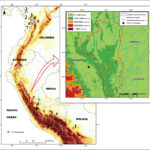
The world of Nymphargus posadae unfolds amid the cloud-covered evergreen forests perched on Andean slopes within Colombia. This species predominantly occupies specific habitats situated between elevations of approximately 1,400 to 2,400 meters above sea level. Here, they thrive in moist montane forests—biomes characterized by mist-shrouded trees, abundant rainfall, and diverse vegetation.
Unlike lower elevation forests, Andean cloud forests offer cooler temperatures and high humidity year-round. Posada’s Glass Frog thrives in zones closely associated with clear, pristine streams and waterfalls, where moisture continuously bathes the towering canopy foliage and diminutive epiphytic plants cling to branches. Ferns, mosses, bromeliads, and lichens partner to forge a lush microhabitat, creating perfect niches for these delicate frogs to find sustenance, mating opportunities, and protective refuge.
This specialized preference for high-quality, humid microclimates makes Nymphargus posadae both profoundly adapted to and utterly reliant upon these delicate ecosystems. Any alteration to climate patterns thus poses a significant risk, making habitat conservation paramount for their sustained survival.
Physical Characteristics: The Enchanting Glass Frog#
Few amphibians match the captivating presence of Nymphargus posadae. Measuring a modest 24 to 29 millimeters in length—roughly the size of a marble—the sheer delicacy of their form often astonishes observers. Yet their small stature belies the species’ immense ecological importance within their mountainous, streamside habitats.
The hallmark feature, and the source of common fascination, lies within their transparent ventral skin. The frog’s abdomen, limbs, and sometimes even eyes showcase a translucent quality, allowing delicate glances into their vibrant inner workings. Hearts pulsing rhythmically, bone structures elegantly outlined, the beating flow of major blood vessels—each of these biological details shines clearly through their crystalline skin.
On their backs, Posada’s Glass Frogs possess vibrant splashes of subtle lime-to-emerald green coloration. This precise hue, flecked occasionally with delicate white dots, camouflages them amongst dew-kissed leaves with unparalleled effectiveness. Eyes, large and striking, are tinged with iridescent golden or silver tones, perfectly adapted for nocturnal vision. The intricacy and beauty of these features surpass mere aesthetics—each characteristic equips the frog exceptionally well for a life marked by competition, predation, and survival-driven necessity.
Behavior and Life Cycle: An Elegant Dance in the Canopy#
Nocturnal Hunters of the Moss-Laden Branches#
Nymphargus posadae is strictly nocturnal, emerging into activity as twilight gently fades into darkness. With uncanny agility and precision, these frogs quietly navigate leaf surfaces and mossy substrates, seeking small yet nutrient-rich prey such as delicate insects, spiders, and tiny arthropods. Their nuanced coloration renders them nearly invisible to both predators and unsuspecting prey alike.
Using short, powerful hops and lightning-quick tongues, Nymphargus posadae demonstrates adept hunting strategies matched only by their keen senses. Intriguingly, their nocturnal lifestyles mean they must carefully balance energy storage, temperature regulation, and nutritional needs amidst the cooler, moisture-laden night.
Mating Rituals Among Starry Skies and Dripping Leaves#
Every year, Posada’s Glass Frogs engage in striking yet delicate mating rituals. Males attract females through soft, melodic calls emanating from carefully selected territories adjacent to gently rushing streams. Their vocalizations, while subtle and musical, are specifically attuned for effective communication above the persistent background murmurs of flowing water.
After successful courtship, females deposit small egg masses, often strategically positioned underneath moist, suspended leaves or on low-lying foliage situated over water bodies. This strategic placement ensures protection of offspring from terrestrial predators, reduces exposure to parasites, and facilitates immediate tadpole access to freshwater upon hatching.
Remarkably, males of many glass frog species, including possibly Nymphargus posadae, exhibit parental investment by fiercely guarding eggs against predators, dehydration, and fungal infection, indicative of evolutionary adaptation driven by intense selective pressure.
The Ecological Role of Nymphargus posadae#
Within their complex montane ecosystems, Posada’s Glass Frogs occupy the crucial niche of controlling insect populations, thereby indirectly supporting plant pollination, disease regulation, and nutrient cycling processes. Their delicate forms also provide sustenance for various nocturnal predators, such as bats, birds, snakes, and arachnids.
As a well-integrated component of this intricate ecological web, their population status serves as a direct reflection of environmental health. Mild pollution, habitat disturbances, or shifts in climate and rainfall patterns swiftly impact this sensitive species, making Nymphargus posadae an essential barometer for researchers monitoring ecosystem health.
Threats and Conservation Status: Preserving Jewel-like Amphibians#
Currently, the International Union for Conservation of Nature (IUCN) classifies Nymphargus posadae as a Vulnerable species, facing considerable threats primarily driven by habitat destruction, climate change, deforestation, and water pollution. As the Andean highlands face increasing pressures due to expanding agriculture, urbanization, mining, and logging, pristine habitats shrink, fragment, and degrade rapidly, threatening the survival of these delicate amphibians.
Additionally, diseases such as chytridiomycosis—the rapidly spreading amphibian fungal infection—pose grave concerns for glass frogs worldwide by drastically impacting amphibian populations within short periods.
Scientific monitoring, habitat protection, community-based conservation efforts, and public awareness campaigns are instrumental to safeguarding the future of Nymphargus posadae. By preserving the frog’s habitat, we simultaneously protect numerous other species relying on these ecologically precious refuge areas.
Cultural and Scientific Significance#
Beyond ecological roles, glass frogs like Nymphargus posadae inspire broad scientific curiosity due to their unique biology. Their transparent tissues draw interest from scientists exploring medical research, developmental biology, and genetics.
Locally, glass frogs have earned cultural significance as symbols of ecological well-being, harmonizing human traditions with the biodiversity surrounding local Colombian communities.
Conclusion: Embracing Conservation, Safeguarding Wonders#
Nymphargus posadae exemplifies the beauty, vulnerability, and ecological interconnectedness of our planet’s biodiversity. This species compels us toward conservation because conserving this exquisite glass frog ensures a brighter, healthier future for countless species, potentially including ours.
Let us embrace collective responsibility, continuing our support for habitat protection, species study, and sustainable coexistence—because after all, protecting jewels such as Posada’s Glass Frog secures a brighter ecological legacy for generations yet unborn.