Nymphargus humboldti: The Enchanting Glass Frog of the Andean Cloud Forests#
Hidden away in the mist-laden cloud forests of the Andes Mountains dwells a creature so delicate and ethereal that it almost seems woven from glass and mist—this is Nymphargus humboldti, often known simply as Humboldt’s glass frog. Named after Alexander von Humboldt, a legendary naturalist who once traversed these vast and haunting landscapes, this exquisite amphibian embodies the mysterious allure of South America’s wilderness.
Transparent and elusive, Nymphargus humboldti offers glimpses not only into the wondrous adaptability of life on Earth, but also the profound and fragile balance of ecosystems that humans are only beginning to understand. For nature enthusiasts, aspiring conservationists, and curious readers alike, discovering this astonishing species is like stepping briefly into a hidden world—one that serves as a valuable indicator of environmental health.
Taxonomy and Classification#
The Nymphargus humboldti belongs to the family Centrolenidae, a fascinating group commonly referred to as glass frogs, known for their translucent abdominal skin. Within Centrolenidae, Nymphargus represents one of several distinct genera, characterized by specific morphological and genetic features. Officially described by biologists Cisneros-Heredia and McDiarmid in 2007, Nymphargus humboldti was previously classified under the genus Cochranella, but thorough molecular analysis clarified its lineage, placing it firmly within Nymphargus.
Understanding this frog’s taxonomic placement provides essential clues about its evolutionary relationship with other amphibians living in the rich ecosystems of South America. Closely related species within the genus include Nymphargus griffithsi and Nymphargus rosada, species characterized similarly by their almost ghostly transparency and specialized adaptations to high-altitude, humid environments.
Natural Habitat#
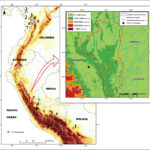
Nymphargus humboldti inhabits the moist and misty cloud forests primarily found in Colombia and Ecuador, thriving at elevations ranging between 1,200 and 2,400 meters above sea level. These habitats provide the perfect canvas for life’s vivid tapestry—a realm perpetually veiled in clouds, where emerald foliage covers every available surface and moisture-soaked moss carpets tree trunks and rocks alike.
A Home Among Clouds and Streams#
The lives of these small, intricate frogs revolve around permanent, fast-flowing, crystal-clear streams. Here, dense vegetation hangs protectively over the foliage-lined riverbanks, creating an ideal environment for the eggs and tadpoles. Among sweeping palms, trailing lichens, and overarching ferns, the Nymphargus humboldti lives mostly perched upon broad, moist leaves, scarcely larger than an adult thumb.
Their dependency on highly-specific habitats offers insight into the overwhelming importance of habitat protection. Any disturbance to the forest canopy, stream water quality, or humidity levels directly impacts their population, making their ecosystems a critical research and conservation target.
Physical Characteristics#
No description of Nymphargus humboldti can overlook the marvel of its transparent skin, primarily visible on its undersides. Adult frogs typically measure between 23 to 26 mm, a size that belies their incredible beauty and complexity. Viewed from beneath, their translucent abdominal skin reveals internal organs, including their beating hearts, subtly coiling intestines, and sometimes even tiny clusters of eggs in females waiting to be deposited on leaves above forest streams.
Viewed from above, Nymphargus humboldti sports a sparkling, lime-green to emerald-colored back dotted with subtle white speckles, providing ideal camouflage among glistening wet leaves. Their eyes, large and golden, adapted for nocturnal conditions, reflect the mild moonlight filtering through the dense canopy. Such physical traits are elegantly tailored to their secretive, arborial lifestyles in the cloud forest sanctuary.
Behavior and Life Cycle#
Nocturnal Lives in the Canopy#
As nocturnal creatures, Nymphargus humboldti emerge actively at night to feed, socialize, and mate. Their meals predominantly consist of tiny arthropods such as ants, spiders, and delicate insects attracted to streamside vegetation.
The Unique Courtship Dance#
Come nightfall during the rainy season, males descend slightly closer to streams and sing their gentle, chirping calls. These vocalizations, a melodic symphony mingling subtly with the night melody of other forest creatures, attract females for mating. Once a female selects a mate, egg-laying usually takes place on broad, overhanging leaves positioned strategically over streams.
Females carefully deposit transparent spherical eggs enclosed in gelatinous masses, often numbering between 15 to 30 individual eggs. The parental care exhibited by these frogs, though relatively minimal compared to other centrolenids, involves vigilant guarding by male frogs to deter egg predators or parasites, maximizing reproductive success in a highly challenging habitat.
From Egg to Tadpole#
Eggs of Nymphargus humboldti develop over a few weeks, their growing embryos visible as delicate silhouettes beneath the gelatinous envelope. When fully developed, tadpoles break free from their egg capsule, plummeting into the waiting stream waters below, embarking upon a life stage fully aquatic in nature.
As tadpoles, these young glass frogs use specialized mouthparts to cling onto submerged leaves and rocks in their watery habitat, grazing upon periphytic algae and detritus. Complete metamorphosis into adult frogs occurs within several months, marking an evolutionary triumph of adaptability and resilience in these energetic mountain streams.
Ecological Role#
Nymphargus humboldti serves as both predator and prey, playing indispensable roles within the delicate ecological balance of cloud forest ecosystems. As voracious eaters of insects and spiders, these frogs manage insect populations, thereby indirectly contributing to plant pollination and controlling pests.
Equally, however, they sustain populations of predators such as birds, bats, and snakes—their naturally discreet nature and coloration providing vital camouflage against a multitude of threats. Perhaps most significantly, their highly specific habitat needs make them excellent bio-indicators, signaling precise habitat health and stability within sensitive mountainous ecosystems.
Threats and Conservation Status#
Challenges Facing the Cloud Forest Guardian#
Nymphargus humboldti is currently classified as “Vulnerable” on the IUCN Red List, reflecting a degree of threats significantly heightened by human activity. Habitat destruction caused by agriculture expansion, logging, and mineral extraction poses immediate concerns to their delicate habitats. Moreover, changing climatic conditions due to global warming disrupt precipitation patterns critical to their reproductive success and survival.
Additionally, amphibians worldwide, glass frogs included, face threats from the deadly chytrid fungus (Batrachochytrium dendrobatidis), which has decimated populations globally. Concerted conservation efforts are now underway, such as habitat conservation campaigns, reforestation projects, and dedicated research into amphibian diseases, aiming to secure equitable survival chances for Nymphargus humboldti and other vulnerable cloud forest species.
Cultural and Scientific Significance#
Named after Alexander von Humboldt, whose pioneering work influenced contemporary views of ecology and bio-geography, Nymphargus humboldti signifies nature’s intricate interconnectedness and vulnerability. For local indigenous communities, frogs often represent rain-bringing spirits or environmental guardians, further emphasizing this species’ cultural importance intertwined with nature reverence and conservation ethics.
Scientifically, Humboldt’s glass frog offers invaluable insights into amphibian physiology, evolutionary ecology, and biomedical research. Glass frogs’ transparent skin presents opportunities for disease studies and developmental biology research, enabling scientists to understand embryonic development and responses to environmental pollutants in real-time without invasive procedures.
Conclusion#
The captivating beauty and fragile existence of Nymphargus humboldti illustrate clearly the delicate threads connecting all life in Andean forests and beyond. The enchanting yet precarious status of this remarkable species calls upon us all—nature lovers, researchers, environmentalists, and conscious citizens alike—to commit to understanding, communicating, and protecting not just this amphibian jewel, but the precious natural world it represents. Supporting efforts in conservation, sustainable living, and ecological education brings us ever closer to securing a future where creatures as elusive and beautiful as Humboldt’s glass frog continue to enchant generations to come.