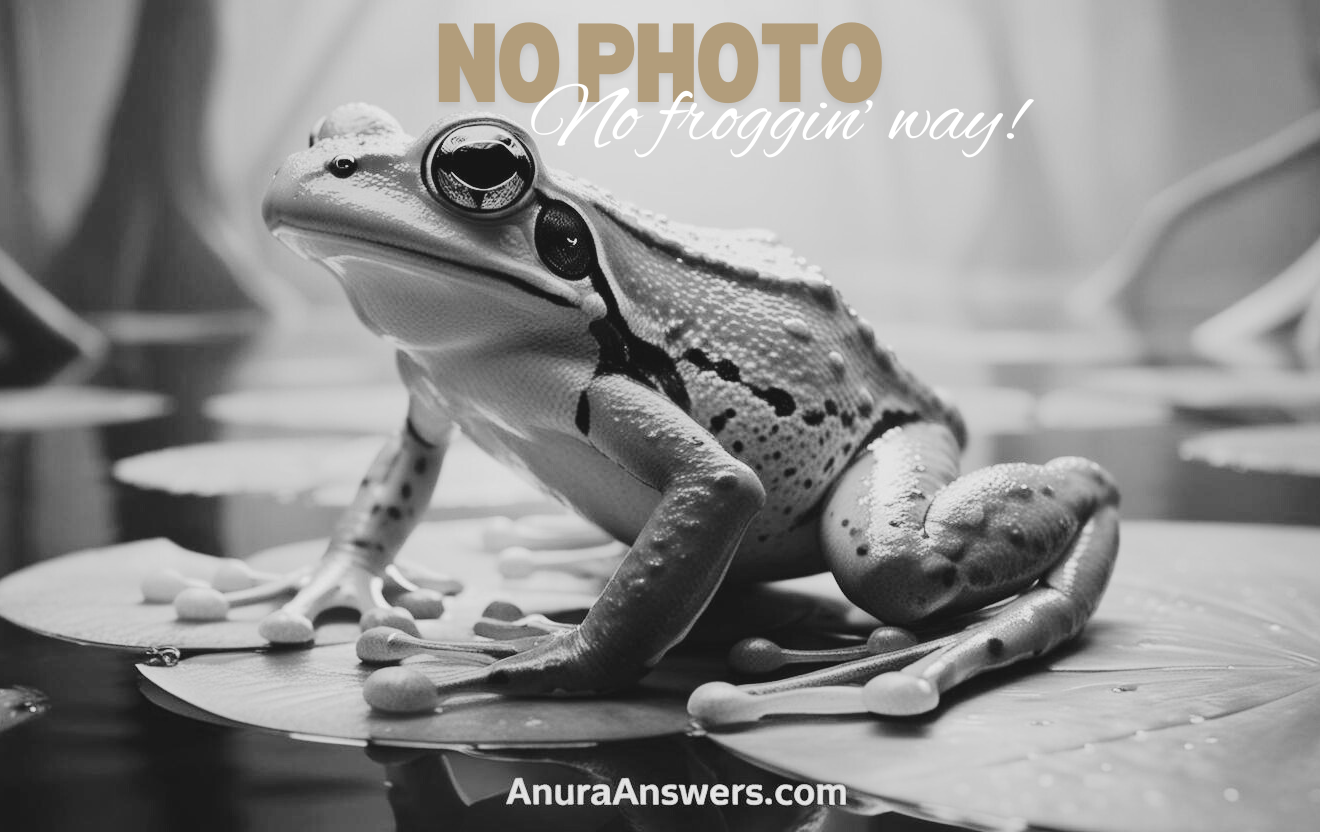
Discovering Centrolene kutuku: Exploring the Intricate World of the Kutukú Glass Frog#
Deep within the lush, mist-shrouded forests of Ecuador’s mesmerizing Kutukú mountain range lives a mysterious and enchanting creature. With translucent skin that glistens like delicate glass, Centrolene kutuku—the Kutukú Glass Frog—invites fascination and wonder for those lucky enough to encounter it. Hidden amongst the dense foliage, residing along clear rushing streams and sheltered beneath leaves that shimmer with moisture, this remarkable amphibian is still shrouded in scientific intrigue. Despite its tiny size, this frog plays a significant role in the health and balance of its delicate rainforest habitat.
If you’re captivated by the delicate beauty and hidden wonders of Earth’s biodiversity, then journey with me to uncover the secretive life, critical ecological roles, and urgent conservation challenges facing Centrolene kutuku.
Taxonomy and Classification#
Centrolene kutuku is a unique member of the Centrolenidae family, better known collectively as the glass frogs. First scientifically described in 2012, this species belongs to the genus Centrolene, a fascinating group expressing diverse adaptations suited to wet, tropical climates and habitats.
Beloved by herpetologists, the Centrolenidae family comprises over 150 known species, each characterized primarily by their partially transparent skin, giving glimpses into their internal organs. Within this large family, the genus Centrolene is particularly intriguing, recognized commonly for their vivid green coloration, subtle patterns, and transparent belly allowing clear views of their beating heart and complex circulatory networks.
Centrolene kutuku itself was named after the stunningly biodiverse Kutukú Cordillera—a remote mountain range with challenging terrain, which makes scientific expeditions rare and exciting, often revealing previously unknown species. Its close relatives include Centrolene lynchi and Centrolene bacatum, species that share both geographical proximity and similar habitat preferences.
Natural Habitat#
The Kutukú Glass Frog is native exclusively to the lush cloud forests and montane ecosystems of southeastern Ecuador. More specifically, it inhabits the region surrounding the Cordillera of Kutukú in the Morona-Santiago Province. These forests represent some of the world’s richest biodiversity hotspots, characterized by steep mountain slopes shrouded in mist, dense layers of vibrant mosses, ferns, bromeliads, and a complex system of rushing streams and waterfalls.
Centrolene kutuku favors altitudes from approximately 1,500 to 2,000 meters above sea level. In this misty elevational layer, moisture is always abundant, and humidity pervades every leaf and branch. These conditions provide the ideal microclimate and perfect refuge for their sensitive, water-dependent skin.
While these small amphibians are often elusive, they prefer habitats situated around clear, fast-flowing mountain streams, usually settling on the undersides of broad-leaved vegetation or near forest waterfalls. The rippling water that dances beneath the foliage creates not only essential ecological resources but also serves as vital spawning habitats essential to their reproduction and early life stages.
Physical Characteristics#
Centrolene kutuku epitomizes the delicate, ethereal beauty characteristic of glass frogs. Adults are small, typically measuring around 20-30mm from snout-to-vent. Their slender and fragile build allows them to gracefully navigate through dense vegetation, giving the impression of small emerald jewels set subtly among rainforest leaves.
Perhaps their most striking feature is their semi-transparent abdominal skin, a mesmerizing hallmark of their glass frog lineage. This translucency reveals their internal anatomy, offering stunning visibility of their heart pulsing rhythmically, digestive organs gently shifting movements, and blood vessels intricately networked beneath their delicate skin.
The dorsal side—from their pointed snout to their agile hind limbs—is generally a vibrant lime or emerald green, punctuated occasionally by tiny pale speckling or faintly golden highlights. These physical traits facilitate remarkable camouflage, helping them blend effortlessly into the lush greenery abundant in their cloud forest homes.
Large, expressive eyes sit prominently on their heads, reflecting ambient moonlight and enhancing their nocturnal visibility. Their eyes display striking golden irises with horizontal pupils, adapted perfectly for hunting insects in dim forest conditions during twilight or night.
Behavior and Life Cycle#
As the sunlight fades and shadows begin to dance across forest streams, Centrolene kutuku emerges into activity. Its nocturnal lifestyle is ideally suited to its rainforest habitat, where darkness and humidity provide beneficial conditions for hunting and reproduction.
Feeding Behavior and Diet#
The Kutukú Glass Frog is an agile and adept insectivore. It feeds primarily on an assortment of small insects, including ants, flies, spiders, moths, and various soft-bodied arthropods. Using its keen eyesight and remarkable jumping abilities, this delicate predator carefully surveys its surroundings, poised silently under a leaf or branch before swiftly extending its long, sticky tongue to capture unsuspecting prey.
Breeding and Parental Care#
The reproductive behavior of Centrolene kutuku is both fascinating and symbolic of the deep connectivity of life in its natural habitat. Males establish calling territories along streams and foliage edges, emitting distinctive, enchanting chirps and trills to attract prospective mates.
Once a female is drawn to a male’s call, courtship occurs on carefully chosen vegetation directly above swiftly flowing streams. Unique among amphibians, glass frogs are known for their meticulous reproductive habits, often laying their gelatinous egg masses underneath leaves poised above water, providing essential protection and moisture for developing embryos.
Intriguingly, male Kutukú Glass Frogs frequently exhibit parental care—guarding their eggs fiercely against potential predators, using their small bodies as shields and keeping egg masses hydrated through periodic moisture transfers until the eggs hatch into tadpoles. Upon hatching, these larvae instinctively drop into the fast-flowing streams beneath, where they will continue growing and undergo vital metamorphosis into tiny frogs ready to venture into their terrestrial and arboreal lives.
Ecological Role#
Centrolene kutuku may be diminutive in stature, but its ecological role fosters significant reverberations across its habitat. These frogs are critical indicators of environmental health, quickly responding to any subtle shifts in habitat quality, climate conditions, or ecological imbalance. Due to their semi-aquatic life cycle, sensitivity to pollutants, and highly specialized microhabitat requirements, they serve as a natural “alarm” system for biologists studying broader ecosystems.
Furthermore, the Kutukú Glass Frog occupies an essential position within rainforest food webs, regulating insect populations and providing nourishment to predators such as snakes, larger frogs, small mammals, and birds. Their presence helps maintain balance and richness within the interconnected fabric of life in these cloud forests.
Threats and Conservation Status#
As with many amphibians worldwide, Centrolene kutuku faces ongoing threats and conservation challenges. Although detailed population studies on this species remain scarce due to its remote range and cryptic nature, known threats include habitat degradation, deforestation, climate change, and pollution of freshwater systems.
Globally, amphibians face significant declines driven largely by environmental fragmentation, disruption, and infectious diseases such as chytridiomycosis, a fungal infection affecting many frog species globally. Given these vulnerabilities, conservation scientists emphasize the urgent need for habitat protection initiatives, sustainable land-use management, and comprehensive field studies to gather reliable population data.
Currently, Centrolene kutuku is classified by IUCN as “Data Deficient,” underscoring the necessity for increased research, monitoring, and conservation efforts to ensure this beautiful amphibian continues thriving in its natural habitat.
Cultural and Scientific Significance#
In addition to their ecological significance, glass frogs hold deep cultural resonance for local communities in indigenous Amazonian and Andean cultures. Often symbols of transparency, purity, health, or harmony with nature, these frogs symbolize rainforest biodiversity and the interconnectedness of life for communities inhabiting regions rich with biological diversity.
Scientifically, Centrolene kutuku and glass frogs broadly inspire considerable research interest due to their fascinating translucency, uncommon reproductive behaviors, and sensitivity to climatic changes. As indicator species, they offer profound insight into understanding the impacts of global change, leading potentially to advancements in conservation science, habitat management, and environmental policy-making.
Conclusion#
The astonishing Centrolene kutuku serves as a captivating reminder of the delicate beauty, unique adaptability, and profound interconnectedness found within Earth’s ecosystems. By exploring the remarkable biology and ecology of the Kutukú Glass Frog and acknowledging the uncertainties and conservation challenges threatening its survival, we deepen our understanding and appreciation for biodiversity.
As stewards of our natural world, we have the responsibility to cherish and protect the habitats of unique organisms such as Centrolene kutuku. Together, let us support conservation initiatives, remain curious about the wonders of nature, and stand united in safeguarding the priceless biodiversity that enriches our planet.