- Exploring the Enchanting World of Centrolene acanthidiocephalum: The Lesser-Known Jewel of Cloud Forests
- Taxonomy and Classification of Centrolene acanthidiocephalum
- A Habitat Shrouded in Mist: Cloud Forest Sanctuaries
- Visual Magnificence: Physical Traits of Centrolene acanthidiocephalum
- The Subtle Rhythms of Life: Behavior and Breeding Habits
- Integral Threads in the Web of Life: Ecological Importance
- Facing Existential Threats: Conservation Status Challenges
- Cultural and Scientific Significance: Beyond Ecological Boundaries
- Conclusion: Preserving the Jewel of the Misty Mountains
Exploring the Enchanting World of Centrolene acanthidiocephalum: The Lesser-Known Jewel of Cloud Forests#
Beneath the moist canopy layers of tropical cloud forests, where droplets dance gently from moss-covered branches onto vibrant ferns and bromeliads, a tiny amphibious jewel awaits discovery. This treasure is none other than Centrolene acanthidiocephalum, a mesmerizing species belonging to the enigmatic world of glass frogs. Named for their incredible transparency, glass frogs possess skin so clear that their internal organs display openly to the naked eye. Among these exquisite creatures, the Centrolene acanthidiocephalum stands remarkably distinct yet subtly elusive, captivating both scientists and nature enthusiasts alike.
Scientifically intriguing and ecologically vital, this glass frog species unlocks mysteries about rainforest health, amphibian evolution, and environmental resilience. Surprisingly elusive yet remarkably beautiful, C. acanthidiocephalum embodies the intricate interconnectedness of the ecosystems they call home, offering us deeper insights into the fragile balance sustaining rainforest habitats.
Taxonomy and Classification of Centrolene acanthidiocephalum#
Belonging proudly to the vast amphibian kingdom, Centrolene acanthidiocephalum is a member of the family Centrolenidae—a group widely recognized as “glass frogs” due to their fascinating transparent bellies. Within this family, multiple genera thrive, each boasting unique adaptive strategies. Falling under the genus Centrolene, our particular species exhibits various defining morphological characteristics, behaviors, and habitat preferences unique to this lineage.
The name itself, acanthidiocephalum, hints at its distinctiveness—%u2018acanthideo%u2019 refers to spiny or thorn-like features, and %u2018cephalum%u2019 indicates %u2018head,%u2019 speaking volumes about its unique cranial structures. While visually subtle upon first glance, these features reveal the intricately innovative evolutionary paths that life can take in biodiverse habitats such as cloud forests.
A Habitat Shrouded in Mist: Cloud Forest Sanctuaries#
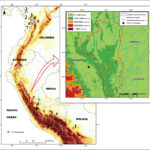
Centrolene acanthidiocephalum thrives predominantly within moist montane forests, commonly termed cloud forests, ranging primarily through the lush high-altitude regions of Ecuador and southern Colombia. These delicate habitats offer unique conditions—dense, perpetual mist, consistent rainfall patterns, cooler temperatures, and abundant vegetation—that allow specialized species like glass frogs to flourish.
These enchanting forests grow at altitudes between roughly 1600 to 2100 meters, where moisture-laden air from lowlands ascends and condenses, continuously enveloping vegetation in wisps of ethereal cloud. Here water droplets saturate mosses, ferns, orchids, and towering bromeliads that carpet their homes, creating a verdant paradise perfectly suited for the tiny amphibian.
This incredible richness supports a remarkable biodiversity, from vividly colored insects and meticulous hummingbirds to elusive mammals and delicate amphibians like C. acanthidiocephalum. Beneath the tranquil atmosphere and mesmerizing foliage lies a vibrant tapestry of life, delicately balanced yet deeply threatened by anthropogenic activities.
Microhabitat Preferences: Streams, Leaves, and Mossy Branches#
The blunt-headed glass frog exhibits a particular fondness for pristine forest streams, where gentle rivulets carve delicate pathways through verdant undergrowths. Here, it situates itself on vegetation overhanging clear, flowing waters during its reproductive phases—a strategic choice to keep eggs safely elevated and offer immediate access for emerging tadpoles.
During rainy seasons, observers might encounter this mesmerizing little frog poised gracefully on broad leaves and moss-covered branches, its translucent limbs gently folded. Observing the animal in its natural splendour requires patience and a sharp eye, as its small stature and cryptic coloration provide effective camouflage against potential predators.
Visual Magnificence: Physical Traits of Centrolene acanthidiocephalum#
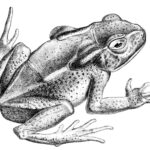
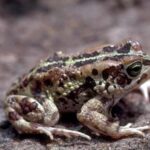
At first encounter, its small size—rarely exceeding 30 millimeters in total length—belies its biological significance. Yet, a closer examination showcases an animal exquisitely adapted to its ecological niche. The dorsal coloration is typically bright green to emerald, often speckled subtly to mimic the dapples of sunlight filtering through dense canopy above.
Beneath, however, is where its extraordinary nature truly manifests. The ventral side of Centrolene acanthidiocephalum is utterly transparent, allowing observers to marvel freely at the workings of internal organs, including the rhythmic pulsing of its delicate heart. Moreover, its enlarged eyes—golden in hue with horizontal black pupils—grant exceptional nocturnal vision, crucial for locating prey in the subdued nighttime luminosity characteristic of dense rainforest environments.
Yet, among their most remarkable physical adaptations are the prominent bony spines projecting subtly from their heads, giving rise to their descriptive Latin name and creating a notable structural distinctiveness within their genus.
The Subtle Rhythms of Life: Behavior and Breeding Habits#
Predominantly nocturnal, the blunt-headed glass frog reveals its full vitality after dusk. Under cover of darkness, it transforms from a quiet, tucked-away leaf dweller to a lively participant in the rainforest orchestra. Male frogs, driven by reproductive urgency, call melodiously from elevated vegetation beside streams, their soft vocalizations blending harmoniously into the gentle nocturnal tapestry.
Egg-laying habits are equally fascinating and adaptive: females thoughtfully place clusters of eggs on leaves hanging over pristine waters, a behavior significant in providing protection against aquatic predators. Here, the male reliably assumes parental duties, carefully guarding his progeny from insect predation and dehydration. Mist from gentle humidity cling persistently, maintaining critical moisture for the gelatinous eggs until tiny tadpoles fully develop, drop safely into streams, and continue their metamorphic journeys beneath the crisp forest waters.
Integral Threads in the Web of Life: Ecological Importance#
As both predator and prey, the ecological role of Centrolene acanthidiocephalum is quietly profound. Their diet mainly consists of small insects—including tiny flies, spiders, and mites—positioning them firmly as natural pest controllers within their habitats.
Equally vital is their status as prey, supporting the dietary needs of various nocturnal predators, including snakes, birds, mammals, and even larger insects and arachnids. This complex network continually balances itself, with glass frogs perfectly positioned as both predator and prey, reflecting a carefully maintained ecological equilibrium.
Furthermore, as sensitive indicators of water quality, amphibians like C. acanthidiocephalum provide essential insights into the overall environmental health of their habitats. Any decline in their populations sounds subtle yet urgent alarms signaling larger environmental concerns, including habitat degradation or pollution, prompting immediate conservation action.
Facing Existential Threats: Conservation Status Challenges#
Despite their ecological significance, glass frogs worldwide face numerous challenges, and Centrolene acanthidiocephalum is no exception. Classified by the International Union for Conservation of Nature (IUCN) as “Near Threatened,” its populations face persistent pressures from habitat loss due to agricultural expansion, deforestation, and pollution.
Moreover, climate change poses a creeping and substantial threat as shifting temperatures and rainfall patterns disrupt the delicate moisture gradients essential for cloud forests ecosystems. The frogs’ sensitivity makes them especially vulnerable, their populations gradually diminishing across impacted habitats.
Comprehensive conservation initiatives—including habitat preservation, reforestation projects, water-quality monitoring, educational outreach, and establishment of protected reserves—emerge as indispensable strategies in securing the species’ survival for future generations.
Cultural and Scientific Significance: Beyond Ecological Boundaries#
In many indigenous cultures living in close harmony with cloud forests, glass frogs represent living symbols of delicate environmental balance and resilience. Additionally, scientifically, species such as Centrolene acanthidiocephalum contribute invaluable insights into amphibian biology, aiding researchers in understanding evolutionary adaptations, toxin resistance, and environmental indicators essential for proactive conservation strategies.
Conclusion: Preserving the Jewel of the Misty Mountains#
Centrolene acanthidiocephalum, the remarkable blunt-headed glass frog, encapsulates the vulnerability and wonder of cloud forest biodiversity. Appreciating their extraordinary beauty and ecological roles deepens understanding, nurtures compassion, and motivates us all to champion their survival and the preservation of the irreplaceable forests they inhabit. Let awareness transform into conservation action, ensuring future generations might also share in the quiet, mesmerizing presence of this frog, truly the jewel of cloud forests.