- Unveiling the Hidden World of Telmatobufo ignotus: Chile's Enigmatic Mountain Frog
- Taxonomy and Classification
- Natural Habitat: The Verdant Sanctuaries of Central Chile
- Physical Characteristics: Masters of Cryptic Camouflage
- Behavior and Life Cycle: Voices in the Mountain Twilight
- Ecological Role: Guardians of Stream Health
- Threats and Conservation Status: A Fragile Existence Threatened by Modernity
- Cultural and Scientific Significance: Silent Ambassadors for Conservation
- Conclusion: Preserving an Unseen Treasure
Unveiling the Hidden World of Telmatobufo ignotus: Chile’s Enigmatic Mountain Frog#
There are creatures amongst us who remain almost invisible, secret inhabitants whose lives unfold quietly beneath layers of vegetation, rock, and earth. Among these mysterious denizens is a frog that spends most of its existence in subtle obscurity: Telmatobufo ignotus. Its very name, ignotus—Latin for “unknown”—aptly captures the elusive nature of this amphibian, whose quiet presence is restricted to a small, fragile pocket of the world. Let’s explore the engrossing story of this shy mountain-dweller, the intricately woven tapestry of its life, and the urgent necessity of safeguarding its vulnerable and little-known existence.
Taxonomy and Classification#
Telmatobufo ignotus falls within the family Calyptocephalellidae, a small group of frogs uniquely indigenous to Chile. The Telmatobufo genus itself harbors deeply specialized amphibians, frequently adapted to peculiar habitats in mountainous or temperate forest regions. First scientifically described in 2010 by Cuevas, Formas, and Nuñez, this species stirred immediate curiosity due to its rarity and highly localized distribution. Telmatobufo ignotus shares its genus with only a handful of other species such as Telmatobufo bullocki and Telmatobufo venustus, all of which exhibit similarly elusive and cryptic behaviors, making field observations and studies particularly challenging.
Natural Habitat: The Verdant Sanctuaries of Central Chile#
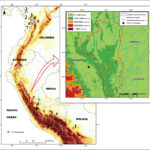
Hidden beneath the mist-laden canopies of Chile’s temperate forests in Región del Maule and Región del Libertador General Bernardo O’Higgins, Telmatobufo ignotus dwells in quiet sanctuaries carved by steady mountain streams. With altitudes typically ranging from 600 to 1,300 meters above sea level, these frogs find refuge near lush, riparian corridors and verdant forest understories. Their existence intricately ties to water—pristine streams flowing slowly, carpeted by moss-covered rocks and shaded by dense foliage, define their preferred habitat.
Each rippling streambed or waterlogged forest floor harbors complex ecological interactions, facilitated by careful equilibrium. These moist, cool micro-habitats supply the amphibians with a dependable water source vital to skin regulation, breeding processes, and ultimately survival itself. The health of these streams, maintaining consistent flow rates and moderate temperatures, plays an essential and direct role in the sustained presence of this rare mountain frog.
Physical Characteristics: Masters of Cryptic Camouflage#
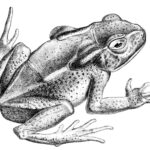
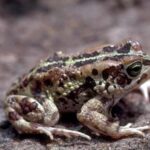
What sets Telmatobufo ignotus apart first is its striking yet subtle appearance. Adult frogs range in size between 45 and 50 mm, their modest stature echoing the gentleness of their temperate-forest homes. The remarkably textured skin, shades of olive-green, brown, and mottled grey bezelled with granular patterns, provides perfect camouflage against rocky substrates and damp leaf litter. A closer look reveals their intricate patterns—an abstract natural artwork sensibly adapted to concealment among twigs, stones, and mossy patches carpeting the forest floor.
Their bodies, compact and robust, reflect their terrestrial lifestyle. Forelimbs adapted for burrowing and climbing assist their secretive navigations along stream-banks and across leaf litter. Eyes, gold or bronze-hued with horizontally elliptical pupils, provide piercing clarity of vision in dimly lit understories, allowing these amphibians to deftly maneuver through shadowy spaces safely hidden from predators above.
Behavior and Life Cycle: Voices in the Mountain Twilight#
As dusk settles gently over the mountainside, Telmatobufo ignotus begins its modest nocturnal routine. Quietly emerging from under logs, moss layers, or rocky crevices, individuals cautiously navigate their microhabitats, utilizing the protective cloak provided by darkness. Though typically solitary and elusive, breeding periods unveil brief congregational behavior, where males gather, initiating an enchanting symphony—soft calls punctuating the tranquil mountain twilight. These mating choruses, tremulous trills and subdued croaks, resonate softly over the gently flowing waters, drawing females to particular sites chosen meticulously by males.
Upon successful pairing, females deposit clusters of gelatinous eggs in clear water pools or slow-flowing pockets of streams. Each gelatin-enshrouded embryo incubates safely beneath the protective waters, destined to metamorphose into vibrantly adapted tadpoles. Larvae of Telmatobufo ignotus uniquely favor sandy-gravel substrates, sinking deep into safe pockets beneath gentle currents or protected eddies, where particulate matter, algae, and microscopic invertebrates form their first nutritious meals. Metamorphosis soon delivers miniature replicas of adults, instinctively attuned to the ways of their hidden world.
Ecological Role: Guardians of Stream Health#
A single species within a forest can have a profound ecological effect, quietly safeguarding the minuscule, delicate balances that underpin entire ecosystems. Telmatobufo ignotus plays exactly such a nuanced yet pivotal role within its Chilean habitat. Consuming a variety of insects and other small invertebrates, they provide significant controls over insect populations, indirectly benefiting plant life—thus reinforcing entire ecological webs.
Conversely, these frogs themselves serve as prey, playing their part within the delicate interplay of predation. Adept camouflage, meticulous nocturnal activities, and skilful evasive behaviors hardly shield them entirely from predators like snakes and larger birds exploiting these forests’ niches. These interactions showcase vibrant connections that emphasize how vital yet vulnerable Telmatobufo ignotus remains to broader ecosystem health. Their very presence acts as a tangible indicator of environmental quality—robust populations suggest harmonious forest-stream ecosystems; declining numbers often signal environmental distress.
Threats and Conservation Status: A Fragile Existence Threatened by Modernity#
Nameless lands themselves bear witness to increasingly harsh changes threatening this elusive species. Habitat destruction—largely through logging, agricultural encroachment, and infrastructure advancement—exacts an unprecedented toll, fragmenting ecosystems and isolating populations. Peer carefully beneath the lush forest cover, and signs of human-induced stress appear readily—pollution, sedimentation, invasive species, and altered water flow patterns severely impair stream conditions vital for this sensitive amphibian’s survival.
Further exacerbating the situation, climate change accelerates ecological shifts, intensifying drought frequency, reducing stream volumes, and unpredictably altering temperatures of once temperate forested highlands. These changes push Telmatobufo ignotus to precarious survival thresholds, compelling conservationists towards urgent protective actions. Currently categorized as “Data Deficient” by the International Union for Conservation of Nature (IUCN), the absence of comprehensive data itself constitutes a vulnerability, emphasizing critical needs for targeted research and monitoring efforts within these remote habitats.
Cultural and Scientific Significance: Silent Ambassadors for Conservation#
Though historically unnoticed by broader human society, Telmatobufo ignotus nonetheless embodies profound cultural and scientific relevance. Indigenous Mapuche communities dwelling nearby subtly revere frogs and amphibians as indicators of balance within environments. Observational traditions recognizing amphibians as barometers of environmental harmony persist quietly, expressing indigenous insights now scientifically validated.
Moreover, Telmatobufo species intrigue academics, geneticists, ecologists, and bioindicator researchers alike, highlighting the profound interconnectedness supported by this obscure amphibian. As increasingly rare, genetically unique members of Chile’s fauna, these frogs compel discoveries about environmental sensitivity, endemic adaptations, and ecological integrity—each insight invaluable towards global conservation strategies.
Conclusion: Preserving an Unseen Treasure#
Telmatobufo ignotus, overshadowed by more charismatic and accessible wildlife, humbly persists amidst habitat vulnerabilities, silently singing in twilight streams. Their critical ecological roles, unique biological adaptations, and enigmatic behaviors demand our attentive care. Engaging with their preservation entails immediate action in habitat conservation, ecological study expansion, and environmental awareness cultivation.
As stewards of our planet’s extraordinary yet fragile biodiversity, we share responsibilities toward creatures like this quiet mountain frog. Let us heed their whispered choruses, dedicating ourselves to protecting them, ensuring this anuran continues to quietly flourish, hidden yet vibrant, within Patagonia’s misty, mountainous heart.