- Introduction: Exploring the Hidden World of Telmatobufo bullocki
- Taxonomy and Classification: Understanding Telmatobufo bullocki
- Natural Habitat: A Frog of Mists and Mountains
- Physical Characteristics: Adaptations for Secretive Survival
- Behavior and Life Cycle: Secretive Lives in Flowing Waters
- Ecological Role: Indicator Species of Chile's Temperate Forests
- Threats and Conservation Status: Protecting Chili's Ecological Treasures
- Cultural and Scientific Significance of Telmatobufo bullocki
- Conclusion: The Call to Conservation Action
Introduction: Exploring the Hidden World of Telmatobufo bullocki#
In the shadowy streams and mossy crevices of Chile’s temperate rainforests, a mysterious amphibian quietly persists, rarely observed and understood by only a handful of dedicated scientists and nature enthusiasts. Telmatobufo bullocki, commonly known as Bullock’s False Toad, is an elusive anuran whose existence seems more legend than reality. Even for dedicated conservationists and researchers, sightings of this cryptic frog are remarkable events to cherish.
Named in honor of naturalist and ornithologist Dillwyn Bullock, who explored the lush temperate woodlands of southern Chile, Telmatobufo bullocki embodies the spirit of remote wilderness. Striking a fragile balance on the knife-edge between survival and extinction, its very presence is an indicator of the health and biodiversity of its ecosystem. Before we dive deeper into the fascinating biology, subtle behaviors, and conservation challenges affecting this species, let us reflect briefly on why such creatures captivate and inspire us in the first place.
Amphibians, especially vulnerable frog species like Telmatobufo bullocki, serve as ecological antennae, sensing and reflecting changes in environmental quality before human researchers can fully grasp the extent of damage. Thus, understanding and ensuring the survival of these remarkable frogs not only protects biodiversity but also becomes a mirror into our own environmental ethics and responsibility.
Taxonomy and Classification: Understanding Telmatobufo bullocki#
Telmatobufo bullocki belongs to the intriguing family Calyptocephalellidae, a group deeply tied to South America’s unique biological legacy. Within this lineage, the genus Telmatobufo encompasses a small set of species endemic exclusively to southern Chile. The family itself represents an ancient group of amphibians—a testament to Earth’s geological and evolutionary history—dating back millions of years and bearing witness to great climatic and tectonic changes.
Its scientific classification is as follows:
- Kingdom: Animalia
- Phylum: Chordata
- Class: Amphibia
- Order: Anura
- Family: Calyptocephalellidae
- Genus: Telmatobufo
- Species: Telmatobufo bullocki
Close relatives include Telmatobufo australis and Telmatobufo venustus, fellow Chilean amphibians who also quietly carve out lives beneath the dense foliage. Yet despite their close genetic bond, each species has evolved unique adaptations to their specialized habitats—underscoring the incredible biodiversity and ecological nuance abundant in these forests.
Natural Habitat: A Frog of Mists and Mountains#
Geographic Range and Distribution#
Telmatobufo bullocki is endemic to Chile; its distribution is limited almost exclusively to the temperate rainforests of the central-southern Andean foothills. Specifically, populations have been documented primarily in the regions of Bio-Bio and Araucanía. Often hidden in isolated mountain streams and ravines, they live in patchy distributions, separated by steep slopes and dense vegetation.
The Preferred Habitat of a Forest Specialist#
Immersing ourselves into Telmatobufo bullocki’s habitat is like entering a fairy-tale forest, a place of perpetual mist and constant dampness. Ferns and moss-covered tree trunks dominate the landscape, while swift mountain brooks carve intricate designs into the rocky terrain. Beneath fallen logs, leaf litter, and dark crevices along stream banks, Telmatobufo bullocki finds both refuge and prime hunting territory, favoring the secrecy and protection offered by such microhabitats.
These frogs thrive in regions with abundant rainfall and moderate temperatures. Clear, cold, oxygen-rich freshwater bodies offer ideal breeding sites, essential for their egg-laying and larval development. The moisture-saturated microcosms within their habitats guarantee proper hydration for their sensitive, permeable skin, illustrating a delicate balance between frog physiology and the environment.
Physical Characteristics: Adaptations for Secretive Survival#
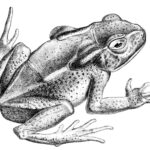
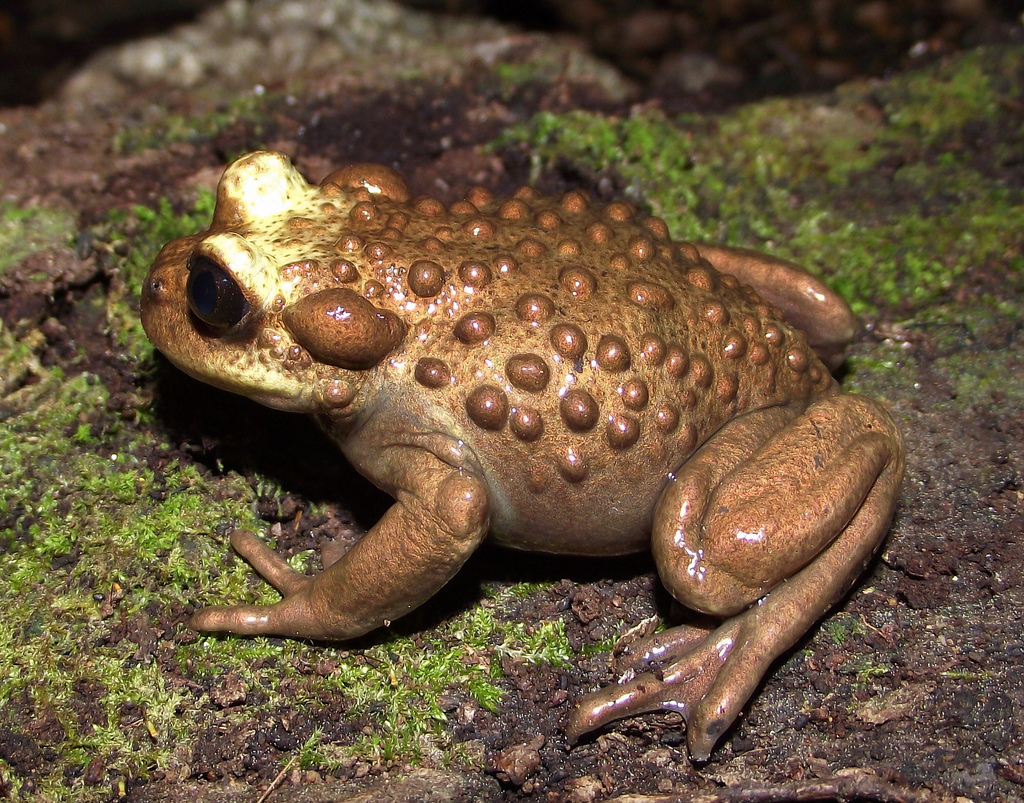
On first glance, Telmatobufo bullocki may appear inconspicuous or even unremarkable; yet their appearance merits closer inspection. Adult individuals typically measure between 4 to 7 centimeters in length, stout-bodied, robust in shape, and featuring distinctively glandular and bumpy skin texture, lending a slightly toad-like appearance despite being true frogs.
Their coloration—shades of dark mossy green, brown, or gray—provides perfect camouflage against the damp vegetation and rocky terrain of their forest homes. Subtle darker patterning helps break up their outline, making them nearly invisible to both prey and potential predators alike.
One particularly noteworthy adaptation is their large, bulging eyes set high upon their heads. These eyes afford excellent visibility in the dim forest understory, allowing the frog to detect even subtle movements of insects and other small prey items. The sturdy limbs and strong webbed hind feet are perfectly adapted for navigating rugged stream banks and ascending slippery surfaces with incredible agility, crucial for escaping an array of potential predators.
Behavior and Life Cycle: Secretive Lives in Flowing Waters#
Feeding Habits and Hunting Techniques#
Telmatobufo bullocki is primarily insectivorous, ambushing an array of insects, including flies, beetles, and spiders that venture too close. With patient stillness, these frogs wait motionlessly along their favored hiding spaces, ready to unleash rapid lunges toward unsuspecting prey. Their lightning-fast tongue action and precise jumping style make escape nearly impossible once a target has been sighted.
Breeding and Tadpole Development#
The breeding behavior of this elusive amphibian is closely coupled to freshwater streams, specifically pristine mountainous sources fed by frequent rainfall. Breeding occurs mainly during the wet season, when an abundance of flowing water creates ideal conditions for eggs and larvae.
Females deposit clusters of eggs submerged under leaf litter or rocks along streambeds. Astonishingly, these eggs and subsequent tadpoles exhibit remarkable adaptations to strong stream currents, using specialized oral suction structures to adhere tightly to submerged surfaces, avoiding being swept away. The fully aquatic larvae remain discreetly concealed through careful positioning beneath stream debris, further enhancing their chances of survival until metamorphosis occurs.
Ecological Role: Indicator Species of Chile’s Temperate Forests#
As both predator and prey, Telmatobufo bullocki occupies an important ecological niche within Chilean forests. Feeding on insects, they control certain harmful pest populations, indirectly playing roles in plant pollination and forest vegetation health. They also serve as prey for a number of bigger predators, birds, snakes, and mammals, highlighting the interconnected nature woven intricately into their habitat.
Furthermore, their sensitivity to ecological changes, particularly waterborne pollution, temperature fluctuations, and habitat disturbances, make them invaluable indicators of environmental health.
Threats and Conservation Status: Protecting Chili’s Ecological Treasures#
The IUCN currently classifies Telmatobufo bullocki as Endangered (EN), a sobering indicator of the threats faced. Land-use changes, logging, forest fragmentation, and human-induced water pollution severely compromise suitable habitats. Climate change further exacerbates these threats, potentially altering rainfall patterns and water availability essential for their reproduction and survival.
Conservation programs that protect the delicate forest ecosystems–such as national park establishments and environmental education campaigns–are crucial for maintaining viable populations of this sensitive frog species.
Cultural and Scientific Significance of Telmatobufo bullocki#
While not extensively known to broader culture, Telmatobufo bullocki increasingly symbolizes efforts towards conservation and ecological awareness locally and globally. Scientifically, this species provides researchers with unique insights into evolutionary adaptations and the intricate biodiversity of temperate rainforests, making it an ambassador for protecting their delicate ecosystems.
Conclusion: The Call to Conservation Action#
Telmatobufo bullocki captivates us with its elusive existence, highlighting the interconnected worlds of biodiversity, climate stability, and conservation ethics. Let us embrace our responsibility to protect such wonders, safeguarding not just this fascinating frog, but ultimately our own shared planet.