- Introduction: Encountering Rhinella leptoscelis
- Taxonomy and Classification
- Natural Habitat: The Forest Floor of Tropical America
- Physical Characteristics: Camouflage and Adaptation
- Behavior and Life Cycle
- Ecological Role: A Key Player on the Forest Floor
- Threats and Conservation Status
- Cultural and Scientific Significance
- Conclusion: Safeguarding a Silent Ambassador of Biodiversity
Introduction: Encountering Rhinella leptoscelis#
The dense foliage of tropical forests hums gently with life, a continuous symphony orchestrated by innumerable creatures, each playing its part in the delicate harmony of nature. Among these subtle performers is Rhinella leptoscelis, a fascinating amphibian known to herpetologists as the slender-legged toad. Despite its understated beauty and essential ecological role, Rhinella leptoscelis remains relatively unknown to the broader audience. Yet, upon closer inspection, this amphibian reveals stories of adaptation, survival, and ecological interconnectedness that resonate profoundly with natural enthusiasts and conservationists alike.
Living inconspicuously across lush forests from western Colombia to Panama, the slender-legged toad quietly contributes to the balance of its ecosystem. With cryptic coloration that conceals it away from casual observers, this species epitomizes nature’s subtle beauty. What is truly remarkable about this species—and something that often surprises those first becoming acquainted—is its ability to blend so seamlessly into the leaf litter that it virtually disappears, an adaptation crucial in the predator-heavy environments where it resides.
Taxonomy and Classification#
The slender-legged frog’s scientific name, Rhinella leptoscelis, provides insight into its evolutionary origins and characteristics. Classified within the Bufonidae family, commonly known as true toads, the genus Rhinella includes a diverse range of species across Central and South America. Like its congeners within Rhinella—which translates roughly to “nose-diminutive,” hinting at the often subtle snouts and facial features—Rhinella leptoscelis exhibits the characteristic morphological and behavioral traits typical to many of its relatives.
First described scientifically in 1990 by renowned herpetologist Jay M. Savage, the species name leptoscelis derives from Greek roots meaning “thin leg,” a nod to the species’ slender hind limbs which uniquely distinguish it from close relatives like Rhinella marina or Rhinella horribilis.
Natural Habitat: The Forest Floor of Tropical America#
Geographic Range#
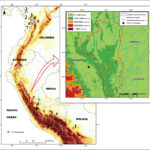
Rhinella leptoscelis primarily inhabits the moist, tropical lowland forests of western Colombia’s Pacific region—particularly in Chocó Department—and extends northward through Panama to the Darien Gap. This narrow yet ecologically significant distribution confines the slender-legged toad to one of the world’s biodiversity hotspots.
Habitat Preferences and Ecological Adaptation#
Within this lush and damp realm, the slender-legged toad thrives primarily on the shaded rainforest floor, often hiding under rotting wood, dense leaf litter, or amidst damp mosses of the understory. Here, the environment’s perpetual humidity and moderate temperatures create ideal conditions for skin respiration, a crucial physiological process for amphibians.
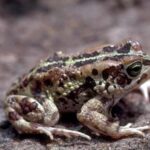
The moisture-saturated air of its habitat aids in skin respiration and minimizes water loss, essential adaptations that enable Rhinella leptoscelis to survive comfortably outside aquatic habitats regularly associated with amphibians. Its cryptic coloration, ranging from muted browns and subtle olive greens to shades reminiscent of wet leaves, allows it to effortlessly disappear from predators, nesting perfectly into its surroundings.
Physical Characteristics: Camouflage and Adaptation#
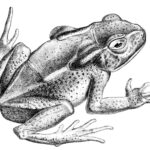
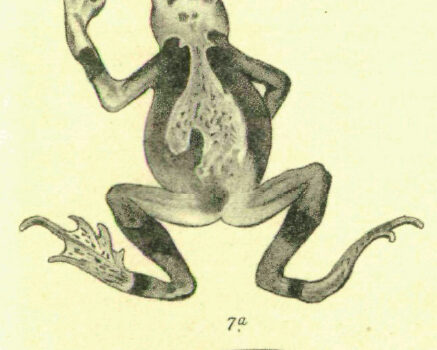
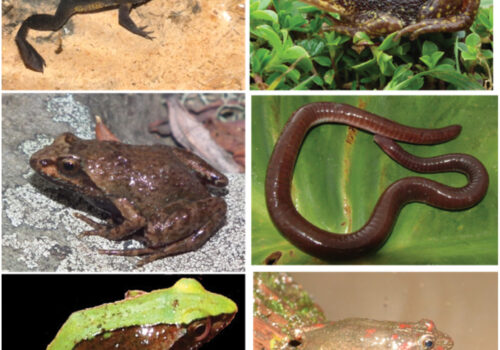
The modest appearance of Rhinella leptoscelis belies its effectiveness in evading predators. Measuring typically around 3 to 5 centimeters in length, these small amphibians possess slender yet muscular hind legs, ideal for sudden escape leaps when needed. True to its name origin, the “thin-legged” feature stands as one of its most distinguishing physical traits and underpins its natural mobility on uneven forest terrain.
Most conspicuous, however, is its rough, warty skin texture dotted with subtle markings that mimic leaf debris and organic decay. Like many Bufonids, slender-legged toads possess parotoid glands situated behind the eyes, which produce mild toxins dissuading many predators. Though not particularly vibrant or startling in coloration, this humble creature excels at blending seamlessly with its habitat—an evolutionary strategy imperative to its ongoing survival.
Behavior and Life Cycle#
Diet and Feeding Habits#
On the forest floor, the slender-legged frog slowly prowls nocturnally, preying upon a variety of small invertebrates, including ants, beetles, spiders, and tiny mollusks. Its feeding method demonstrates remarkable patience, sitting still until prey comes sufficiently close before swiftly snapping it up with a quick flick of its sticky tongue. Patience and stealth, coupled with impeccable camouflage, are thus pillars of its feeding success.
Breeding and Reproduction#
Following heavy rainfall, males gather at small temporary pools or slow-moving forest streams, indicating their presence through soft yet distinct calls intended to attract prospective mates. These choruses—intermittent and gentle compared to louder amphibian counterparts—echo faintly through the nocturnal foliage, forming subtle melodies that blend harmoniously into the broader symphony of rainforest nightfall.
Once mating occurs, females deposit gelatinous strings of eggs underwater or just at the surface of shallow ponds and forest floor puddles. Tadpole development happens quickly within these temporary habitats to ensure completion of their aquatic stage before waters dry or predators invade. The metamorphosis into adult frogs unfolds relatively rapidly, underscoring the importance of these micro-habitats as ecological nurseries.
Ecological Role: A Key Player on the Forest Floor#
Within its restricted yet biodiversity-rich ecosystems, Rhinella leptoscelis holds significant ecological value. By regulating populations of small invertebrates, it provides critical pest control, keeping insect populations balanced. In turn, it serves as prey for numerous predators, including birds, snakes, lizards, and larger amphibians, thus sustaining healthy trophic dynamics within the rainforest environment.
Amphibians like the slender-legged toad also act as crucial indicators of environmental health due to their permeable skins and sensitive physiological makeup. Any changes in climate, pollution, or habitat integrity often first manifest in these moss-covered toads, highlighting their importance in ecological monitoring and conservation strategies.
Threats and Conservation Status#
Despite its hidden existence, Rhinella leptoscelis faces considerable threats linked closely to pressures facing tropical forest biodiversity at large. Habitat destruction caused by deforestation, agricultural expansions, and road-building poses significant challenges to populations, fragmenting their natural habitats and isolating them from essential breeding sites.
Though the International Union for the Conservation of Nature (IUCN) presently classifies Rhinella leptoscelis as Least Concern due to stable localized populations, ongoing deforestation and climate shifts bring increased vulnerability. Disease also poses a threat, notably chytridiomycosis—a fungal infection devastating amphibian populations globally—necessitating proactive conservation initiatives to safeguard this slender-legged treasure.
Cultural and Scientific Significance#
In local areas of Chocó and certain indigenous communities in Panama, small frogs and toads sometimes bear ornamental or symbolic significance, embodied within folklore or cultural heritage expressions related to the balance of nature and coexistence. Though direct cultural narratives involving Rhinella leptoscelis specifically may be limited, its presence enriches regional biodiversity, embodying uniqueness within spiritual and ecological consciousness.
Scientifically, studies involving amphibians such as slender-legged toads enhance our understanding of biological diversity, ecological resilience, and amphibian adaptability. By examining ecological webs and behavioral adaptations, researchers continue to uncover insights valuable for conservation biology and environmental management.
Conclusion: Safeguarding a Silent Ambassador of Biodiversity#
The slender-legged toad, Rhinella leptoscelis, may appear modest compared to the vibrant and dramatic icons of tropical forests. Yet, this amphibian exemplifies biodiversity’s quiet yet powerful elegance, seamlessly integrating into intricate ecosystems while quietly signaling the Earth’s ecological health.
Appreciating this frog species underscores a broader truth: preserving biodiversity requires reverence for all life forms, from the flamboyant to the discreetly hidden. It serves as an ambassador reminding us of the urgent need for conservation, emphasizing our role in safeguarding habitats and their subtle inhabitants for future generations. Let us commit to raising awareness and supporting conservation initiatives, ensuring the slender-legged toad continues its silent, essential symphony within our planet’s rich tapestry of life.