- Unveiling the Remarkable Rhinella iserni: A Journey into the Life of a Lesser-Known Amphibian Gem
- Taxonomy and Classification: Understanding Rhinella iserni's Place in Nature's Family Tree
- Natural Habitat: The Hidden Sanctuary of Rhinella iserni
- Physical Characteristics: Observing The Quiet Elegance of Rhinella iserni
- Behavior and Life Cycle: From Tadpole to Terrestrial Survivor
- Ecological Role: Guardian of Ecosystem Balance
- Threats and Conservation Status: Protecting Rhinella iserni's Fragile World
- Cultural and Scientific Significance: Connecting Human Lives to Rhinella iserni
- Conclusion: Championing Rhinella iserni’s Survival Story
Unveiling the Remarkable Rhinella iserni: A Journey into the Life of a Lesser-Known Amphibian Gem#
Tucked away in the vibrant tapestry of the world’s tropical ecosystems, far from the prying eyes of casual observers, exists a modest yet remarkable amphibian species known as Rhinella iserni. At first glance perhaps overshadowed by more famous jungle fauna, this intriguing frog captivates researchers and naturalists alike, quietly offering profound lessons of adaptation, ecological harmony, and evolutionary resilience.
Belonging firmly within the Bufonidae family—familiarly recognized as “true toads”—Rhinella iserni manages to set itself apart despite its proximity to well-known relatives. Its fascinating biology, adaptive prowess, and crucial ecological roles paint a vivid portrait of amphibian biodiversity in the regions it inhabits. Yet, largely overlooked by popular conservation campaigns, Rhinella iserni deserves its moment in the spotlight. From its secretive habits beneath leaf litter to intriguing strategies that ensure survival, let’s journey deep into the story of this fascinating amphibian, exploring its natural world and significant ecological value.
Taxonomy and Classification: Understanding Rhinella iserni’s Place in Nature’s Family Tree#
Described scientifically for the first time in 1971 by prominent herpetologist Cochran & Goin, Rhinella iserni occupies an intriguing place within the taxonomic classification of toads. As a member of the genus Rhinella, it shares its lineage with species such as the well-studied Cane Toad (Rhinella marina). Yet, this lesser-known toad species finds itself subtly isolated—possessing distinctions, both subtle and overt, marking essential adaptations unique to its own ecological niche.
Belonging to Bufonidae, a prolific family comprising hundreds of species distributed across diverse habitats, Rhinella iserni plays a vital role in unpacking the evolutionary pathways that define amphibians. Although it exists somewhat in scientific obscurity compared to its widely recognized relatives, recent field studies affirm its importance not merely in taxonomy but also in our understanding of amphibian diversity and environmental health. Each classification tier—from family down to specific epithet—is significant, granting scientists clearer insight into patterns of speciation, adaptive radiation, and biodiversity.
Natural Habitat: The Hidden Sanctuary of Rhinella iserni#
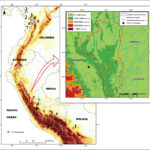
Primarily found within the lush rainforests and humid lowlands of northern and eastern regions of South America, particularly in Guyana, Suriname, French Guiana, and Brazil’s Amazonian territories, Rhinella iserni prefers habitats characterized by dampness and dense vegetation cover. Here beneath thick blankets of decaying foliage and amid the soft hum of insects, this unassuming amphibian makes its home. The choice of habitat not only aids its classic amphibian physiology—requiring constant moisture for skin permeability and respiration—but also provides camouflage vital to its very survival in such competitive ecosystems.
In these habitats, moisture is abundant; humidity hangs heavily in the atmosphere, condensing frequently into delicate droplets that glide off the lush foliage onto the nutrient-rich forest floor. This damp environment supports a bounty of invertebrates—crickets, ants, beetle larvae—that constitute the staple diet of Rhinella iserni. Ecologically astute, the toad leverages this fecund abundance to carve out its existence, adopting refined strategies that depend on precise environmental conditions. Bolstered by this carefully selected home, each toad becomes an essential link in elaborate ecological webs vital for habitat stability.
Physical Characteristics: Observing The Quiet Elegance of Rhinella iserni#
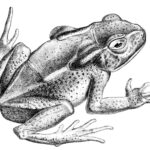
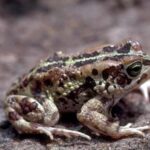
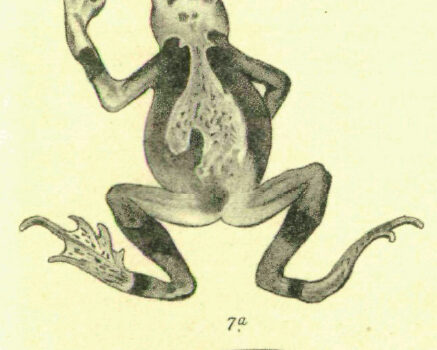
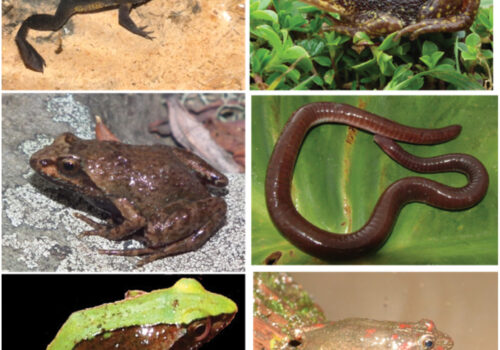
Rhinella iserni is a creature of modest yet notable aesthetics. Adults typically measure between 40 to 60 millimeters in length, characterized by squat, stout bodies well-adapted to a terrestrial lifestyle. The toad’s coloration, a symphony of earth hues ranging from deep browns to grayish greens, flecked occasionally with lighter highlights, imbues it perfectly with the ability to disappear seamlessly into its habitat. Its surface, roughened with a distinctive network of granular warts and raised glandular patches, serves not merely for visual disguise but also as defense against curious predators.
A critical adaptation exhibited by Rhinella iserni is the large parotoid glands situated prominently behind its eyes. These glands secrete a potent combination of alkaloids, toxins that provide effective chemical deterrents against predators. Such chemical defenses are integral to the survival success of these toads in ecosystems teeming with potential predators like snakes, larger reptiles, and birds. Moreover, robust hind limbs, evolved for hopping rather than extensive leaps, offer measured yet reliable locomotion suited ideally for navigating dense undergrowth.
Behavior and Life Cycle: From Tadpole to Terrestrial Survivor#
The Hidden Feeding Habits#
Primarily nocturnal, Rhinella iserni‘s secretive lifestyle revolves around the pursuit of small invertebrates. Under cover of darkness, it emerges from hiding places beneath rotting logs or thick leaf litter to meticulously patrol its territory, driven by keen senses finely tuned to detect vibrations and subtle movements signaling prey. Its protrusible, sticky tongue acts swiftly in prey capture, a marvel of precise coordination and impressive accuracy.
Breeding and Parental Attributes#
Seasonally influenced by rainfall patterns characteristic of its tropical habitat, breeding congregations of Rhinella iserni form around gentle, shallow water bodies—rivulets, temporary ponds, or marshes emerging during heavy rains. Males initiate courtship through distinctive calls, reverberating gently through the forest canopy in chorus-like orchestration. Females respond correspondingly, joining males to perform delicate rituals culminating in egg-laying within aquatic habitats.
The eggs, small black beads embedded within jelly-like matrices, swiftly give rise to tadpoles proficient in underwater survival. Developing rapidly, tadpoles exploit seasonal waters bursting with algae and microorganisms, carefully undergoing metamorphosis into terrestrial juvenile toads. Witnessing this transformation stage, observers gain profound appreciation for amphibian adaptation intricacies and profound life-strategy resilience exhibited in tropical environments.
Ecological Role: Guardian of Ecosystem Balance#
Easily overlooked yet profoundly impactful, Rhinella iserni fulfills crucial ecological functions in its ecosystem. As a prolific insectivore, it substantially regulates insect populations, curbing potential outbreaks of pest species detrimental to forest health. Additionally, it serves as prey to multiple predators, thereby maintaining stable, balanced food webs.
The value of this amphibian’s ecological role amplifies through its position as an environmental indicator species. Factors such as environmental contamination, habitat degradation, or climatic changes bring measurable impacts to amphibian populations. Monitoring its health and numbers allows scientists invaluable insights into subtle shifts in ecosystem health, guiding informed conservation responses vital for broader biodiversity protection.
Threats and Conservation Status: Protecting Rhinella iserni’s Fragile World#
While currently classified with a conservation status of “Least Concern” by the International Union for Conservation of Nature (IUCN), populations of Rhinella iserni are now confronting looming challenges. Rapid deforestation driven by logging, agriculture expansions, and urbanization threatens the foundations of its habitat and survival. Compounding habitat loss, emerging threats like climate instability, pesticides, and even emerging fungal diseases (e.g., chytridiomycosis) amplify the risks to the species’ continued survival.
Recognizing its ecological importance, dedicated conservationists stress habitat preservation and promote research programs aimed at understanding more deeply the species’ ecology and resilience. Preserving primary ecosystems and interconnected habitats forms the cornerstone of these conservation strategies, ensuring the continued presence of this remarkable amphibian in our world’s diverse biosphere tapestry.
Cultural and Scientific Significance: Connecting Human Lives to Rhinella iserni#
Beyond its ecological role, Rhinella iserni‘s chemical defenses intrigue pharmacologists and biologists. Study of its poison secretions contributes insights to medical research, underscoring its indirect yet tangible value to human well-being. Additionally, indigenous cultures often celebrate amphibians symbolically, recognizing their intrinsic role in ecosystem functioning and integrating traditional reverence into broader sentiments of conservation.
Conclusion: Championing Rhinella iserni’s Survival Story#
Rhinella iserni, oft-forgotten amidst glittering biodiversity displays, deserves attentive recognition and committed advocacy. Its quiet existence eloquently highlights nature’s mastery in creating beautifully balanced ecological interrelationships. Conservation support, collaborative research, and habitat stewardship promise fruitful, hopeful paths forward in safeguarding its continued presence—protecting simultaneously the stunning biodiversity and intact ecosystems emblematic of our planet’s tropical treasures.
Let this article spark your curiosity, involve you further, and inspire meaningful actions—multiplied collectively, safeguarding the quietly remarkable world of Rhinella iserni.