- Introduction: Meet Rhinella fissipes, Asia's Remarkable Amphibian
- Taxonomy and Classification: The Identity of Rhinella fissipes
- Natural Habitat: Where Rhinella fissipes Thrives
- Physical Characteristics: Anatomy Designed for Survival
- Behavior and Life Cycle: The Fascinating Lives Beneath Moonlit Nights
- Ecological Role: An Indicator and a Keystone Species
- Threats and Conservation Status: Protecting Rhinella fissipes' Future
- Cultural and Scientific Significance: Beyond the Forest Floor
- Conclusion: Embracing Conservation Efforts for Rhinella fissipes
Introduction: Meet Rhinella fissipes, Asia’s Remarkable Amphibian#
Amidst the lush greenery of eastern Asia, in the quiet warmth following a monsoon rain, a notable amphibian comes alive under the moonlit skies. Rhinella fissipes, commonly known as the Asian Common Toad, emerges silently, embarking on its nightly journey through forests, grasslands, and even suburban gardens. While frogs and toads might seem familiar fixtures of humid nights, Rhinella fissipes holds a special place within the ecosystems of eastern Asia, playing critical roles in insect control, nutrient cycling, and as indicators of environmental health. Distinguished by its rugged skin, melodic breeding calls, and fascinating adaptability, this amphibian serves as a captivating ambassador for the wonders and fragility of nature. As we journey through its world, exploring taxonomy, behavior, habitat, and conservation, we uncover why preserving this underrated amphibian matters more than ever.
Taxonomy and Classification: The Identity of Rhinella fissipes#
To better understand this remarkable amphibian, it’s useful to consider its scientific roots and classification. Rhinella fissipes, sometimes referred to by synonyms like Bufo fissipes, sits comfortably within the family Bufonidae—a large family known as “true toads.” These toads have fascinated naturalists for centuries, known for their characteristic dry, bumpy skin, and distinct parotid glands behind their eyes that produce toxins as defense against predators.
The genus Rhinella itself encompasses various toad species scattered across continents, predominantly Central and South America. Thus, Rhinella fissipes is unique, for it represents one of the exceptions in terms of geographical distribution, as it’s predominantly found in eastern Asia—a fascinating glimpse into how amphibians have evolved and spread across disparate regions through geological epochs.
Natural Habitat: Where Rhinella fissipes Thrives#
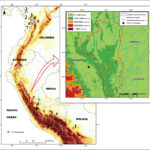
Exploring the lush, vibrant habitats of Rhinella fissipes allows a deeper appreciation for their ecological adaptations. This adaptable species inhabits diverse environments stretching across eastern China, including the provinces of Guangdong, Zhejiang, Jiangxi, and extending into Hong Kong, Taiwan, and possibly areas of Vietnam and Laos. This frog thrives not only in dense, humid forests but also demonstrates incredible flexibility, being regularly found in agricultural fields, parks, gardens, and even urban areas, adapting seamlessly to human-altered environments.
A Symphony of Humidity and Warmth#
Favored environments for Rhinella fissipes combine reliable moisture with abundant food sources, primarily insects and other small invertebrates. The moist forest floors, rice paddies, and marshy fields provide ideal conditions, offering humidity and shelter needed for sensitive amphibian skin. Leaf litter, logs, rocks, and streams all compose a carefully balanced landscape where this toad can quickly retreat during daytime heat and predators’ approaches, emerging again in the quietness of twilight hours.
Physical Characteristics: Anatomy Designed for Survival#
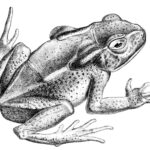
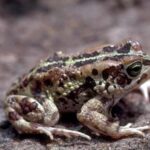
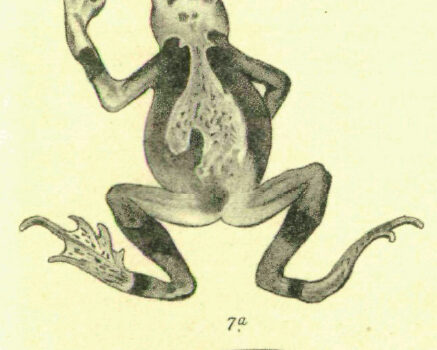
Rhinella fissipes is distinctive in appearance, with adults significantly varying in size, typically measuring between 6 to 10 centimeters in length. It boasts characteristic rounded bodies, strong limbs, and rough-textured, warty skin that offers protection from environmental hazards and reduces water loss—a crucial adaptation indicative of terrestrial life.
Colors and Patterns of Camouflage and Warning#
The coloration in Rhinella fissipes often ranges across subtle shades of brown, olive, or gray, frequently adorned with darker spots and blotches. This cryptic color scheme helps the toad blend seamlessly within leaf litter, bark, and soil, providing critical camouflage against predators. Additionally, prominent parotid glands behind their eyes secrete noxious chemicals called bufotoxins as a primary defense mechanism. Though generally shy and secretive in nature, when threatened, Rhinella fissipes inflates its body, maximizing its apparent size and displaying these conspicuous glands to deter predators.
Behavior and Life Cycle: The Fascinating Lives Beneath Moonlit Nights#
The behavioral intricacies of the Asian Common Toad reveal an intricate dance of adaptation and ritual. As nocturnal amphibians, Rhinella fissipes spend their daylight hours quietly concealed beneath fallen leaves, rocks, or crevices to avoid predators and intense sunlight, emerging after sunset to hunt and explore their territories.
Diverse and Efficient Hunters#
With a diet that primarily consists of insects, spiders, worms, and small arthropods, Rhinella fissipes is a meticulous, patient predator. Employing ambush-style hunting tactics, they rely on keen night vision and sensitive vibrations to detect prey. A sudden extension of their sticky tongues captures prey with astonishing speed and accuracy. This hunting strategy positions them as invaluable biocontrol agents, particularly valued by local agriculture communities that often rely on the toads to reduce destructive pest populations.
Courting through Song and Nighttime Serenades#
Breeding season marks a transformation in behavior, turning normally solitary toads into social creatures gathering around shallow streams, ponds, or flooded fields. Males engage in enthralling choruses, their melodious calls resonating through humid summer evenings to attract females. Females respond selectively, choosing mates based partially on the call’s qualities and frequency, ensuring genetic fitness and survival advantage. After mating, females lay strings of jelly-like eggs concealed in calm water bodies or temporary pools, where warmth and shallow depth create ideal conditions for successful embryonic development.
From Eggs to Tadpoles to Toadlets: A Remarkable Transition#
Eggs of Rhinella fissipes hatch within a few days into tiny, meticulously adaptive tadpoles. Living primarily underwater, the tadpoles remain hidden among aquatic vegetation, feeding voraciously on algae and plant material. During metamorphosis, their biology undergoes an incredible transformation—losing gills, developing muscular limbs, and transitioning to intelligent, terrestrial predators. Weeks later, fully developed toadlets cautiously emerge from ponds to embrace terrestrial life—marking the completion of a demanding yet fascinating cycle.
Ecological Role: An Indicator and a Keystone Species#
Rhinella fissipes occupies a significant niche in its native ecosystems, functioning as both predator and prey within the diverse food web. Their voracious appetite for insects directly regulates pest populations preserving the balance within agricultural fields and forests. Concurrently, these toads constitute essential prey items for various predators, including snakes, birds, and small mammals, contributing to the overall biodiversity of their habitats.
Perhaps most significantly, amphibians like Rhinella fissipes serve as biological indicators capable of revealing subtle, early signs of local environmental stress or ecosystem deterioration. The species’ permeability to subtle changes in temperature, humidity, and water quality positions them uniquely to reflect broader ecosystem health, cementing their ecological importance as sentinel organisms.
Threats and Conservation Status: Protecting Rhinella fissipes’ Future#
Although Rhinella fissipes maintains reasonably stable populations across eastern Asia and currently holds a Least Concern status under the IUCN Red List, it still faces growing environmental threats that warrant proactive conservation measures.
Habitat Loss and Pollution Concerns#
Urbanization, intensive agriculture, and habitat fragmentation increasingly encroach upon their natural environments. Additionally, contamination of water and soils with agricultural chemicals and pollutants significantly threatens amphibian populations. Given their permeability, toads are especially vulnerable, highlighting the importance of responsible, sustainable land-use practices.
Climate Change and Emerging Diseases#
Climate change affects monsoon patterns and seasonal rainfall, essential for Rhinella fissipes’ breeding. Shifts in environmental parameters may indirectly threaten their reproductive success. The global emergence of fungal diseases such as chytridiomycosis, although not yet widely documented in this species, remains a lurking threat that conservationists continue to monitor closely.
Cultural and Scientific Significance: Beyond the Forest Floor#
Across eastern Asia, toads historically symbolize luck, prosperity, and resilience, frequently appearing in folklore and traditions—reflecting a cultural respect towards these humble amphibians. Scientifically, their toxin production is also of interest, illuminating biochemical pathways potentially valuable in medicine or biological pest control breakthroughs.
Conclusion: Embracing Conservation Efforts for Rhinella fissipes#
Understanding and protecting Rhinella fissipes is not merely about safeguarding a single species but recognizing the intricate connections of ecosystems and the need for conservation awareness. As enthusiasts, students, and global citizens of nature, raising awareness and supporting habitat conservation can ensure these marvelous amphibians continue to serenade future generations beneath moonlit skies.