- Meet Rhinella chavin: Exploring the Fascinating World of Peru's Enigmatic Toad
- Taxonomy and Classification
- Natural Habitat: Life in the Cloud-Forest Ecosystem
- Physical Characteristics: A Master of Camouflage
- Behavior and Life Cycle: Bringing Up Baby Toads in the Mist
- The Ecological Role: Indicator Species of Cloud-Forest Health
- Threats and Conservation Status
- Cultural and Scientific Significance
- Conclusion: Protecting Peru's Amphibian Treasure
Meet Rhinella chavin: Exploring the Fascinating World of Peru’s Enigmatic Toad#
Deep within the lush cloud forests and misty mountain valleys of the Peruvian Andes, quietly inhabiting the hidden, damp leaf litter and rocky crevices, lives an intriguing amphibian known as Rhinella chavin. Named after the ancient Chavín civilization that once flourished in the highlands of Peru, this unique species of toad symbolizes the fascinating biodiversity and ecological richness found within the shadowed canopy above and profoundly fertile earth below.
Rhinella chavin is more than just another toad—it’s a living emblem of Peru’s natural heritage. Although less flashy than its brightly colored rainforest cousins, this species is clandestine, subtle, and purposefully camouflaged—a testament to the quiet resilience that characterizes mountain wildlife. Its obscure nature makes each observation precious, every sighting an event worthy of quiet celebration among researchers and wildlife enthusiasts alike.
Dive with us below the surface of this toad’s modest presence and immerse yourself in the hidden world of Rhinella chavin, a species whose story taught scientists that the conservation of the smallest amphibian can reflect the broader health of an entire ecosystem.
Taxonomy and Classification#
To first appreciate Rhinella chavin, it’s crucial to understand its place in the grand tapestry of amphibian biodiversity. Belonging to the Bufonidae family—commonly known as “true toads”—this species falls within the Rhinella genus, known for its diverse members inhabiting varied ecosystems throughout South America. Originally described scientifically as recently as 2001 by Cisneros-Heredia, Rhinella chavin underscores our continuously growing knowledge about Peru’s amphibian species.
Within its genus, Rhinella chavin is a fairly distinct species known for discrete morphological features and distinct genetic characteristics. Its closest relatives inhabit various habitats across the Andes and Amazon Basin, yet Rhinella chavin remains geographically and ecologically distinct—a denizen specifically adapted to Peru’s high-altitude forest ecosystems.
Natural Habitat: Life in the Cloud-Forest Ecosystem#
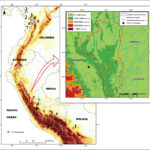
The range of Rhinella chavin is predominantly restricted to the mist-laden slopes of the eastern Andes, with documented localities mostly concentrated within northern to central Peru. This specialized habitat includes humid montane and premontane cloud forests, typically ranging from 1,200 to 2,500 meters above sea level. Here, dense vegetation drips perpetually with condensation, and fog floats softly along mountain slopes, creating an ambiance both magical and essential for this species’ survival.
The cloud forests inhabited by Rhinella chavin are intricate ecological mosaics, characterized by vertical complexity—from towering trees anguished under heavy layers of dangling mosses and bromeliads down to the moisture-heavy, decomposing leaf litter blanketing the forest floor. It’s amid this humid carpet of fallen leaves, logs, and rocky crevices that Rhinella chavin quietly emerges to ply its secretive existence.
An Ecosystem Defined by Moisture and Mystery#
Precisely adapted to life in perpetual moisture, Rhinella chavin favors environments that remain continually wet, cool, and shaded, providing the optimal conditions necessary for its delicate, absorbent skin. The availability of moisture-rich microhabitats allows the toad to stay adequately hydrated even during drier periods or unanticipated climatic shifts. Its interactions with surrounding vegetation are subtle, yet critical: by seeking refuge in damp detritus and rocky crevices, it supports an intricate web of subterranean insects, fungi, and small invertebrates flourishing beneath the surface layer of organic matter.
Indeed, cloud forests are spheres of continuous biodiversity rediscovery. New species regularly emerge from the scientific shadows, reminding us that every hover of mist and rustle of leaf conceals secrets waiting to be uncovered by inquisitive observers and dedicated researchers alike. Rhinella chavin stands testament to this quiet biological richness, playing its part skillfully and unobtrusively within the cloud-forest network.
Physical Characteristics: A Master of Camouflage#
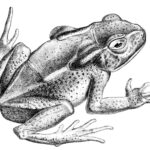
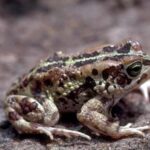
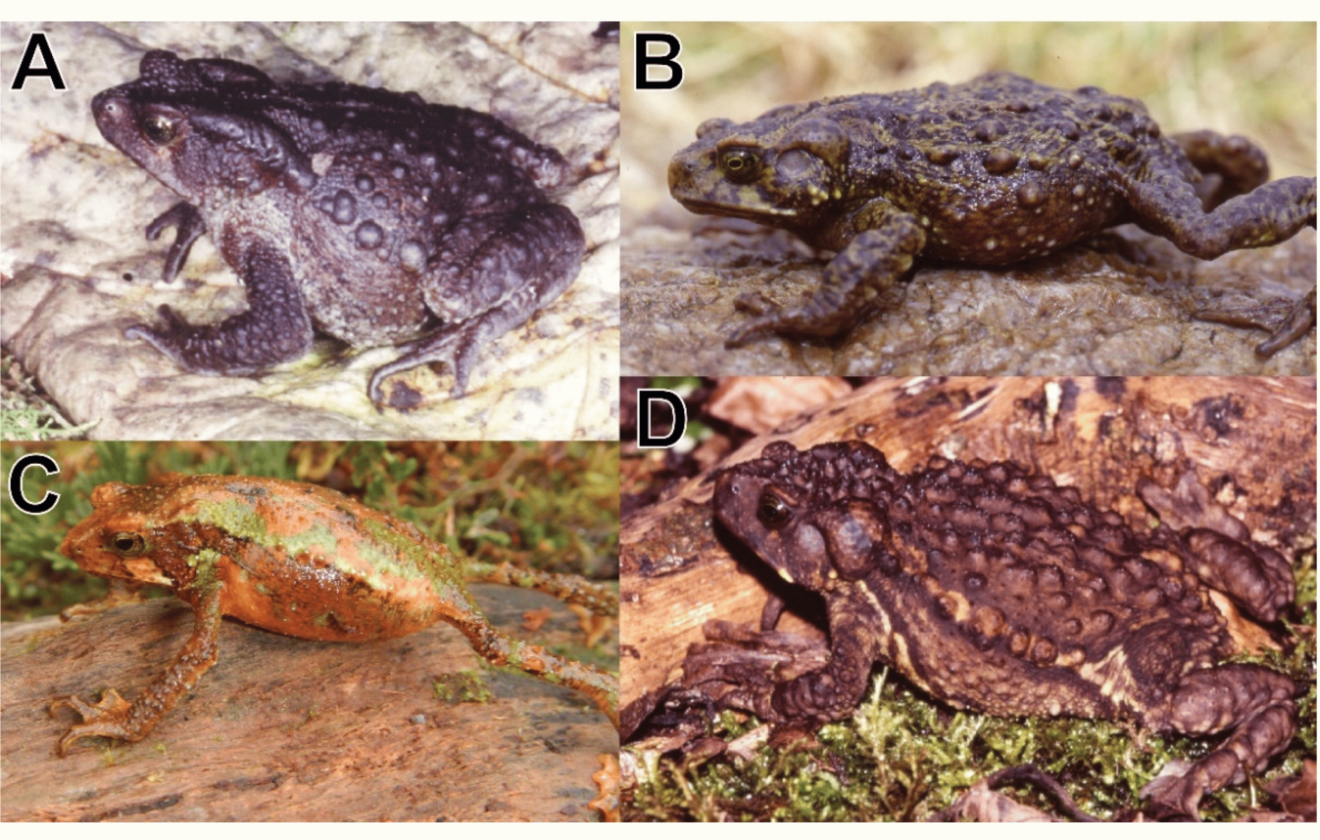
At first glance, Rhinella chavin is seemingly understated—a textured tapestry of brown, gray, and greenish hues. Adults typically reach between four to six centimeters in length, spade-like in shape with robust hind legs ideal for powerful short-distance jumps. Observers immediately notice the toad’s coarse skin texture covered in distinct, wart-like protrusions that evoke the appearance of rocks and leaves. Such an external appearance allows Rhinella chavin to vanish against its background with startling ease, securing it firmly within a highly effective and natural camouflage strategy.
Adaptive Significance of Appearance#
Rhinella chavin’s coloration and rough skin aren’t mere aesthetics—they play a major role in survival. Amid leaf litter and moss-covered ground, this coloration provides excellent camouflage against predatory snakes, birds, and mammals. Additionally, this skin presents an essential barrier, helping limit water loss in an environment prone to rapid changes in humidity and temperature. These adaptations are profound reminders of the evolutionary pressures shaping wildlife within the mountainous habitats of Peru.
Behavior and Life Cycle: Bringing Up Baby Toads in the Mist#
The elusive, nocturnal habits of Rhinella chavin make it a challenge to study at length in the wild. Nevertheless, researchers have managed to uncover several fascinating behaviors. Like many amphibians, Rhinella chavin is primarily insectivorous, preying on beetles, ants, spiders, and a diversity of arthropods. To capture its meals, this species relies on stealth and patience—a silent predator expertly camouflaged, awaiting unsuspecting prey wandering too close.
Breeding and Parental Care#
The breeding season of Rhinella chavin aligns closely with the rainy season, when moisture heightens availability of suitable breeding habitats and triggers the synchronized mass-movement toward water sources. Male Rhinella chavin emit subtle yet distinctly resonant breeding calls from ponds, stream edges, or rain-filled tree hollows that help females locate suitable mates. Once paired, females carefully deposit gelatinous egg masses beneath vegetation or in small pools, providing offspring protection from hungry predators.
Development from Tadpole to Toadlet#
The aquatic larvae, or tadpoles, develop rapidly, benefiting from the nutrient-rich waters enriched by fallen vegetation and organic debris. After weeks of feeding and swimming within their safe nursery pools, the tadpoles gradually metamorphose, losing their aquatic adaptations to emerge as miniature replicas of their terrestrial parents. Newly emerged toadlets retreat immediately into the surrounding moist leaf litter—a habitat to shield them from intense sun, dehydration, and predatory threats.
The Ecological Role: Indicator Species of Cloud-Forest Health#
Though small and cryptically colored, the importance of Rhinella chavin stretches far beyond its secretive lifestyle. Amphibians like Rhinella chavin are considered crucial indicators of environmental health due to their thin, permeable skin and reliance on both aquatic and terrestrial landscapes. Changes in local environments, pollution events, climatic shifts, or habitat degradation rapidly reflect in the health and distribution of amphibian populations, including Rhinella chavin.
As both predator and prey, Rhinella chavin contributes significantly to the trophic dynamics and nutrient cycling within cloud forest habitats. Its presence provides valuable ecological balance, controlling insect populations and supporting the broader food web.
Threats and Conservation Status#
Rhinella chavin faces significant threats from habitat degradation, climate change shifts affecting cloud forest moisture levels, and pollution. While the precise conservation status according to IUCN listings remains under review, ongoing habitat destruction through deforestation, agricultural expansion, and infrastructure development poses ongoing risk.
A Call for Conservation Action#
Over recent years, ecological activists and researchers advocate intensified protection, urging habitat preservation policies and biodiversity management plans specifically targeting amphibian conservation. Protecting Rhinella chavin’s habitat can result in myriad benefits, safeguarding biodiversity and ecosystems essential for human communities downstream.
Cultural and Scientific Significance#
The species’ name proudly commemorates the mysterious Chavín civilization, a testament to the deep-rooted cultural identity revolving around nature within Peru. Scientifically, Rhinella chavin represents ongoing discoveries underscoring high-altitude cloud forests as centers of unknown biodiversity, influencing conservation priorities nationwide.
Conclusion: Protecting Peru’s Amphibian Treasure#
Ultimately, Rhinella chavin embodies the delicate complexity, diverse richness, and inherent fragility of cloud-forest ecosystems. Engaging in its protection and raising awareness support conservation of life on Earth itself, echoing the quiet call of Rhinella chavin—a remarkably unique amphibian whose future depends upon our respect and proactive stewardship.
Let’s ensure that the gentle chorus of Rhinella chavin continues filling Peru’s forests for generations to come.