The Enigmatic Tree Toad: Unveiling the Secrets of Pedostibes tuberculosus#
Deep in the lush green forests of southern India and the damp rainforests of Sri Lanka, beneath a canopy alive with the humming of insects and the calls of birds, a shy and fascinating amphibian navigates branches and broad leaves with patient deliberation. Known scientifically as Pedostibes tuberculosus, and commonly referred to as the Malabar tree toad or warty Asian tree toad, this small, enigmatic amphibian remains relatively unknown, quietly contributing to the vibrant ecology it inhabits.
A master of camouflage, it can often be easily overlooked by even trained naturalists, but this humble tree toad holds significant ecological importance and presents unique adaptations worthy of our understanding and conservation efforts. From their curious climbing capabilities to their gentle calls echoing through monsoon nights, these frogs bring a subtle beauty and intrigue to the rainforests they call home.
Taxonomy and Classification#
Pedostibes tuberculosus belongs to the diverse amphibian order Anura, encompassing the familiar frogs and toads. More specifically, it falls within the family Bufonidae, a group widely recognized as the true toads, which notably includes genera such as Bufo. The genus Pedostibes itself is notable for its arboreal (tree-dwelling) adaptations, distinguishing it within the primarily terrestrial and ground-dwelling Bufonidae family.
This arboreal specialization makes Pedostibes tuberculosus a fascinating study for researchers interested in amphibian evolution and ecological specialization. Close relatives within this niche genus share similar adaptations to tree habitation, making their evolutionary history a rewarding subject of study.
Natural Habitat#
The Malabar tree toad is predominantly found in the moist, evergreen rainforests of the Western Ghats in southern India and parts of Sri Lanka, regions renowned for rich biodiversity and endemism. These toads seek shelter among the dense foliage, epiphytes, and moss-covered branches of the middle and upper forest strata, seldom descending to the forest floor except during breeding or particularly humid nights.
Life Among the Branches#
The extensive canopy and understory vegetation provide these arboreal amphibians with both protection from predators and ample hunting grounds. Their habitat, bathed by seasonal monsoons and a nearly constant cover of mist, ensures an abundance of moisture critical to maintaining their sensitive amphibian skin.
The Malabar tree toad’s reliance on moist, pristine environments makes it particularly vulnerable to habitat disruptions such as deforestation, plantations, and invasive plant species that interfere with native forest composition and humidity.
Physical Characteristics#
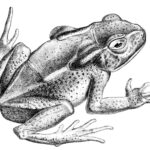
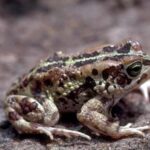
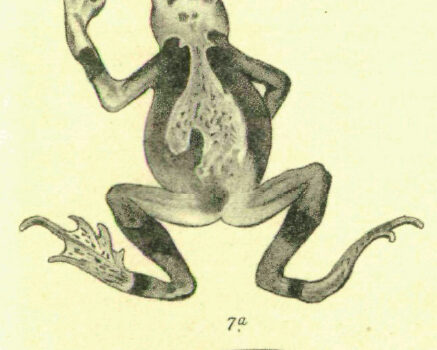
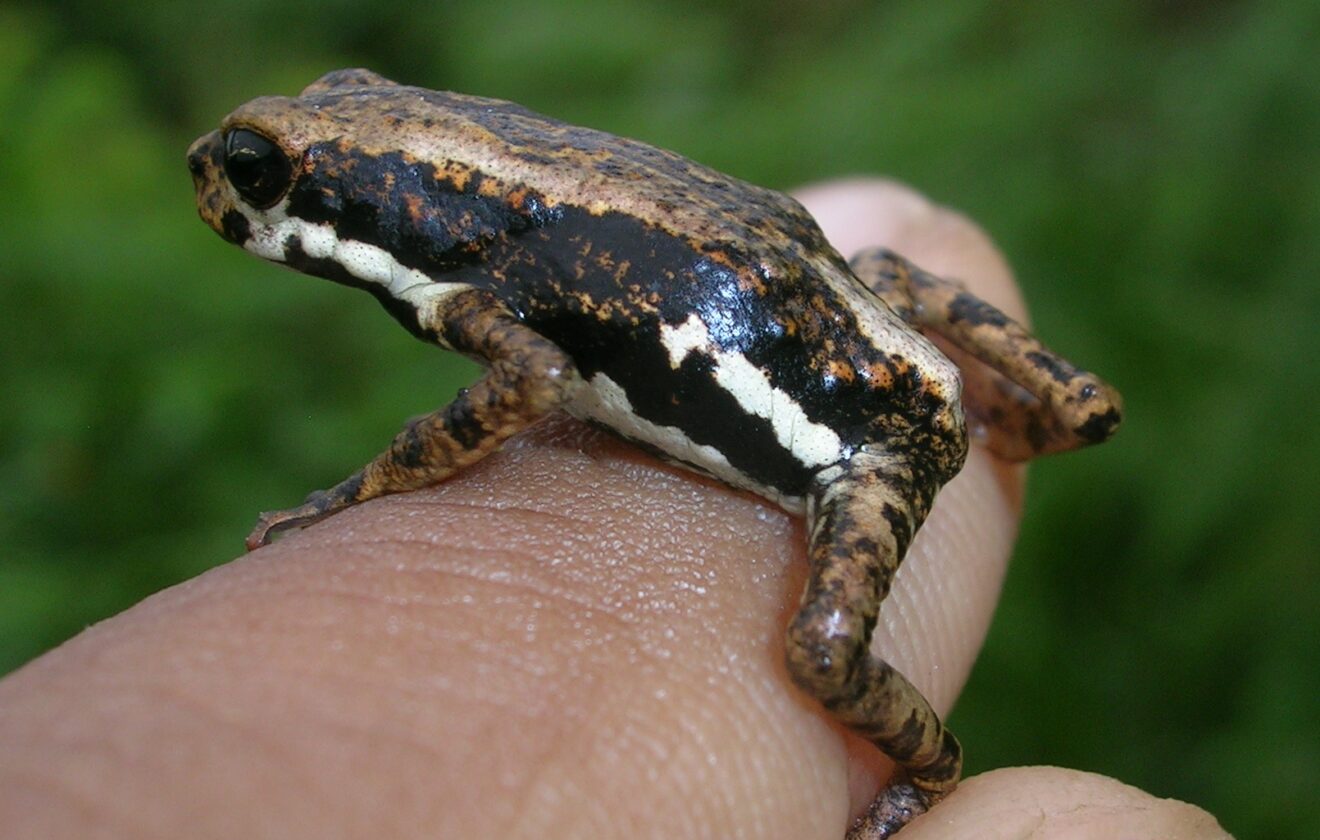
A species soaked in understatement and subtle beauty, Pedostibes tuberculosus is notably small, averaging between 30 to 40 mm in length. Their diminutive size, coupled with their coloration—ranging from greyish-brown to olive with irregular dark spots and warty textures—renders them virtually invisible among the mossy bark and leaves that compose their tree-canopy microhabitats.
One of their most curious characteristics is their marked tuberculate (warty) skin. Rather than serving purely aesthetic purposes, these textured, bumpy surfaces provide excellent camouflage, mimicking lichens and tree bark textures with astonishing precision. Their well-developed, broad, adhesive toe pads elegantly facilitate arboreal mobility, securely grasping even slippery, dew-slicked foliage layers.
The delicate translucent webbing between their toes enables careful navigation across leaf surfaces, while powerful hind legs, elongated yet slender, allow gentle leaps and precise climbs rather than the broad robust jumps associated with terrestrial frogs.
Behavior and Life Cycle#
Primarily nocturnal, the Malabar tree toad remains discreet during daylight hours, tucked securely within leaf folds or amongst dense foliage clusters, dormant and hidden from predators’ eyes. As dusk approaches and humidity levels rise, these toads emerge cautiously, darting their eyes in pursuit of passing insects attracted by nighttime blooms.
Feeding Habits#
Pedostibes tuberculosus preys predominantly on soft-bodied insects, including moths, flies, beetles, and small spiders. With their sticky tongues, they capture prey efficiently, requiring minimal movement and thus reducing the risk of revealing their positions.
Mating Rituals and Lifecycle#
The arrival of monsoon rains signals breeding season, awakening the toads’ distinct, sharp, repetitive calls—a melodious accompaniment to rain pattering against the canopies above. This call, though soft and not overly resonant, effectively attracts nearby females. The breeding takes place among slow-moving streams, temporary water pools, or conveniently available rainwater collected on broad leaves and tree forks.
Once pairs form, female toads lay small clusters of gelatinous eggs hidden carefully under leaves near accessible water sources. These eggs soon develop into aquatic tadpoles, necessitating continuously moist habitats to thrive and metamorphose successfully into miniature versions of their arboreal parents, completing a lifecycle delicately poised upon the availability of clean, unpolluted water.
Ecological Role#
Though small in size, Pedostibes tuberculosus occupies an important niche in its rainforest habitat: that of both predator and prey. As insect predators, these toads play a role in managing insect populations, maintaining ecological balance. Simultaneously, their small size makes them targets for a range of reptilian, avian, and mammalian predators. Their sensitivity to habitat changes and water quality means they also serve as key bioindicators, signaling broader ecological health or distress.
Threats and Conservation Status#
Today, Pedostibes tuberculosus faces increasing pressures primarily associated with habitat degradation and ongoing deforestation driven by human encroachment—agriculture, plantations, logging, and urban expansion. Amphibians, notoriously susceptible to environmental toxins and diseases such as chytridiomycosis, further face significant risk from invasive pathogens and climate change-related temperature and rainfall fluctuations.
The International Union for Conservation of Nature (IUCN) classifies them currently as “Least Concern,” but habitat pressure continues to escalate. Ongoing habitat fragmentation warrants careful monitoring, and protective forest conservation initiatives in India and Sri Lanka are increasingly crucial to maintaining healthy populations.
Cultural and Scientific Significance#
Although largely hidden away from public view, Pedostibes tuberculosus does not prominently appear in local folklore or traditional symbolism. However, its contribution to scientific research and amphibian biodiversity remains undeniably valuable. Its adaptations to arboreal life have drawn considerable scientific interest, providing insights into evolutionary pressures shaping amphibian anatomy and behavior.
Conclusion#
Though small, overlooked, and easily missed amidst its lush arboreal surroundings, Pedostibes tuberculosus embodies the sophisticated balance and interdependence of rainforest ecosystems. Through its quiet existence and careful habits, this remarkable creature teaches us about ecological responsibility, biodiversity conservation, and the delicate threads binding ecosystems together.
As stewards of our shared environment, it becomes our collective responsibility to focus conservation measures, support habitat preservation efforts, and celebrate lesser-known species that enrich life on Earth. Take a closer look—and perhaps, you too will spot the elusive Malabar tree toad among the moist leaves and moss-covered branches, quietly encouraging us to safeguard the future of our vibrant natural world.