- Unveiling the Secrets of Melanophryniscus cambaraensis: Brazil's Hidden Jewel of the Amphibian World
- Taxonomy and Classification: Decoding the Amphibian's Lineage
- Natural Habitat: Life Amidst Southern Brazil’s Fragile Highlands
- Physical Characteristics: A Tiny Marvel’s Dazzling Defense
- Behavior and Life Cycle: Life’s Delicate Dance in the Wetlands
- Ecological Role: Nature's Subtle Guardians
- Threats and Conservation Status: Battling Against Habitat Fragmentation
- Cultural and Scientific Significance: A Creature Worth Protecting
- Conclusion: Our Collective Responsibility to Protect Brazil’s Amphibian Jewel
Unveiling the Secrets of Melanophryniscus cambaraensis: Brazil’s Hidden Jewel of the Amphibian World#
In the lush, delicate tapestry of Brazil’s ecosystems, countless creatures thrive beneath the canopy’s dappled sunlight, each quietly playing its critical role in nature’s balance. Among them hides a tiny amphibian species, radiant as a gem yet enigmatic as a myth—Melanophryniscus cambaraensis, a vibrant, small toad rarely observed by the casual wanderer. This beguiling creature, which belongs to the Bufonidae family, is more than just an amphibian; it is an exquisite emblem of conservation and biodiversity, silently advocating for the preservation of its threatened subtropical habitat.
Despite measuring around two centimeters in length, this tiny frog boasts vivid colorations screaming out a potent signal of its chemical defenses. Beyond its aesthetics, Melanophryniscus cambaraensis embodies indispensable ecological value and intriguing biological adaptations. Unraveling its captivating biology, secretive behaviors, and tenuous survival story offers us insight into the delicate state of today’s ecosystems and reminds us of the intricate connections underwriting life’s diversity.
Taxonomy and Classification: Decoding the Amphibian’s Lineage#
The amphibian world is as diverse as it is complex, yet within it, certain animals mesmerize biologists and enthusiasts alike—melanophryniscus toads among them. Classified scientifically as Melanophryniscus cambaraensis, this charismatic species belongs to the Bufonidae family, commonly known as true toads. More specifically, it is part of the genus Melanophryniscus, renowned for housing some of South America’s most vibrantly colored amphibians, often drawing comparisons to poison dart frogs found in Central and northern South America.
This particular species, Melanophryniscus cambaraensis, was described by Brazilian herpetologists within recent decades, highlighting the ongoing discoveries waiting to be unveiled even within relatively known biomes. Its closest relatives include several other brightly patterned Melanophryniscus frogs, each adapted uniquely to their specific habitats and ecological niches through years of evolution.
Natural Habitat: Life Amidst Southern Brazil’s Fragile Highlands#
Navigating the southern Brazilian state of Rio Grande do Sul, explorers encounter gently rolling hills, grasslands interwoven with scattered forests, and freshwater wetlands. The Melanophryniscus cambaraensis finds sanctuary precisely within these wet, temperate highland grasslands and cloud forests, predominantly in areas surrounding Cambará do Sul—hence its species name. To thrive, this little amphibian relies on habitats that offer ample moisture, leafy vegetation, rocky crevices, and soft, damp soils ideal for burrowing and shelter.
These subtropical highland areas, filled with bromeliads, ferns, and a profusion of moss-covered trees, provide not just moisture but also optimal microclimates and diverse feeding grounds. After rains, ephemeral water bodies form, offering ideal conditions for breeding. It’s within these brief windows of abundance that the lifecycle of Melanophryniscus cambaraensis dramatically unfolds, transforming these temporary pools into bustling nurseries for the upcoming amphibian generation.
Physical Characteristics: A Tiny Marvel’s Dazzling Defense#
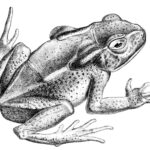
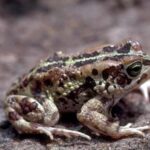
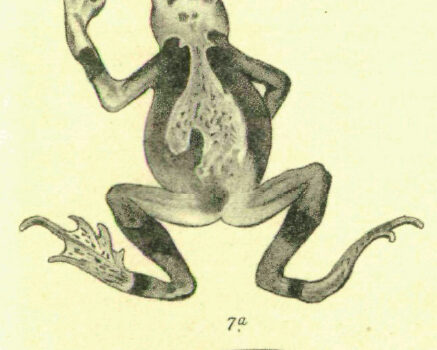
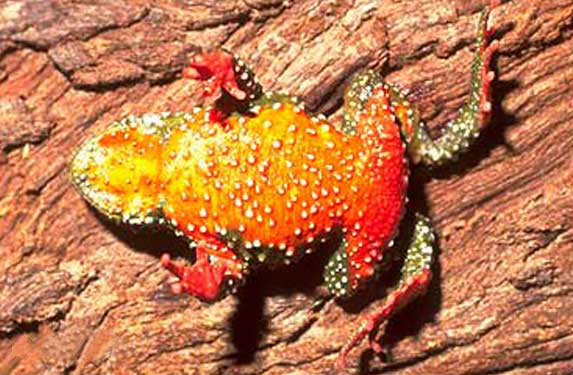
For enthusiasts lucky enough to glimpse it, Melanophryniscus cambaraensis is a striking sight. Adults rarely exceed 2 centimeters in length, proving that big impressions can come from the smallest beings. Their robust yet compact bodies are vibrantly adorned with a palette of colors, ranging from deep blacks and velvety browns to striking patches of bright red, orange, and yellow hues. Such conspicuousness isn’t intended for vanity—it’s an evolutionary strategy known as aposematism, a vivid warning sign to predators signaling their unpalatable or toxic chemistry.
This dazzling mosaic of color is coupled with granular skin texture, allowing for moisture retention and toxin glands capable of secreting defensive substances. These potent alkaloids dissuade many potential predators, enabling the frogs to live openly within their habitats. Indeed, their vivid aesthetic showcases a harmonious union of beauty and survival, equipping them to combat natural threats effectively.
Behavior and Life Cycle: Life’s Delicate Dance in the Wetlands#
Feeding Habits: Small But Prolific Hunters#
Don’t allow their minute size and seemingly languid lifestyle to mislead you—Melanophryniscus cambaraensis boasts a keen predatory instinct. Armed with agile tongues and sharp perception, these amphibians primarily forage on diminutive invertebrates, including ants, mites, springtails, and other insects found abundantly within their wetland habitats. Their precise hunting prowess reflects millions of years of refined adaptation, essential for survival in the micro-world beneath towering vegetation.
Breeding Behavior: A Symphony of Seasonal Signals#
Like many amphibians, Melanophryniscus toads synchronize their reproductive activities with seasonal rainfall patterns. Heavy rains cue males to congregate near temporary pools where their melodic yet delicate chorus summons females. The sounds of their mating calls, gentle yet distinctive, ripple softly through humid forests and marshlands, guiding females toward the ideal breeding sites.
Once paired, females lay fertilized clusters of small eggs among floating vegetation or underwater plants. Quickly, these temporary ponds swell with developing tadpoles, often numbering in the hundreds or thousands. Within weeks, conditions permitting, the tadpoles transform through the miraculous process of metamorphosis, emerging onto land as miniature adults prepared to embrace terrestrial life.
Ecological Role: Nature’s Subtle Guardians#
As both predator and prey, Melanophryniscus cambaraensis occupies an essential role within its ecological network. It regulates insect populations, thereby indirectly contributing to vegetation health and agricultural integrity. Simultaneously, it acts as a nutritious if cautiously approached food source for select predators capable of withstanding or neutralizing its toxins.
Importantly, these amphibians serve as bioindicators—living signals of environmental health. Their permeable skins and aquatic-dependent life stages make them particularly vulnerable to ecological disruptions, pollutants, and climate fluctuations. Consequently, any noticeable reductions in their populations signal potential broader ecosystem dysfunctions, alerting conservationists toward critical areas needing immediate attention.
Threats and Conservation Status: Battling Against Habitat Fragmentation#
The story of Melanophryniscus cambaraensis unfortunately echoes increasingly familiar tales of biodiversity threats globally. Habitat loss and fragmentation, driven by expanding agriculture, cattle ranching, and urban encroachment, severely threaten their populations. Pollution, particularly agricultural runoff containing pesticides and fertilizer residues, further compromises their fragile environments. Additionally, climate change impacts precipitation patterns in their core habitats, disrupting critical reproductive cycles dependent upon seasonal rains.
Due to these escalating pressures, Melanophryniscus cambaraensis has been listed as Vulnerable by the International Union for Conservation of Nature (IUCN), highlighting its precarious survival outlook. Conservationists actively strive to establish protected habitats, promote awareness, and implement sustainable development strategies to safeguard this and other vulnerable amphibian species. Community education and habitat restoration initiatives represent a growing hope in the fight to secure habitats on behalf of these miniature yet vital creatures.
Cultural and Scientific Significance: A Creature Worth Protecting#
In the cultural context, amphibians often appear prominently in human societies’ myths and folklore—symbolizing transformation, renewal, and harmony with nature. While Melanophryniscus cambaraensis may not boast widespread cultural renown, its remarkable biology and conspicuous beauty mean it’s increasingly recognized by science as an ecological gem, attracting naturalists and visitors to southern Brazil’s reserves and national parks.
Beyond symbolic significance, frogs within the genus Melanophryniscus intrigue toxicologists and medical researchers due to their unique chemical defenses, which show potential pharmaceutical applications. Studying these toxins allows scientists to uncover novel medicinal opportunities, expanding conservation beyond ecological and ethical considerations into realms of human health and scientific discovery.
Conclusion: Our Collective Responsibility to Protect Brazil’s Amphibian Jewel#
Immersing ourselves in the life of Melanophryniscus cambaraensis highlights its biological wonder and serves as a powerful testament to our inextricable bond with nature. Its survival depends upon our stewardship and acknowledgment of amphibians’ vital ecosystem role. Through dedicated action, advocacy, and mindful respect, we can preserve these magnificent, diminutive creatures that enrich the tapestry of our shared planet.
As we reflect upon this tiny amphibian’s immense ecological importance and aesthetic charm, let us collectively bolster conservation efforts and deepen our commitment to biodiversity. Every step we take helps ensure Melanophryniscus cambaraensis continues its quiet symphony, symbolizing resilience, endurance, and the inherent worth of all life’s wonders.