- Introduction: A Leap Into the Unknown
- Taxonomy and Classification: Understanding Its Place in Nature
- Natural Habitat: Misty Highlands Home
- Physical Characteristics: Camouflage and Adaptations
- Behavior and Life Cycle: Quiet Life in the Forest Shadows
- Ecological Role: Vital Links in a Delicate Chain
- Threats and Conservation Status: Standing on the Edge
- Cultural and Scientific Significance: Beyond the Forest Floor
- Conclusion: Call to Conservation Action
Introduction: A Leap Into the Unknown#
Beneath the humid, misty canopy of Cameroon’s lush mountain forests lives a creature both elusive and fascinating—the Werneria mertensiana. More commonly known among naturalists as Mertens’s smalltongue toad, this amphibian embodies the untamed intrigue of African rainforests, capturing the attention of scientists and wildlife enthusiasts alike. Werneria mertensiana is renowned not just for its rarity but for its remarkable adaptability and specialized habitat preferences, nestled predominantly in Cameroon’s volcanic highlands.
Named in honor of notable herpetologist Robert Friedrich Wilhelm Mertens, this unique amphibian is a remarkable representative of biodiversity in the rich ecosystems of Central Africa. Yet, despite its significant ecological role and unique behaviors, Werneria mertensiana remains largely unknown outside specialist circles—an oversight that holds back crucial conservation attention. In the following deep dive, we’ll journey deeper into the dense mountain forests to unravel the enigmatic secrets of Werneria mertensiana, illustrating why the survival of these amphibians matters far beyond their secluded habitats.
Taxonomy and Classification: Understanding Its Place in Nature#
Werneria mertensiana belongs to the Bufonidae family—a diverse lineage of true toads distributed globally. Classified within the genus Werneria, it shares taxonomic kinship and characteristic attributes with approximately seven other Werneria species, all of which are African highland specialists. The precise classification of Werneria mertensiana is:
- Kingdom: Animalia
- Phylum: Chordata
- Class: Amphibia
- Order: Anura (frogs and toads)
- Family: Bufonidae
- Genus: Werneria
- Species: Werneria mertensiana
Its closest relatives within Werneria are similarly adapted to high-altitude rainforests, sharing both morphology and ecological preference. This close-related and geographically restricted genus highlights both the evolutionary ingenuity and vulnerability of Werneria mertensiana—a specialized amphibian perfectly adapted to a narrow habitat range.
Natural Habitat: Misty Highlands Home#
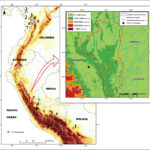
Nestling primarily within the mountainous regions of western Cameroon, Werneria mertensiana has carved out a niche in the damp, cloud-shrouded rainforests of Mount Cameroon, Mount Manengouba, and the Bamenda Highlands. This precise habitat choice is no mere coincidence—the species has evolved distinct adaptations to thrive in wet, montane environments at elevations generally between 1,000 to 2,500 meters above sea level.
The terrain frequented by Werneria mertensiana is rugged and richly vegetated, characterized by dense, lush vegetation, moss-covered rocks, cascading streams, and persistent moisture. Stream banks, damp forest floors beneath fallen leaves, and occasionally even moss-draped trees may host this enigmatic amphibian, offering vital moisture and protection from predators.
Observations of this species within their natural environments offer a captivating sight—their subtle movements and steady calls blending seamlessly into the forest chorus. Having adapted to these cool, damp habitats over millennia, the frogs demonstrate remarkable specialization. Cooler climates at higher altitudes permit Werneria mertensiana respite from hotter lowland temperatures but also constrain them geographically—making them unique yet vulnerable residents of their biodiversity-rich ecosystems.
Physical Characteristics: Camouflage and Adaptations#
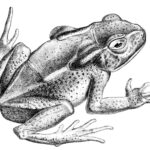
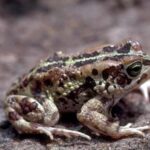
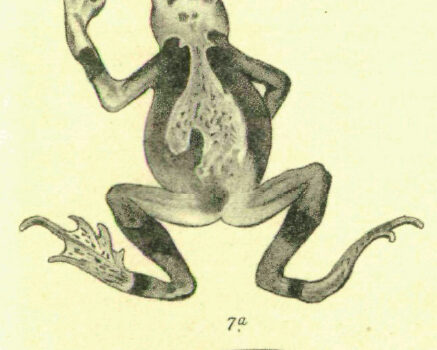
At first glance, Werneria mertensiana might appear inconspicuous and easily overlooked, adorned with muted tones adapted to blend seamlessly into its surroundings. Typical adults measure between 30 to 50 millimeters in length, rendering them a relatively small presence amidst the rich greenery. Yet, despite its modest size, the frog’s appearance boasts intriguing evolutionary adaptations that ensure survival in its enshrouded forest home.
The color of Werneria mertensiana varies subtly between olive-brown, dark green, and chocolate-gray shades. Its fine, granular skin texture, covered with small warts and subtle blotches, mirrors the moss-covered rocks and leaf litter beneath its feet. This superb camouflage helps evade predators—predominantly birds, snakes, and small mammals—and reflects millions of years of intricate selective pressures acting upon its ancestral lineage.
Another captivating physical attribute is its relatively small tongue—earning it the common name “smalltongue toad”. Unlike many frogs and amphibians famously known for sticky tongues that rapidly extend to catch prey, Werneria mertensiana relies instead on rapid movements, precise jaw snap, and agile footwork along stream banks and forest floor debris to secure its insect prey.
Behavior and Life Cycle: Quiet Life in the Forest Shadows#
Much of the charm of Werneria mertensiana lies in its secretive behavior patterns. This species is chiefly crepuscular and nocturnal, with activity peaking during dawn, dusk, and nighttime hours. During the day, they lie hidden under vegetation, rocks, or leaf litter, patiently awaiting the cover of darkness to hunt and socialize.
Feeding Habits#
The diet of Werneria mertensiana predominantly comprises small invertebrates such as ants, beetles, and spiders, located along streams or forest pathways. Their stealthy hunting strategy involves slow, quiet movements punctuated by rapid lunging actions—precision rather than brute strength defines their approach. This feeding technique, while energy-efficient, demands practice and agility, well suited to their densely vegetated habitats.
Breeding and Mating Habits#
During the breeding season, Werneria mertensiana exhibits a unique chorus of soft, repetitive calls—low, musical vocalizations that resonate gently through forest vegetation. Males occupy small territories along gentle streams and pools, beckoning passing females through rhythmic sound displays. Females lay egg clusters adhered to underwater rocks amidst gentle currents, where they undergo a swift metamorphosis from egg to tadpole, and then tiny froglet, carefully transitioning from aquatic to terrestrial habitats.
Ecological Role: Vital Links in a Delicate Chain#
Though small and inconspicuous, Werneria mertensiana fulfills essential ecological functions within its mountainous rainforest ecosystems. Importantly, it controls insect populations—including pest species—contributing to crucial ecological balance. Conversely, it serves as prey for predators higher in the food web such as forest snakes, birds, and small mammals, thus acting as a fundamental bridge in energy transfer among rainforest biota.
Moreover, Werneria mertensiana and its amphibian kin are recognized globally as bio-indicators, especially in delicate mountainous ecosystems threatened by climate and environmental change. Amphibians absorb moisture and oxygen directly through their sensitive skin, making them extremely susceptible to environmental degradation—they serve as frontline indicators, broadcasting subtle warnings of environmental health long before cascading impacts become severe.
Threats and Conservation Status: Standing on the Edge#
Unfortunately, Werneria mertensiana symbolizes vulnerability in an era of escalating habitat destruction and climate shifts. The International Union for Conservation of Nature (IUCN) lists Werneria mertensiana as “Endangered,” citing declining populations, severe habitat fragmentation, and intensifying human encroachment into montane rainforest habitats.
Habitat loss due to agriculture, logging, and infrastructure development, along with pollution and climate-induced forest drying, represent chronic and emergent threats. Concerningly, such threats compound the natural habitat limitations of Werneria mertensiana, intensifying conservation urgency. Presently, conservation initiatives involving habitat protection, ecological monitoring, and building local community awareness aim to bolster its vulnerable populations.
Cultural and Scientific Significance: Beyond the Forest Floor#
Within Cameroon, the cloudy mountain forests and their inhabitants—including Werneria mertensiana—carry rich spiritual and cultural symbolism in indigenous traditions. These amphibians are viewed variously as harbingers of seasonal change or respected indicators of forest well-being. Additionally, scientifically, Werneria mertensiana offers insights into amphibian adaptations to elevation and moisture regimes—an important clue into evolutionary processes and climate-change responses.
Conclusion: Call to Conservation Action#
The incredible journey through Werneria mertensiana’s fog-covered habitat underlines clearly why conserving these remarkable amphibians means preserving the heart of Cameroon’s ecological heritage itself. Every amphibian species lost not only silences forests but reduces vital knowledge on biodiversity resilience and adaptation. Let’s advocate for their protection, amplifying their voice to inspire future conservationists to safeguard this quiet jewel of Cameroon’s mountain forests.