- Vandijkophrynus inyangae: Unlocking the Secrets of the Inyanga Toad
- Taxonomy and Classification: Placing Vandijkophrynus inyangae into Context
- Exploring the Misty Highlands: The Natural Habitat of Vandijkophrynus inyangae
- A Closer Look: Physical Characteristics of Vandijkophrynus inyangae
- Intriguing Behaviors and an Exceptional Life Cycle
- The Indispensable Ecological Role of Vandijkophrynus inyangae
- The Threatened Existence: Conservation and the Fragile Future of Vandijkophrynus inyangae
- Cultural and Scientific Significance of Vandijkophrynus inyangae
- Conclusion: A Small Creature with Tremendous Importance
Vandijkophrynus inyangae: Unlocking the Secrets of the Inyanga Toad#
On quiet evenings nestled deep within the damp, mist-covered uplands of Zimbabwe’s East Highlands, nature orchestrates a symphony few human ears ever witness. Amid the rustle of leaves and gentle trickle of streams, the delicate croaking chorus belongs to a small, peculiar amphibian known scientifically as Vandijkophrynus inyangae. This creature, often overlooked yet remarkable in its own quiet resilience, forms a vital piece of its delicate ecosystem’s puzzle.
Known alternatively as the Inyanga Toad, this species remains cloaked in mystery for even seasoned wildlife enthusiasts. Yet, beneath its humble appearance lies a fascinating array of survival strategies, ingenious behaviors, and an unmistakable ecological significance. Join us as we delve deeper into the intimate world of Vandijkophrynus inyangae—a species whose story intertwines effortlessly with the lush landscapes it inhabits, weaving a narrative of perseverance, beauty, and fragile interconnectedness.
Taxonomy and Classification: Placing Vandijkophrynus inyangae into Context#
Amphibians represent one of nature’s most diverse yet threatened natural groups. Among them, toads hold worthwhile ecological and evolutionary secrets. Vandijkophrynus inyangae belongs to the family Bufonidae, a widespread family more commonly known as true toads.
The genus Vandijkophrynus (named after noted herpetologist Eddie Van Dijk, who has significantly contributed to the understanding of southern African amphibians) groups several species notable for their limited geographic ranges and ecological specializations. Vandijkophrynus inyangae itself was formerly classified under the genus Bufo, a common fate for many species in the Bufonidae family before recent molecular studies refined their taxonomic status.
Vandijkophrynus inyangae shares its genus with closely related species such as Vandijkophrynus gariepensis and Vandijkophrynus amatolicus, highlighting a fascinating adaptive radiation phenomenon seen in southern Africa’s complex geography and specialized habitats.
Exploring the Misty Highlands: The Natural Habitat of Vandijkophrynus inyangae#
Situated mostly within the Nyanga National Park and surrounding montane grasslands of Zimbabwe, the Inyanga Toad calls the Eastern Highlands its exclusive home. These elevated habitats, cloaked in persistent mist and draped with lush carpets of vegetation, present a specific set of ecological conditions which shape the lifestyle of this hardy amphibian.
The Montane Grasslands and Forest Fringe Ecosystem#
The Inyanga Toad typically inhabits moist, cool grasslands, marshy areas, and edges of stream banks that characterize the mountainous terrain between elevations of 1,800 to 2,600 meters. The frequent mist and steady rainfall create an ideal microclimate for these moisture-dependent amphibians. Beneath the verdant foliage, the thick layer of organic matter forms crucial breeding and hunting grounds, offering refuge from predators and harsh weather alike.
This specialized habitat underlines the delicate ecological balance required by Inyanga Toads, as slight climatic or environmental shifts can drastically impact their survival.
A Closer Look: Physical Characteristics of Vandijkophrynus inyangae#
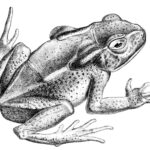
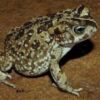
At first glance, Vandijkophrynus inyangae may seem unassuming—a modestly sized amphibian often measuring fewer than 5 centimeters from snout to vent. Its form showcases an attractive adaptation to its leafy, moisture-rich home.
A Master of Camouflage#
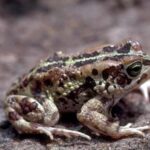
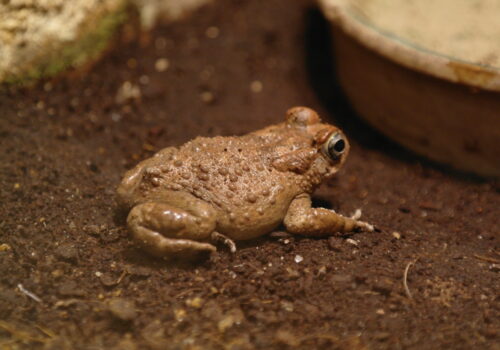
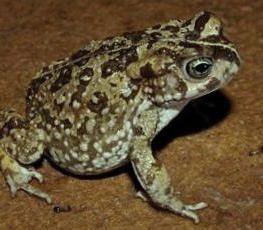
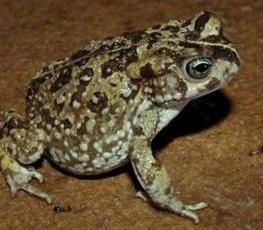
Natural selection has generously bestowed upon these amphibians colors and patterns allowing near-perfect concealment within their grassy domain. Their upper surfaces display mottled shades of browns, olive greens, and earthy grays interspersed occasionally with darker blotches or spots. This coloration isn’t a mere aesthetic—it offers crucial protection, allowing the toads to slip seamlessly into their surroundings, evading the sharp eyes of predators.
Adaptive Morphology#
The skin of Vandijkophrynus inyangae is covered with numerous small, raised warts typical of the true toads, giving them a distinctly rough texture. These wart-like glands secrete mild toxins used as defensive mechanisms, deterring potential predators.
Intriguing Behaviors and an Exceptional Life Cycle#
Feasting Beneath the Moonlight: Diet and Hunting Habits#
As twilight descends, Vandijkophrynus inyangae emerges from its daytime shelters—under leaf litter or moist soil—to begin nocturnal foraging. Using keen predation skills finely tuned over evolutionary time, they consume insects, small spiders, ants, and beetles. Armed with a quick, sticky tongue, these diminutive hunters help maintain a balanced insect population vital to the ecosystem health.
A Symphony in the Grass: Breeding and Mating Calls#
Each rainy season heralds a mesmerizing spectacle as males congregate around shallow pools and quiet, slowly flowing streams, calling softly yet persistently to attract potential mates. Described as gentle yet resonant, these calls form part of the familiar acoustic tapestry of moist African mountain nights.
Following successful courtship, the females gently deposit gelatinous strings of eggs—each containing hundreds of developing embryos—onto submerged vegetation. Here, the offspring begin their remarkable metamorphic journey.
From Tadpole to Toad: A Journey in Microcosm#
Remarkably adapted to their environment, Inyanga Toad tadpoles mature rapidly—a strategy suited to ephemeral pools and unpredictable rainfall common to montane habitats. These larvae feed on microscopic algae and plant material, playing their part in nutrient cycling within water bodies.
With astonishing rapidity, they complete metamorphosis, transitioning from aquatic dependence to terrestrial nimbleness, symbolizing resilience amid changing environmental rhythms.
The Indispensable Ecological Role of Vandijkophrynus inyangae#
As subtle as they may appear, Inyanga Toads fulfill essential ecological duties within their habitats, serving as both predator and prey. Their vigilant insect predation helps balance insect populations, thereby indirectly sustaining healthy plant communities and agricultural lands nearby.
Furthermore, they occupy critical positions in the food web, providing crucial nutrition for predators including snakes, birds of prey, and small mammals. Thus, their ecological influence extends far beyond visible appearances, lending health and stability to their verdant montane realms.
The Threatened Existence: Conservation and the Fragile Future of Vandijkophrynus inyangae#
Sadly, the fragile ecosystems sustaining Vandijkophrynus inyangae face unprecedented pressures from habitat degradation, habitat loss, and climate change. Agricultural expansion, indiscriminate pesticide use, and invasive species have all placed considerable burdens on their small, specialized populations.
IUCN Status and Ongoing Conservation Efforts#
Currently listed as Vulnerable by the International Union for Conservation of Nature (IUCN), the survival of Vandijkophrynus inyangae demands immediate attention. Conservation initiatives abound, focused heavily on preserving natural grassland and wetland habitats within Nyanga National Park and promoting sustainable land-use practices in surrounding communities.
Educational outreach and local engagement form essential portions of these conservation activities, reinforcing community pride and cooperation in protecting their amphibian neighbors.
Cultural and Scientific Significance of Vandijkophrynus inyangae#
Locally, this quiet amphibian provides subtle cultural value, embodying symbols of resilience, adaptability, and environmental health among communities inhabiting the Zimbabwean Eastern Highlands. Scientifically, Vandijkophrynus inyangae offers invaluable insights into highland amphibian ecology and conservation, serving as indicators for environmental quality and soundness within their fragile mountain ecosystems.
Conclusion: A Small Creature with Tremendous Importance#
As evening settles once again over the mist-filled valleys and lush grasslands of Zimbabwe’s Nyanga plateau, one cannot help but reflect on the vulnerable yet resilient life of Vandijkophrynus inyangae. To protect its delicate existence is to preserve a world rich in beauty, wonder, and ecological vitality. For those who listen closely enough, its quiet song speaks volumes. Let us ensure that its chorus continues to grace the highland nights for generations to come.