- Introduction: Encountering Truebella tothastes, the Amazon's Hidden Gem
- Taxonomy and Classification
- Natural Habitat: A Life in Soft Shadows and Moist Microhabitats
- Physical Characteristics: Masterful Camouflage and Intriguing Biology
- Behavior and Life Cycle: Secret Lives in Rainforest Shadows
- Ecological Role: The Indispensable Amphibian within the Rainforest Tapestry
- Conservation Status and Threats: Guarding an Unseen Treasure
- Cultural and Scientific Significance: A Frog That Embodies Wonder and Discovery
- Conclusion: Protecting a Tiny Giant of the Rainforest
Introduction: Encountering Truebella tothastes, the Amazon’s Hidden Gem#
Beneath the dense emerald canopy of Colombia’s pristine Chocó rainforest, nestled among lush undergrowth and moss-clad logs, a diminutive amphibian hides quietly, almost camouflaged into invisibility. Known by scientists as Truebella tothastes, this remarkable frog embodies the very essence of biological diversity and evolutionary artistry. Yet, to many—even the most passionate nature enthusiasts—it remains virtually undiscovered, an enigma wrapped in mystery and ecological significance.
First scientifically described in 1995, Truebella tothastes belongs to the Bufonidae family, commonly known as “true toads.” Despite being part of this broadly studied lineage, the species stands apart as uniquely elusive, rarely observed, and profoundly fascinating to amphibian specialists.
Interestingly, Truebella tothastes derives the species epithet “tothastes” from the Greek words “tothes,” meaning one who swiftly hides, reflecting the frog’s remarkable talent for quick concealment and discreet living. Imagine, a creature so skilled in avoiding detection that even expert herpetologists might overlook it amid the vibrant clutter of leaf litter. Indeed, understanding this elusive frog offers us a glimpse into evolution’s brilliant adaptability in action.
Taxonomy and Classification#
The frog Truebella tothastes resides taxonomically within the expansive family Bufonidae, a group historically rich in ecological diversity. Within this family, it belongs specifically to the genus Truebella, a relatively small grouping characterized by their secretive behavior, intriguing coloration, and restricted geographical range.
Only three species currently constitute the genus Truebella: T. skoptes, T. tecta, and our focal species, T. tothastes. Each of these unique frogs dwells discretely within patches of neotropical rainforest across the Pacific slopes of Colombia. While closely related, each species maintains subtle yet crucial differences in appearance, behavior, and habitat preference that underscore the evolutionary dynamism shaping this region of immense biodiversity.
Natural Habitat: A Life in Soft Shadows and Moist Microhabitats#
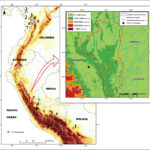
The world of Truebella tothastes revolves intimately around the humid refuge of lowland and lower montane rainforests situated primarily along Colombia’s Pacific-facing slopes. This region harbors astonishing biodiversity, thanks predominantly to consistent precipitation, moderate temperatures, dense canopy cover, and nutrient-rich soils—conditions perfect for amphibian life.
Typically found between 500 and 1,200 meters elevation, this elusive denizen preferentially occupies richly vegetated forest floors adorned with leaf litter, moss-covered logs, and ephemeral pools. Beneath towering Ceiba and Ochroma trees, where sunlight scarcely breaches the thick overhead foliage to reach the shadowed forest floor, T. tothastes thrives quietly, concealed from predators and human sight alike. Their distinctly cryptic coloration enables them to blend effortlessly into a complex mosaic of leaves, soil, and rotting wood—nature’s perfect camouflage artist.
This habitat specialization serves as a form of ecological artistry, evolved meticulously to maximize survival. Rainforest leaf litter is not merely decomposing detritus; it houses entire communities of microscopic organisms, insects, arachnids, and small invertebrates—making it the perfect hunting ground and shelter for these diminutive amphibians. Protecting its fragile habitat is thus critical to the long-term survival of this strikingly adapted species.
Physical Characteristics: Masterful Camouflage and Intriguing Biology#
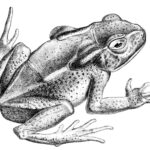
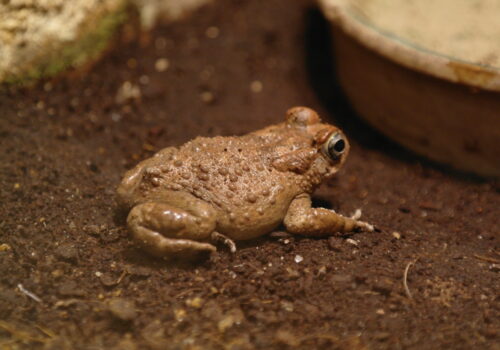
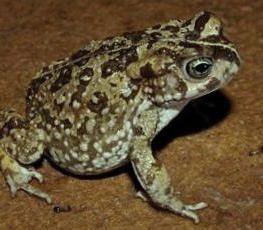
Measuring only about 25 millimeters in length, Truebella tothastes embodies the concept of miniature perfection. Its delicate appearance can deceive the casual observer, masking impressive evolutionary features just beneath the surface. Although small, its stout body is robust, with short but powerful legs adapted for rapid leaps and precise movements through dense vegetation.
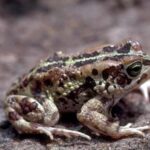
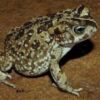
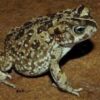
The species’ coloration—a varying palette of earth-toned browns, grays, and subtle greens mottled with dark blotches—renders it nearly invisible within its habitat. Tiny warts scattered across its back provide enhanced textural mimicry of leaf litter, further complicating detection. Dark, expressive eyes are adapted for low-light vision, keenly attuned to spotting the subtle movements of prey even in the dimmest rainforest understory.
When threatened, these frogs employ remarkable evasive maneuvers—freezing completely or rapidly diving among loose leaves. This extraordinary cryptic adaptation underscores nature’s sophisticated artistry in ensuring survival in predator-rich ecosystems.
Behavior and Life Cycle: Secret Lives in Rainforest Shadows#
Stealthy Foragers of the Forest Floor#
Primarily nocturnal, T. tothastes emerges silently at twilight, embarking on its nightly quest for nourishment. These frogs predominantly feast upon tiny insects, mites, springtails, and other micro-arthropods encountered within their secluded microhabitats. Silent stalking, patient waiting, and quick tongue strikes define their predatory strategy—a subtle testament to the hidden drama constantly unfolding beneath the rainforest canopy.
Breeding Behavior and Fascinating Reproductive Tactics#
Following periods of heavy rainfall, when forest streams swell and small temporary pools form, T. tothastes initiates its breeding rituals. The calls produced by males—soft, subdued trills barely audible to human observers—resonate quietly through the lush vegetation, attracting females for brief yet crucial mating encounters.
Females lay their eggs discreetly, depositing strings of gelatinous clusters delicately adhered to undersides of moist leaves or submerged plant parts in shallow pools. Once hatched, tadpoles quickly adapt to temporary aquatic nurseries, a race against time to metamorphose before their pool dries, ensuring their continued survival within this dynamic ecosystem.
Ecological Role: The Indispensable Amphibian within the Rainforest Tapestry#
Although small and elusive, the ecological value of T. tothastes surpasses simple size considerations. Amphibians such as this frog drastically influence their ecosystems, helping to regulate insect populations and simultaneously providing sustenance for diverse predators, including snakes, birds, and larger amphibians.
Moreover, amphibians are essential ecosystem indicators—species whose health directly reflects the broader environmental conditions. Declines or disappearances of frogs such as T. tothastes offer somber warnings about emerging ecological threats, highlighting the urgent need for habitat protection and conservation measures.
Conservation Status and Threats: Guarding an Unseen Treasure#
Presently, Truebella tothastes holds a precarious conservation status as Near Threatened on the International Union for Conservation of Nature (IUCN) Red List. The primary threats include deforestation caused by agriculture expansion, logging activities, and infrastructure developments in their pristine rainforest habitats.
Climate change introduces additional complexity, altering rainfall patterns, increasing drought events, and disrupting breeding cycles. Furthermore, amphibian diseases such as chytridiomycosis increasingly pose threats, potentially devastating their already limited populations.
Local and international conservationists actively advocate for establishing protected reserves, bolstering habitat management, and implementing education and awareness programs to preserve this hidden gem of biodiversity. Supporting these initiatives remains crucial to safeguarding T. tothastes and countless other forest-dwelling species.
Cultural and Scientific Significance: A Frog That Embodies Wonder and Discovery#
In Colombia’s expansive cultural traditions, amphibians often symbolize fertility, rebirth, and environmental vitality. Though T. tothastes has yet to forge extensive cultural iconography due to its elusiveness, the frog has rapidly emerged as symbolic of Colombia’s enigmatic biodiversity treasures.
From a scientific perspective, studying this small but meritorious frog advances our understanding of ecosystem dynamics and evolutionary adaptation. Each study adds critical insights vital to conservation and enhances our collective knowledge of Earth’s intricate wild communities.
Conclusion: Protecting a Tiny Giant of the Rainforest#
Truebella tothastes teaches us many lessons about adaptive survival, ecological interconnectedness, and resilience amid vulnerability. Acting now to conserve the species’ fragile rainforest home will ensure that the enchanting song and delicate leap of this Amazonian marvel persists long into the future.
Together, let us champion nature’s most exquisite hidden treasures and actively contribute to protecting their delicate world. Our shared future, intertwined closely with theirs, depends on the actions and dedication we commit today.