- Introduction to the Enigmatic Truebella skoptes
- Taxonomy and Classification
- Natural Habitat: Guardians of the Cloud Forest
- Physical Characteristics: Beauty in Miniature
- Behavior and Life Cycle: Secret Lives Beneath the Forest Canopy
- Ecological Role: An Indicator and Guardian Species
- Threats and Conservation Status
- Cultural and Scientific Significance: Connecting Nature and Humanity
- Conclusion: Protecting Truebella skoptes and Ushering Hope
Introduction to the Enigmatic Truebella skoptes#
Hidden amidst the lush understory of South America’s cloud forests lies a small but captivating amphibian: the Truebella skoptes. Named scientifically as Truebella skoptes, this elusive, diminutive frog belongs to a group of obscure amphibians rarely glimpsed even by dedicated field biologists. Inhabiting remote and often difficult-to-access regions, the subtle beauty and unique biology of this species have largely escaped public awareness. Yet, its story offers tantalizing insights into ecological balance, evolutionary biology, and the delicate dance between survival and environmental change.
From first discovery to today’s rigorous explorations, Truebella skoptes continues to intrigue researchers seeking to unravel the mysteries beneath its delicate green skin. But beyond academic circles, the species holds a whispered allure—soft, ephemeral, and yet remarkable in its adaptations and survival strategies. Join us as we journey into the misty world this frog calls home, understanding its life, behaviors, and the pressing conservation concerns that shadow its existence.
Taxonomy and Classification#
Understanding any wildlife species begins with its place in nature’s vast tapestry. Truebella skoptes belongs within the taxonomic order Anura, the most diverse and widespread group of amphibians characterized by their tailless forms. More specifically, it is classified within the family Bufonidae—the true toad family—famous for their terrestrial lifestyle and diversity in morphology and behavior.
The genus Truebella, to which our frog belongs, encompasses a small group of highly specialized frogs, each adapted intricately to very particular niches within South America’s canopied forests. Closely related species, such as Truebella tothastes, share ecological similarities that reflect evolutionary pathways carved out through millennia of biological innovation and environmental challenges.
Natural Habitat: Guardians of the Cloud Forest#
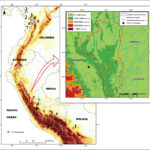
The cloud-laden mountains of Peru provide a mystical backdrop for the life of Truebella skoptes. This species primarily inhabits humid montane forests, particularly cloud forests cloaked in perpetual mists, at elevations ranging from approximately 1,500 to 2,400 meters. Its preference for cool temperatures, high humidity, and dense vegetation makes this frog particularly sensitive to habitat alterations and climate shifts.
A Realm of Mist and Moss#
Step lightly into their habitat, and you feel transported to an ethereal world carpeted in lush mosses and lichen-draped tree trunks. Amidst tangled ferns and bromeliads, the moisture-drenched soils offer an ideal refuge for these amphibians. Their delicate biology mandates stable microclimates, ensuring survival through shelter from direct sunlight and dryness. This highly specialized habitat isn’t simply a passive backdrop; it actively shapes the frog’s biology, behavior, and evolutionary path.
Habitat Interaction and Dependency#
Truebella’s existence relies critically on the healthy structure and dynamics of these cloud forest ecosystems. They play intricate roles by helping control insect populations, and thereby exerting subtle yet impactful influences within the forest’s food web. Conversely, the forest influences their reproductive cycles, social behaviors, and predator-prey interactions—making their survival inseparable from habitat preservation.
Physical Characteristics: Beauty in Miniature#
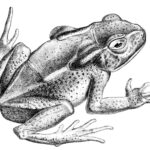
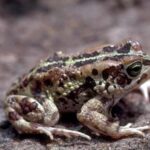
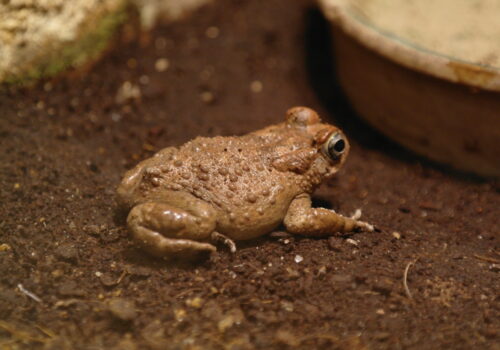
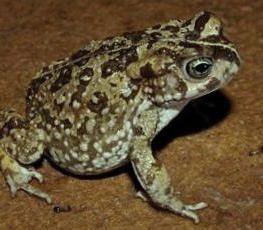
In appearance, Truebella skoptes may at first seem modest, yet its understated beauty reveals itself upon close observation. Adults typically measure just over 20 millimeters, making them perfectly adapted to hide within dense vegetation and leaf litter. Their slender limbs possess finely webbed digits, specialized for delicate movement and climbing across moist vegetation and fallen debris.
Distinctive Coloration and Camouflage#
Their palette ranges primarily from subtle shades of olive and muted browns to variations of moss-green, perfectly blending with surrounding foliage. The dorsal skin often exhibits finely textured granular patterns, mirroring vivid mossy substrates and providing exceptional camouflage from the watchful eyes of predators. Bright eyes that seem disproportionately large gleam with intelligence, constantly tracking movement and adjusting their silent, careful activities accordingly.
Adaptations to Cloud Forest Life#
Remarkably adapted for humid microclimates, their permeable skin enables efficient gas and moisture exchange, necessary for survival in their damp yet fragile environment. These frogs also exhibit metabolic adaptations to cope with temperature fluctuations, an evolutionary response ensuring stability amidst rapid ecological changes characteristic of mountainous climates.
Behavior and Life Cycle: Secret Lives Beneath the Forest Canopy#
Gliding quietly on wet leaves, hopping gently across moss-covered boulders, the daily lives of Truebella skoptes remain largely hidden from casual observation. Primarily crepuscular or nocturnal, activity peaks in twilight hours, safe from visual-focused predators. At night, the subtle calls of males often permeate mist-laden nocturnal symphonies, softly resonating through dense undergrowth.
Feeding Habits: Tiny Predators in Action#
Equipped with agile leaps and precise tongues, their diet consists predominantly of tiny insects—fruit flies, ants, mites, and springtails. Each frog contributes effectively as a miniature carnivore, controlling insect populations and maintaining environmental equilibrium at the micro-level.
Reproduction: Tender Guardians of Nature’s Next Generation#
Breeding behavior in this species exhibits intriguing and somewhat atypical patterns. Unlike the more familiar mass-spawning habits seen in pond-breeding amphibians, these secretive frogs perform intimate rituals within the shelter of bromeliads and damp leaf litter. Females deposit fewer, larger eggs that often receive considerable parental attention—a rare amphibian trait suggesting deep evolutionary investment in balanced survival for offspring.
Tadpoles undergo metamorphosis in isolated, moisture-rich environments, relying upon leaf canals, tree hollows, or water pools nestled amidst forest vegetation. Each developmental stage meticulously matched to the unique demands of cloud forest living, enhancing survival prospects even in highly specialized niches.
Ecological Role: An Indicator and Guardian Species#
The place of Truebella skoptes within its forest ecosystem transcends simple predator-prey relationships. Amphibians like this species serve as bioindicators, natural gauges of the ecological health of their habitats. Due to their permeable skin and dependency on humid conditions, any degradation or shift in environmental quality becomes quickly evident in declining populations or health issues within these indicator species.
By safeguarding the conditions essential for Truebella’s survival, humans can indirectly ensure the preservation of numerous other species within this biologically important and vulnerable environment.
Threats and Conservation Status#
Sadly, the story of Truebella skoptes isn’t untouched by modern environmental challenges. As humanity increasingly alters natural habitats through deforestation, intensive agricultural expansion, and climate change, frogs worldwide—and especially range-restricted species like Truebella—find themselves on precarious footing.
Conservation Concerns: Habitat Loss and Climatic Challenges#
Cloud forests, limited in range yet rich in biodiversity, face significant fragmentation. Habitat degradation reduces available moisture pockets and shifts micro-environments to which species like Truebella are delicately adapted. Furthermore, amphibians globally contend with emerging pathogens, notably the lethal chytrid fungus threatening sensitive high-altitude populations.
Current Conservation Efforts: Steps Towards Protection#
Though labeled as “Data Deficient” by the IUCN due to limited field data, conservation strategies emphasize habitat preservation and research-driven policies protecting critical forest zones. Efforts by scientific researchers and local communities to establish conservation areas and implement proactive forestry practices offer hope for safeguarding this rare amphibian species into the future.
Cultural and Scientific Significance: Connecting Nature and Humanity#
Although largely unknown outside academic spheres, species like Truebella skoptes hold potential for invaluable scientific discoveries. Studying their unique physiology may yield insights into ecological resilience, responses to climate variability, and amphibian evolution. Beyond scientific exploration, these creatures represent vital links in cultural heritage, functioning as symbols of an ecosystem humanity must strive to protect.
Conclusion: Protecting Truebella skoptes and Ushering Hope#
Truebella skoptes, in quiet ways, epitomizes the delicate dance of life amid ecological uncertainty. Protecting this frog thus becomes about more than a single species—it’s about preserving an intricate, interconnected system upon which we all intrinsically depend. Becoming advocates for Truebella means becoming custodians of our planet’s shared heritage.
Join the conversation, support conservation initiatives, and together, let’s ensure the future of the remarkable little creature hidden in the mists—Truebella skoptes.