- Introduction: A Glimpse into the Transparent World of Chimerella corleone
- Taxonomy and Classification: Where the Corleone Frog Fits in Nature’s Tree of Life
- Natural Habitat: Cloud Forests of the Tropical Andes
- Physical Characteristics: The Miraculous Transparency of Chimerella corleone
- Behavior and Life Cycle: Secretive Lives of Transparent Wonders
- Ecological Role: Guardians of Ecosystem Health
- Threats and Conservation Status: Vulnerability Amidst Fragile Ecosystems
- Cultural and Scientific Significance: Why Chimerella corleone Matters
- Conclusion: Why Protecting Chimerella corleone is Protecting Ourselves
Introduction: A Glimpse into the Transparent World of Chimerella corleone#
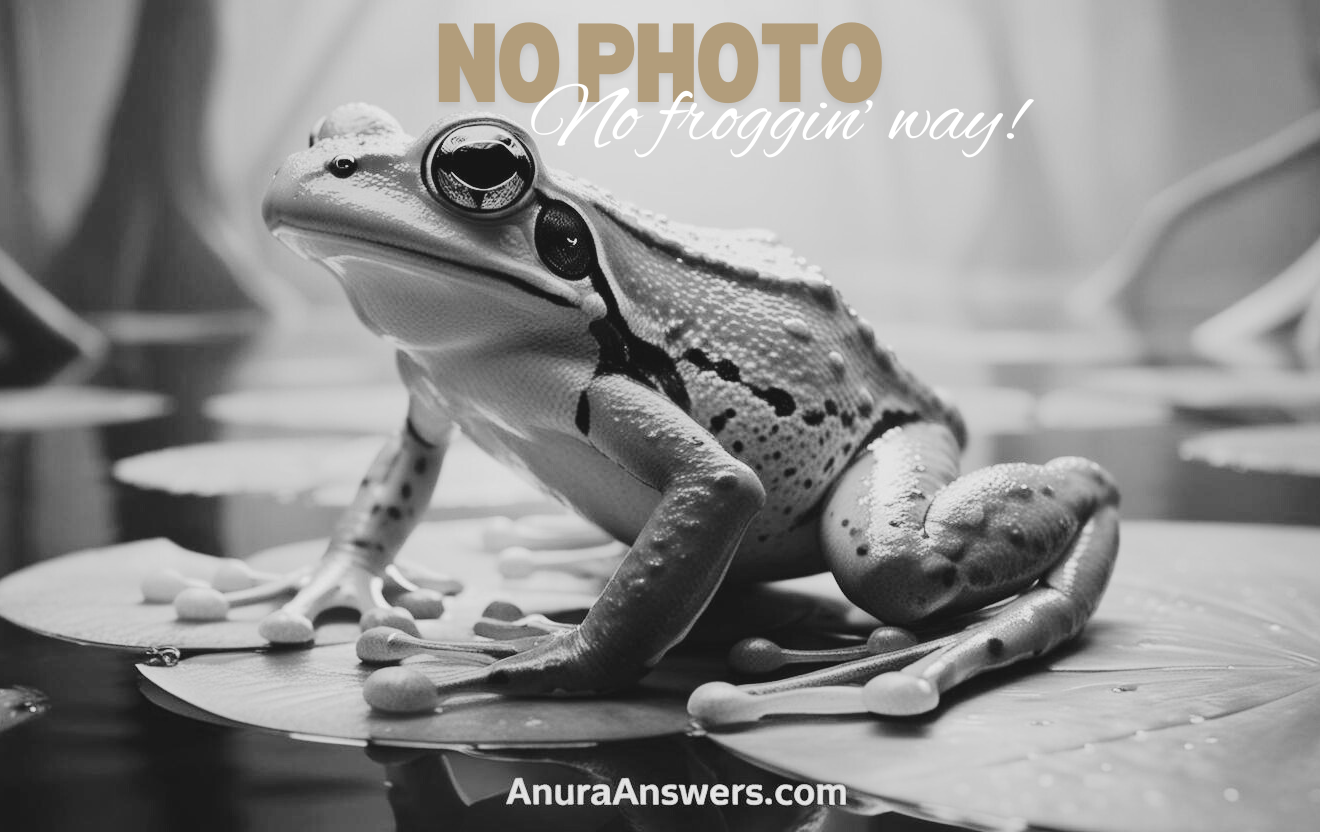
Hidden amidst the emerald foliage and delicate mists of the Andean cloud forests, a small, translucent amphibian dwells in silent secrecy. Chimerella corleone, affectionately known to scientists and enthusiasts alike as the Corleone glass frog, offers an enchanting spectacle rare even among Earth’s most extraordinary creatures. Named evocatively after the fictional mafioso family in recognition of its elusive behavior, this extraordinary animal features a see-through underside, displaying in stark clarity the delicate heartbeat and internal organs—a mesmerizing window into nature’s evolutionary ingenuity.
Belonging to a peculiar group known broadly as ‘glass frogs,’ Chimerella corleone captures our imagination, prompting us to contemplate how adaptation, ecology, and conservation intersect in the rain-soaked mountains it calls home. Embark now on a journey as we delve deep into the lush tapestry of its mysterious life, weaving science with storytelling to reveal a species whose survival intertwines intimately with the fate of its cloud forest refuge.
Taxonomy and Classification: Where the Corleone Frog Fits in Nature’s Tree of Life#
The captivating Chimerella corleone sits comfortably within the extensive and biologically intriguing Centrolenidae family, commonly known as glass frogs. First scientifically described in 2014, its genus, Chimerella, reflects the enigmatic nature of its discovery—initially difficult to categorize due to shared characteristics from various glass frogs. Genetic analyses, however, soon confirmed its distinct standing, making it the fascinating species it is recognized as today.
This glass frog species inhabits a closely knit evolutionary relationship with other prominent species within its family, such as those belonging to the genera Hyalinobatrachium and Centrolene. Still, it maintains subtle distinctions, both morphological and genetic, carving out a unique ecological niche and further intensifying its biological intrigue.
Natural Habitat: Cloud Forests of the Tropical Andes#
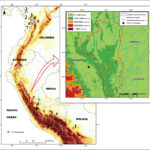
Chimerella corleone inhabits the verdant slopes and mist-covered valleys of the Amazonian foothills and eastern slopes of the Andes, principally in Peru. These extraordinary cloud forests—biologically rich, mountainous ecosystems regularly cloaked in dense fog—provide the perfect refuge for this small amphibious hermit. Typically, it can be found within an altitude range of approximately 1000 to 2000 meters above sea level, areas characterized by copious rainfall, constant humidity, and lush vegetation.
In these mist-defined habitats, fast-flowing streams carve serpentine paths through steep hillsides, and ferns, bryophytes, orchids, and bromeliads flourish. Such biodiversity-rich habitats present crucial interactions that shape this small amphibian’s existence. The Corleone frog depends profoundly upon clean water for reproduction—larvae thrive only in pristine streams, making them invaluable barometers of environmental health and water quality.
Moreover, their transparent bodies ingeniously mirror the sparkling dew drops and translucent leaves of canopy vegetation and foliage understory, highlighting their exquisite form of camouflage. It’s no wonder that sightings are rare, their presence frequently unnoticed unless specifically sought out by trained field researchers, quietly attuned to detecting their subtle nighttime vocalizations.
Physical Characteristics: The Miraculous Transparency of Chimerella corleone#
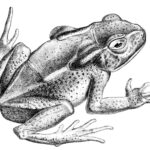
The allure of Chimerella corleone lies primarily in its ethereal transparency—a remarkable evolutionary adaptation. Adults are small, generally ranging between 20 to 25 millimeters in length, but despite this modest size, their appearance leaves an unforgettable impression. Their Colombian emerald and subtle lime-green coloration on their upper body contrasts strikingly against their transparent ventral surface and limbs, providing them with stellar disruptive camouflage to evade predators.
Most remarkably, their translucent bellies expose all internal organs—heart, liver, and digestive tracery are plainly visible beneath clear, delicate skin. Scientists theorize this transparency serves primarily as camouflage against predators, eliminating obvious tell-tale shadows and visually concealing them against clusters of translucent leaves. Furthermore, the frog’s slightly webbed feet and shallow snout are finely adapted for life within damp, leaf-strewn vegetation near fast-moving mountain streams.
Those fortunate enough to encounter Chimerella corleone often recount in astonishment the near-magical sight of its heartbeat rhythmically pulsing beneath delicate belly skin—a sight that reminds them poignantly of life’s precious fragility and vivid interconnectedness.
Behavior and Life Cycle: Secretive Lives of Transparent Wonders#
Feeding Habits and Predatory Strategies#
As tiny predator-insectivores, Corleone glass frogs demonstrate impressive hunting prowess. Active primarily at night, they rely keenly upon vision and extraordinary agility to seize small insects, moths, beetles, and flies that abound amidst the rich foliage. Swift lunges and accurate leaps onto unsuspecting prey bear witnesses to incredible coordination and precision, fueled by metabolic systems barely obscured beneath the frogs’ transparent skin.
Mating Calls and Reproductive Rituals#
With the onset of rainy seasons, male Corleone frogs perch nonchalantly on damp vegetation overhanging fast-flowing mountain streams and vocalize gentle, high-pitched calls to attract females. These calls, soft chirping serenades almost indistinguishable from ambient rainforest noise, serve both to court potential mates and delineate breeding territories.
After successful courtship, females deposit gelatinous egg masses on leaves hanging conveniently above streams. Parental behaviors among Chimerella corleone are minimal; adults showcase trust in natural environmental rhythms for offspring survival. Upon hatching, the tiny tadpoles gracefully drop and submerge directly into stream water below, proceeding through aquatic developmental stages until transforming into miniature adults, readying themselves to ascend into familial forest habitats and continue the cycle anew.
Ecological Role: Guardians of Ecosystem Health#
An effective biological sentinel, Chimerella corleone reflects the health and integrity of the cloud forest ecosystem. Sensitive as they are to environmental pollutants and climate fluctuations, their thriving populations signal a stable, healthy rainforest habitat. Conversely, population declines, whether subtle or rapid, offer conscientious reminders of looming ecological threats and systematic disturbances such as water pollution, habitat fragmentation, or climate impacts.
Moreover, their vital ecological role extends within the food web hierarchy—predator insects balance insect populations crucially, simultaneously serving as nourishment for avian and arboreal mammals adapted to these high elevation forests. Ecological harmony and survival in these dynamic mountainous forests are increasingly intertwined uniquely with these silently chirping glass jewels.
Threats and Conservation Status: Vulnerability Amidst Fragile Ecosystems#
Even amidst their remote habitats, Chimerella corleone faces increasing dangers. Deforestation driven by agricultural expansion, logging, and road construction threatens their delicate habitats. Global climate changes bringing altered rainfall patterns critically modify breeding habitat availability and stream ecology. Furthermore, pollution and agrochemical runoff threaten the pristine quality of water vital for tadpole development—thus imperiling entire future generations.
Despite these threats, Chimerella corleone presently lacks official IUCN classification, with further focused studies urgently required toward accurately assessing its population health and implementing conservation strategies effectively. Localized conservation initiatives in Peru now emphasize habitat protection, community education, research advancement, and sustainable livelihoods promotion safeguarding these invaluable biodiversity hotspots. Clearly, continued collaborative efforts remain central for protecting subtle yet charismatic species like this transparent sentinel.
Cultural and Scientific Significance: Why Chimerella corleone Matters#
Scientifically, Chimerella corleone has provided research biologists insight into unique adaptations involving transparency, camouflage, and predator-prey interactions within intricate ecosystems. Additionally, indigenous Andean communities embrace amphibians symbolically as key guardians of water, subtle reminders of delicate ecological relationships and traditional cultural reverence towards nature respecting species like glass frogs.
Conclusion: Why Protecting Chimerella corleone is Protecting Ourselves#
Every glimpse into the extraordinary existence of Chimerella corleone underscores our profound interconnectedness with the natural world around us. By protecting this elusive glass frog, we reinforce conservation efforts preserving irreplaceable cloud forests so abundant with life and biodiversity. Each heartbeat seen through translucent skin is not just a biological spectacle; it serves as a clear reminder and invitation for collaboration, stewardship, and appreciation of nature’s quiet wonders.
Let Chimerella corleone’s fragile beauty inspire responsibility toward environmental preservation. In championing its protection, fostering awareness, and acting collectively, we ultimately safeguard the ecosystems supporting both amphibian and human lives.