Vandijkophrynus gariepensis: Exploring the Remarkable Gariep River Toad#
Hidden amongst the grasses and shrubs near the banks of southern Africa’s flowing rivers, a small yet resilient amphibian goes quietly about its life—Vandijkophrynus gariepensis, known commonly as the Gariep River toad. Named after the majestic Gariep (Orange) River, this charming and subtly colored species might escape notice at first glance, blending seamlessly into the earth-toned habitats it calls home. Yet behind its modest appearance and quiet demeanor lies a fascinating tale of adaptation, survival, and ecological importance.
This intriguing member of the Bufonidae family is an essential character in southern Africa’s environmental narrative. Beyond its scientific and ecological importance, the story of the Gariep River toad illuminates broader topics of conservation, habitat change, and the delicate balance required to maintain our planet’s biodiversity. Join us as we embark on a vivid exploration into the life, habits, and future of Vandijkophrynus gariepensis.
Taxonomy and Classification#
The Gariep River toad, scientifically known as Vandijkophrynus gariepensis, is nestled within the Bufonidae family—commonly known as true toads. This family is characterized by their chunky bodies, dry and warty skin, and distinctively horizontal pupils. Within its genus, Vandijkophrynus, it shares the spotlight with a select group of closely related toads adapted uniquely to their arid and semi-arid habitats throughout southern Africa.
Previously grouped under the genus Bufo, taxonomic revisions driven by molecular insights have streamlined these toads into more precisely defined genera. Thus, our unassuming Gariep River friend is now rightfully considered part of the genus Vandijkophrynus, reflecting its evolutionary heritage and highlighting the uniqueness of its adaptations to regions defined by extremes—extended drought punctuated by sudden floods and rains.
Natural Habitat#
Geographic Distribution#
The Gariep River toad boasts a distinct geographical range primarily spreading across Namibia, southern Botswana, and South Africa, specifically linked to the catchments of the iconic Gariep (Orange) River. Within this range, the toad occupies semi-arid to arid landscapes meticulously adapted to scarce water availability and fluctuating environmental conditions.
Not limited to rivers alone, this adaptable amphibian thrives across a variety of habitats dominated by savanna woodlands, grasslands, and shrublands. They seldom stray far from water sources, which include permanent and temporary bodies of water—small ponds formed after seasonal rains, pools in rocky outcrops, or streams that flow intermittently through an otherwise parched landscape.
Habitat Preferences and Adaptations#
Vandijkophrynus gariepensis demonstrates remarkable resilience and adaptability within an ecosystem characterized by harsh, uncompromising weather. During the dry seasons, you might rarely encounter these hidden residents, as they seek shelter beneath boulders or in damp, shaded leaf litter, protecting themselves from desiccation and predators alike. They harness their remarkable capability to excavate or occupy subterranean burrows, effectively maintaining hydration and sheltering from extreme temperature fluctuations.
With the dramatic arrival of seasonal rains, however, this modest toad transforms into an active part of its ecosystem—congregating around breeding pools, chorusing collectively into the night, and becoming highly visible participants in the ecological boom that follows rainfall events.
Physical Characteristics#
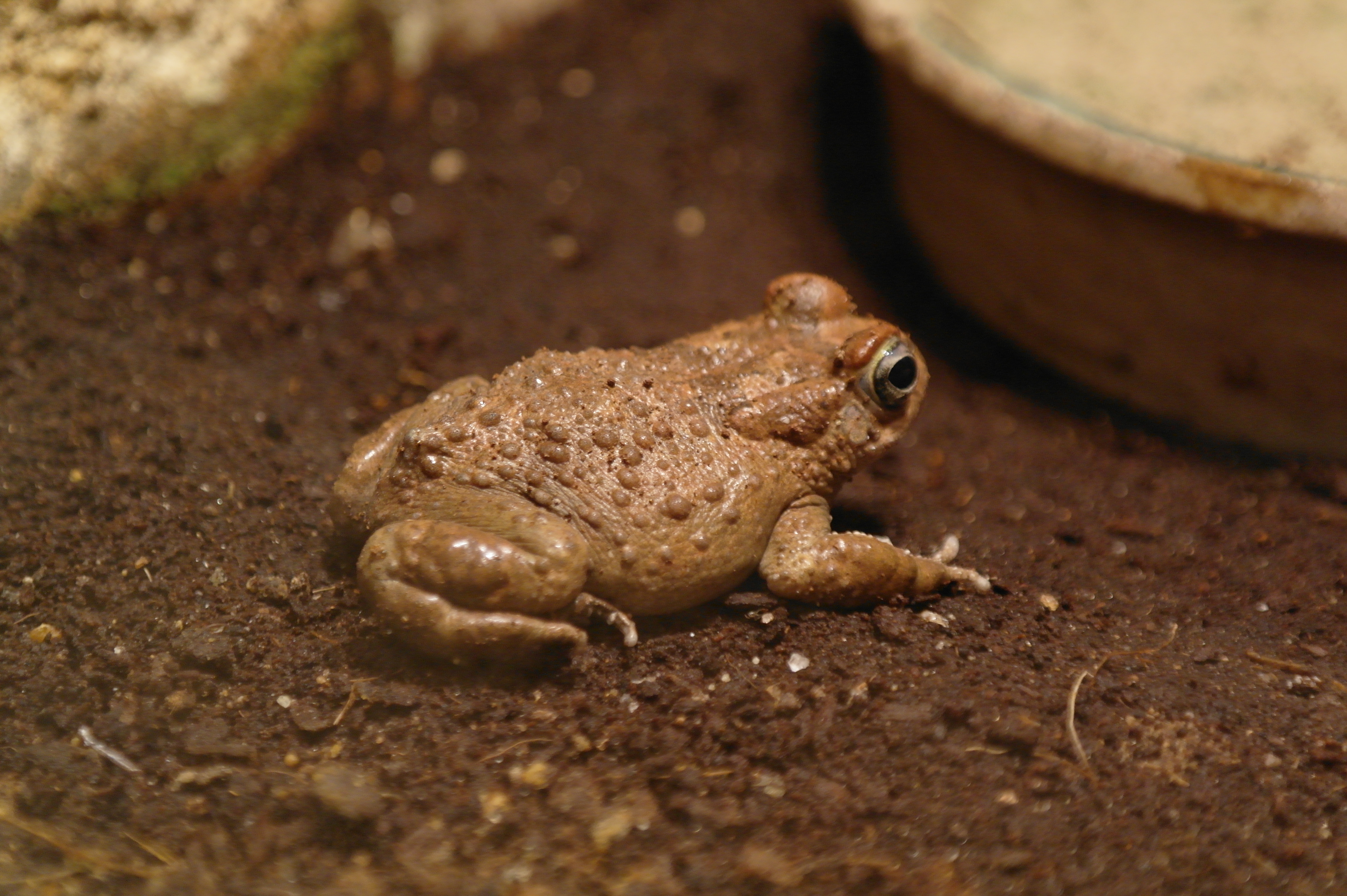
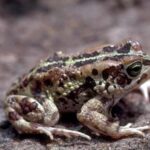
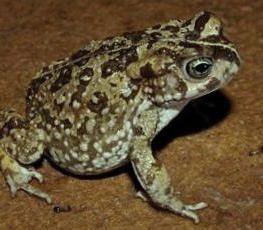
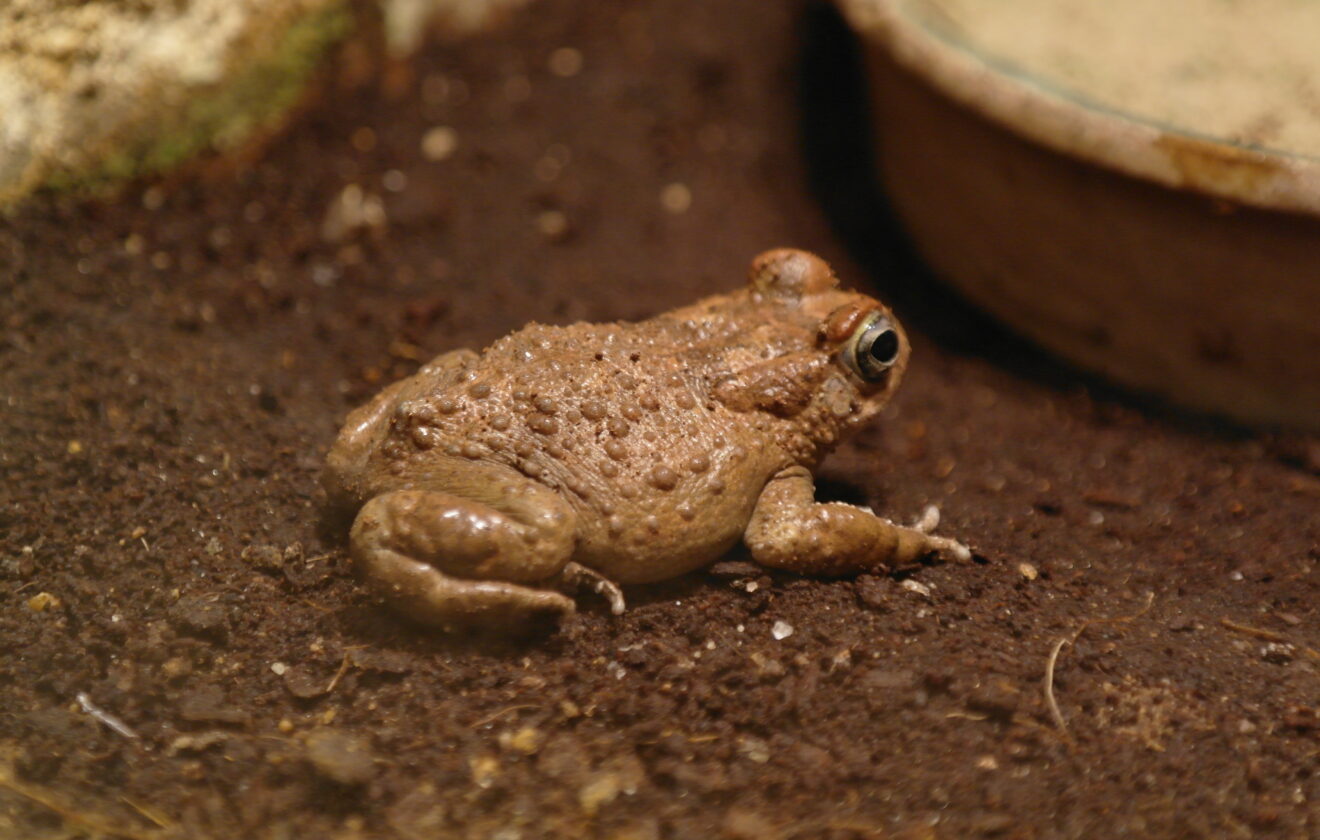
The Gariep River toad is modest in stature, measuring roughly between 40 and 70 millimeters in length. Despite its small size, it possesses a distinctive robustness typical of true toads, with a rounded body and relatively short limbs adapted for a terrestrial way of life.
The color palette of this species provides an exquisite example of cryptic adaptation. The dorsal side is usually a symphony of shades between sandy browns, grays, and muted olive tones, punctuated with darker markings, making them well-camouflaged inhabitants of soils and rocks in their dry habitats. Their skin is characteristically rough with wart-like protrusions—covered in minute glands—and this textured skin aids in moisture retention, a critical adaptation to semi-arid environments.
The eyes of the Gariep River toad provide another remarkable adaptation, featuring horizontal pupils that aid vision during dusk or dawn hours, when these amphibians frequently venture out to forage. Like many toads, their enlarged parotoid glands, positioned behind the eyes, secrete toxins serving as potent defenses against predators—a clear evolutionary measure to ensure survival in habitats filled with myriad threats.
Behavior and Life Cycle#
Foraging and Diet#
As night descends over the arid landscape, and temperatures become tolerable, Vandijkophrynus gariepensis emerges cautiously from its daytime refuge to forage. Their diet comprises a diverse menu primarily made up of insects and other small arthropods. Beetles, ants, termites, and crickets are common prey, easily captured by the toad’s swift, sticky tongue. Occasional meals might include spiders or fresh insect larvae, depending on availability.
This opportunistic feeding behavior suits their unpredictable habitats perfectly, granting the flexibility required to thrive in changing environmental conditions—from extended dry periods with scarce prey to wet months teeming with insect life.
Mating and Reproductive Behaviors#
Following significant rains, a rapid shift occurs that signals the availability of breeding grounds. Triggered by rising humidity and sustained rainfall, male Gariep River toads congregate near temporary pools and begin their distinctive mating choruses—low, gentle trills that ripple across the darkness, drawing females toward the breeding sites.
After mating, females lay strings of gelatinous eggs delicately suspended within shallow water, often attached to submerged vegetation. As the eggs hatch, the water-filled pools become teeming nurseries filled with developing tadpoles. Tadpoles demonstrate remarkable developmental speed—a crucial adaptation ensuring they mature fully into terrestrial juveniles before temporary pools evaporate under the intense African sun.
Ecological Role#
Though modest in size, the Gariep River toad performs a vital ecological role as both predator and prey within its sensitive ecosystem. Controlling insect populations, it helps regulate agricultural and ecological health, making these toads important allies, particularly within semi-arid agricultural areas.
Yet, these toads also serve as prey for various predators, including snakes, birds of prey, and mammals like mongooses. Their balanced presence thereby supports rich biodiversity and sustained ecological health within their habitats.
Threats and Conservation Status#
According to the current evaluations by the International Union for Conservation of Nature (IUCN), Vandijkophrynus gariepensis is presently classified as ‘Least Concern.’ However, as human activity intensifies, the Gariep River toad faces increased challenges. Habitat disruption, pollution of waterways through agricultural runoff, and climate-driven alterations in rainfall patterns are threats that, while not critically endangering today, could impact future populations significantly.
Ongoing monitoring remains critical. Conservation efforts in the region increasingly emphasize habitat preservation, clean water management, and awareness-building initiatives aimed at protecting amphibians from broader global threats like chytrid fungus and habitat loss.
Cultural and Scientific Significance#
Within local communities situated near the Gariep River basin, wildlife, including amphibians like the Gariep River toad, serve as indicators of environmental health. Their persisting presence symbolizes balanced ecosystems for local populations who traditionally understand ecological signals bestowed by wildlife.
Scientifically, amphibians such as Vandijkophrynus gariepensis provide valuable insights into how animals adapt physiologically and behaviorally to rapidly changing environmental conditions, encapsulating lessons of broader significance in our understanding of global climate dynamics and habitat resilience.
Conclusion#
The Gariep River toad remains a quietly remarkable symbol of adaptation, ecological connectivity, and conservation in southern Africa. Its humble presence heralds vital lessons, gently reminding us that every species—no matter how inconspicuous—has an integral role within the intricate web of life that sustains our planet.
Let us celebrate and protect this resilient amphibian, understanding that safeguarding its future ultimately ensures the vibrant landscapes of southern Africa continue thriving for countless generations to come.