- Discovering Vandijkophrynus angusticeps: The Fascinating Life of South Africa's Sand Toad
- Taxonomy and Classification: Understanding Its Place in Nature
- Natural Habitat: Life Among the Sands and Grasses
- Physical Characteristics: Built to Blend In and Survive
- Behavior and Life Cycle: Unveiling the Hidden Lives of the Sand Toad
- Ecological Role: Integral Players in a Delicate Ecosystem
- Threats and Conservation Status: Vulnerability Amidst Environmental Challenges
- Cultural and Scientific Significance: Symbolism and Sustainability
- Conclusion: Fostering Awareness and Appreciation
Discovering Vandijkophrynus angusticeps: The Fascinating Life of South Africa’s Sand Toad#
The enchanting landscapes of southern Africa harbor many secrets, each taking its unique form in a splendid dance of evolution and adaptation. Among the diverse amphibian fauna gracing these regions is Vandijkophrynus angusticeps, commonly called the Sand Toad or Cape Narrow-headed Toad. Its name alone conjures images of elusive, delicate creatures camouflaged beautifully in their sandy environments. More than just another amphibian, Vandijkophrynus angusticeps carries stories of remarkable adaptation, ecological importance, and a window into the health of its habitats. Join me on an immersive journey into the captivating life of this little-explored amphibian.
Taxonomy and Classification: Understanding Its Place in Nature#
Every species has its lineage, its biological ancestry tracing back through millennia. Classified within the Bufonidae family, Vandijkophrynus angusticeps nestles within a family famously known as the true toads. Its genus, Vandijkophrynus, honors Eddie van Dijk, a renowned South African herpetologist whose dedication to amphibian research illuminated previously overlooked species.
Previously grouped under the genus Bufo, Vandijkophrynus angusticeps was later reclassified after genetic studies revealed crucial differences demanding scientific acknowledgment and a new genus name. Within its genus, it closely relates to other narrow-headed toads scattered across southern Africa, each adjusting subtly to local environments. Dynamic and fascinating, the taxonomic reshuffling underscores its unique evolutionary path and distinct genetic story worthy of further exploration.
Natural Habitat: Life Among the Sands and Grasses#
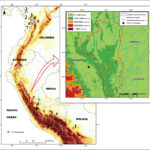
Vandijkophrynus angusticeps resides primarily in the southernmost tip of Africa, situated across the Western and Eastern Cape Provinces of South Africa. This intriguing corner of the continent hosts an astonishing intersection of ecosystems—from the dry Karoo semi-desert to the moister fynbos heathland and coastal sand dunes.
The Art of Camouflage amidst Shifting Sands#
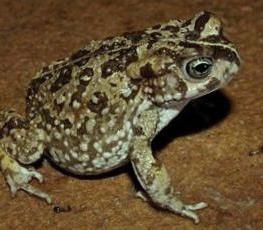
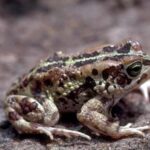
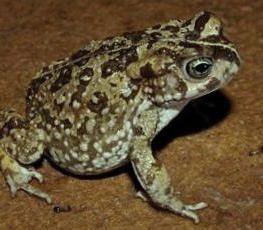
If one were to wander the sandy regions and coastal heathlands where Vandijkophrynus angusticeps thrives, spotting one of these cryptic amphibians would require patience and a particularly keen eye. Their remarkable coloration mimics the subdued hues of sand and dry leaves, enabling them not only to evade predators but also to lie in wait, stealthily capturing prey.
These adaptable toads often prefer sandy and loose soil habitats, usually near vegetation like grasses and low shrubs that provide both shelter and sustenance. Coastal dunes, sandy flats, and lovingly sunlit clearings in fynbos vegetation conjure a perfect haven, offering concealment from predators and plentiful opportunities to feed and breed.
Physical Characteristics: Built to Blend In and Survive#
The Cape Narrow-headed Toad, true to its name, features a remarkably slender, elongated head, distinctly narrower than many of its round-headed amphibian relatives. Its streamlined shape allows it to navigate effectively underneath leaf litter and sandy soils to ambush prey and seek protection.
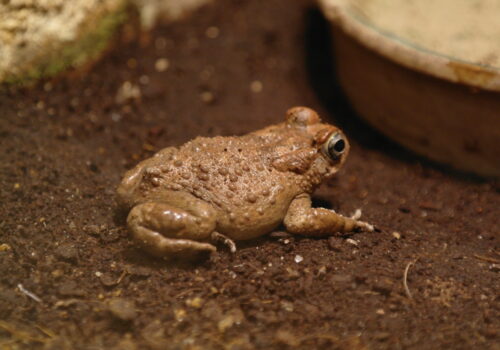
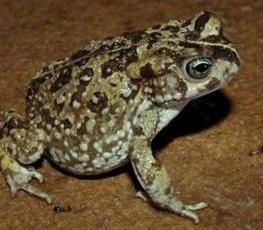
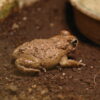
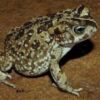
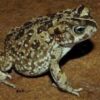
Adult Sand Toads usually measure between 40 and 50 millimeters in length, with females slightly larger than males. Their colors range from sandy beige to dark brown, peppered with intricate mottling patterns that closely match their terrestrial environment. The eyes, large and expressive, protrude upwards, positioned strategically to spot predators or prey even when partially buried beneath the soil. Their skin, rough and warty—a prominent feature of Bufonidae toads—contributes further to their charm, blending tactile protection with superb camouflage.
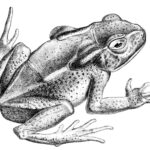
The hind limbs are muscular yet relatively short, suited to their primarily terrestrial lifestyle, favoring scrambling and brief hops rather than extended leaps or climbing. This builds a picture of a creature marvelously adapted to life in open, sandy, terrestrial habitats—both elusive predator and agile survivor.
Behavior and Life Cycle: Unveiling the Hidden Lives of the Sand Toad#
Hunting with Stealth and Precision#
The Sand Toad is primarily nocturnal, venturing forth after sunset to hunt insects, spiders, ants, termites, and small invertebrates that wander onto the sand surface. With precise strikes from a swift, sticky tongue, Vandijkophrynus angusticeps secures its nightly meals, a crucial skill in its unpredictable habitat.
Breeding Under the Cover of Darkness#
Rains signal renewal, especially in dry habitats, swiftly igniting breeding instincts among Vandijkophrynus angusticeps populations. Like many other toads, their breeding behavior peaks after seasonal rains, typically around spring or early summer. Aggregations of males gather, emitting gentle yet persistent calls, soft trills resonating through the night air, seeking out responsive females.
Egg-laying generally happens in shallow, temporary pools—ephemeral bodies of water left by sudden rains. Females lay gelatinous strands filled with thousands of tiny eggs, carefully positioned away from established predators, giving the tadpoles a fighting chance at survival. The resulting tadpole stage will undergo a relatively quick metamorphosis, needing to mature rapidly before the temporary water bodies vanish beneath another wave of dryness.
Ecological Role: Integral Players in a Delicate Ecosystem#
Like other amphibians, Vandijkophrynus angusticeps serves as an invaluable link in its ecosystems—both as predator and prey—playing a pivotal role in controlling insect populations and sustaining the food web. These toads not only regulate local insect abundances but also provide critical sustenance for birds, reptiles, and small mammals in the food chain hierarchy. Additionally, their presence or absence acts as a bioindicator, signaling changes in habitat health and environmental stability—making them critical signals of ecosystem integrity.
Threats and Conservation Status: Vulnerability Amidst Environmental Challenges#
Vandijkophrynus angusticeps, like countless amphibians worldwide, faces a complex array of threats that test its resilience. Habitat destruction and degradation rank high among these pressures, with expanding agriculture, urbanization, and unchecked coastal development fragmenting or outright destroying their delicate habitats. Pesticide exposure and pollutants infiltrating local waterways also pose considerable risk due to amphibians’ unparalleled skin permeability, making them susceptible to toxins.
Climate change represents yet another looming threat, challenging Vandijkophrynus angusticeps particularly due to their reliance on seasonal rains and temporary pools. Shifts in rainfall patterns and increasing drought periods reduce breeding opportunities, impacting the frogs’ reproduction and potentially tipping populations towards decline.
The International Union for Conservation of Nature (IUCN) currently lists Vandijkophrynus angusticeps as a species of “Least Concern.” However, this status signals not complacency but a call to proactive monitoring. Vigilance is crucial to prevent this adaptable toad from sliding towards a more critical conservation category.
Cultural and Scientific Significance: Symbolism and Sustainability#
In southern African cultures, toads and frogs often symbolize rain, rebirth, and fertility—their emergence from hidden burrows after rainfalls embodying renewal and life. Although Vandijkophrynus angusticeps may yet to achieve significant distinct cultural attention individually, it contributes to the rich tapestry of biodiversity that informs cultural wisdom and traditions, reminding us how intricately humanity intertwines with nature.
Scientifically, amphibians like Vandijkophrynus angusticeps represent critical subjects for ecological research, particularly in understanding environmental sensitivity and resilience. They serve as early indicators of ecosystem shifts, environmental health, and disease transmission dynamics, thus playing a pivotal role in broader ecological studies and conservation strategies.
Conclusion: Fostering Awareness and Appreciation#
Vandijkophrynus angusticeps, the Sand Toad, is more than just a small amphibian species inhabiting southern Africa’s maritime sands and grassy islands. It illustrates vividly how life adapts beautifully to its environment—harmonizing with the rhythm of rain and sun, sand and vegetation. Each individual silently narrates stories of evolutionary success, ecological significance, and sensibility to a rapidly changing world.
If there is one enduring message gleaned from the fascinating life of these elusive amphibians, it is undoubtedly conservation’s necessity. Armed with knowledge and deep appreciation, we, as stewards of nature, have a profound responsibility to safeguard their habitats and protect their remarkable presence. Whether you’re a student, conservation advocate, or an admirer of nature’s endless surprises, let the captivating narrative of Vandijkophrynus angusticeps inspire you toward awareness, understanding, and meaningful action—ensuring our planet retains the quiet wonder found in even the smallest of creatures.