- Hidden Jewels of the Rainforest: Discovering the Linanit Dwarf Toad (Pelophryne linanitensis)
- Taxonomy and Classification of Pelophryne linanitensis
- The Natural Habitat: A Hidden Realm in Borneo’s Forests
- Physical Characteristics: Understanding the Linanit Dwarf Toad
- Behavior and Life Cycle of Pelophryne linanitensis
- Ecological Role: Tiny Yet Crucial
- Threats and Conservation Status
- Cultural and Scientific Significance
- Conclusion: Advocating for the Hidden Treasures of Borneo
Hidden Jewels of the Rainforest: Discovering the Linanit Dwarf Toad (Pelophryne linanitensis)#
Deep within the dense brush of Borneo’s pristine rainforests, countless hidden gems elude human eyes, shimmering quietly away from view. Among these jewels is the Linanit Dwarf Toad (Pelophryne linanitensis), a diminutive and enigmatic amphibian, whose discreet presence reflects the fragile beauty of an undocumented wilderness. Rarely observed and often overlooked, this species invites curiosity and respect, awakening our natural instinct to explore and protect the wonders hidden in these ancient landscapes.
Though small and unobtrusive, the Linanit Dwarf Toad plays an invaluable role in maintaining ecological harmony within its confined habitat. Its existence, alongside countless other wildlife, weaves together the rich tapestry of biodiversity, each thread indispensable and delicately interconnected. As we venture deeper into the rainforest’s core, we begin to unravel the mysteries surrounding this remarkably specialized creature and the urgency required to ensure its continued presence amid modern-day ecological pressures.
Taxonomy and Classification of Pelophryne linanitensis#
Pelophryne linanitensis, the Linanit Dwarf Toad, belongs to the family Bufonidae, commonly known as the true toads. Within this extensive family, Pelophryne represents a distinct genus recognized for small size and habitat specialization. Defined and named scientifically in recent decades, the genus hosts several closely related species, all sharing subtle adaptations that allow them to flourish inconspicuously, hidden within dense foliage and humid environments.
Initially described and scientifically recognized by Das in 2008, P. linanitensis had remained overlooked by science until targeted herpetological explorations in the region shed light upon its existence. Since then, this toad has contributed profoundly to understanding the biodiversity of Borneo’s montane forests, prompting further research into the adaptive mechanisms and evolutionary paths that created this resilient little amphibian.
The Natural Habitat: A Hidden Realm in Borneo’s Forests#
Geographic Range and Distribution#
The Linanit Dwarf Toad is endemic to Borneo, specifically within the boundaries of Malaysia’s Sarawak region. Its native habitat sits at altitudes ranging from approximately 1,200 to 2,000 meters above sea level, confined tightly within isolated highland and montane forests. This geographically restricted distribution means that encountering this species requires deliberate exploration, extensive knowledge, and careful observation, as it remains deeply hidden within these remote ecosystems.
Microhabitats and Specialization#
While Borneo boasts a vast repertoire of habitats—from swampy lowlands to mountainous rainforests—the Linanit Dwarf Toad has meticulously specialized its lifestyle for a unique ecological niche. You will find them mostly in moss-covered branches, leaf litter, damp rocky crevices, and moist shaded understory vegetation. Here, humidity remains consistently high, temperatures comfortably mild, and exposure to predator species limited.
This microhabitat preference enables the Linanit Dwarf Toad to thrive within its isolated realms, maintaining intimate ecological interactions with mosses, lichens, fungi, insects, and micro-organisms—building a delicate ecological network that supports an array of interdependent species. Their role in nutrient cycling helps maintain the delicate balance necessary for a vibrant, ongoing health of these forest ecosystems.
Physical Characteristics: Understanding the Linanit Dwarf Toad#
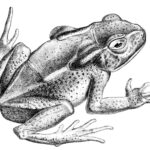
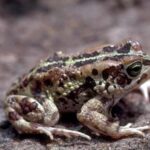
Measuring no more than a modest 20–25 millimeters, Pelophryne linanitensis embodies the definition of subtlety and discretion. Its diminutive stature allows for seamless camouflage amidst darkened moss patches, fern fronds, and moist barks. Its rounded shape and understated coloration—a mottled blend of olive, dark green, brown, and slate gently patterned to mimic lichen growth—render the frog nearly invisible within its habitat.
The toad’s skin texture further aids its disguise; it features granular textures, bumps, and occasional rough patches similar to the surface of tree bark or moss-covered leaf litter. Enlarged parotoid glands typical of true toads distribute subtle toxins that protect against some would-be predators, providing the Linanit Dwarf Toad a chemical defense system to complement its visual camouflage.
The bright golden or tan patches often observed around eyes or undersides of the limbs also provide additional camouflage, suggesting breaks in the natural landscape, shadows, or reflective highlights, complimenting skillfully their surroundings, thus reducing the chance of detection by predators such as forest birds, snakes, and small carnivorous mammals.
Behavior and Life Cycle of Pelophryne linanitensis#
A Secretive and Predatory Lifestyle#
An elusive dweller of the rainforest understory, this unique miniature toad conducts most of its life nocturnally. As daylight fades and twilight settles into darkness, the Linanit Dwarf Toad emerges to hunt quietly among moisture-laden foliage. Its diet primarily consists of small insects, including ants, beetles, spiders, mites, and other tiny arthropods abundant in its microhabitat. With careful, deliberate movements, the toad can move stealthily upon prey, swallowing it quickly and with precision.
Breeding and Developmental Intricacies#
The subtleness extends beyond hunting, transitioning intriguingly into their reproductive patterns and behaviors. Like many other amphibians, the Linanit Dwarf Toad prefers breeding conditions aligned closely with periods of steady rainfall, ensuring ample moisture retains ideal nesting habitats. Mating calls, subtle and low in volume, punctuate rainforest nights, resonating slightly above auditory detection limits—beautifully attuned to avoiding predators while attracting mates.
Female toads deposit small clutches of eggs in rain pools, shallow forest seeps, or dew-covered vegetation, typically anchoring them amidst living moss or leaf litter to protect developing embryos. After hatching, tiny tadpoles quickly mature in ephemeral rainwater habitats, developing rapidly over several weeks—a necessary adaptation ensuring survival in transient surroundings.
Ecological Role: Tiny Yet Crucial#
One may be tempted to deem such a minuscule creature insignificant, but in ecological reality, Pelophryne linanitensis holds prominent importance as predator and prey within its forest ecosystem, helping maintain healthy insect populations. The presence or absence of this fragile species can provide insight into the health of their complex ecosystems, serving as ideal bioindicators alerting conservationists to changes within these delicate habitats. Such information also assists researchers to monitor broader ecological health and impacts of climate perturbations.
Threats and Conservation Status#
The Linanit Dwarf Toad, while specialized and resilient within its habitat, faces risk primarily due to human-driven threats. Habitat destruction from logging activities, agricultural expansion, and road development reduces available microhabitats. Climate change further exacerbates this vulnerability, altering rainfall patterns, and changing temperatures, placing stress on the sensitive equilibrium required for survival.
Currently, due to limited population data and sparse sightings, Pelophryne linanitensis finds itself categorized as Data Deficient by the IUCN Red List, highlighting an urgent need for comprehensive surveys, habitat protection initiatives, and targeted ecological studies.
Regional focused conservation efforts, habitat preservation strategies, and ecotourism-based conservation education could greatly benefit this species, protecting vital territories and increasing public understanding and appreciation.
Cultural and Scientific Significance#
While cultural ties specific to Pelophryne linanitensis might remain undocumented, other frog species in Borneo often serve as symbols or spiritual totems in local folklore, representing health, abundance, and balance. Scientifically, discovering a new species like the Linanit Dwarf Toad reinforces the supreme importance of biodiversity and habitat protection—it underscores potential undiscovered secrets waiting to inform medicine, climate science, and evolutionary biology.
Conclusion: Advocating for the Hidden Treasures of Borneo#
The quiet, humble presence of Pelophryne linanitensis highlights nature’s immense complexity and reminds us of our collective duty to protect these incredible treasures. Each discovery invites us to embrace wonder, exploration, and conservation consciousness.
Let us ensure these small, hidden jewels continue to thrive, not just as a testament to beauty and resilience but as essential parts of our shared ecology. Supporting local conservation programs, advocating habitat protection policies, and encouraging further research help preserve the Linanit Dwarf Toad, its fascinating world, and all the intricate connections it nourishes.