- The Enigmatic Symphony of the Cloud Forest: Discovering Nymphargus mariae
- Taxonomy and Classification: Tracing the Lineage of Nymphargus mariae
- Natural Habitat: The Realm of Mist and Moisture
- Physical Characteristics: Beauty in Transparency
- Behavior and Life Cycle: Secretive Lives in the Forest Shadows
- Ecological Role: Indicator Species & Guardians of Ecosystem Balance
- Threats and Conservation Status: Under Persistent Pressure
- Cultural and Scientific Significance: Stories from Transparent Ambassadors
- Conclusion: Guardians of Invisible Worlds—The Future of Nymphargus mariae
The Enigmatic Symphony of the Cloud Forest: Discovering Nymphargus mariae#
Deep within the lush, mist-drenched canopies of the Andean cloud forests, a delicate symphony emerges each evening—a chorus often unnoticed but critical to the pulse of biodiversity. Among these voices sings a small yet strikingly translucent creature, trembling gently upon moisture-laden leaves. Meet Nymphargus mariae, commonly known as Maria’s Glass Frog—a mesmerizing amphibian whose peculiar glass-like appearance and elusive lifestyle offer a remarkable window into the mysteries of the Amazonian foothills.
Nymphargus mariae showcases one of nature’s most captivating evolutionary tales, presenting us not only with beauty and wonder, but also critical insights into our rapidly changing ecosystems. This journey into the world of Maria’s Glass Frog invites us to explore its biology, behavior, ecological significance, and the threats it currently faces, laying out an urgent call for greater efforts in its conservation.
Taxonomy and Classification: Tracing the Lineage of Nymphargus mariae#
Known scientifically as Nymphargus mariae, this species belongs to the Centrolenidae family, famously known as the glass frog family. Centrolenidae frogs are primarily distributed throughout Central and South America’s wettest environments, characterized by their semi-transparent abdomens. The genus Nymphargus, named after nymphs due to their ethereal, delicate appearance, currently comprises approximately 38 identified species, each offering its unique adaptations to their various habitats.
When first described scientifically as part of the Centrolene genus, researchers noted its unique morphological traits and distinct vocalizations, eventually promoting its classification into the genus Nymphargus. Closely related species within this genus include Nymphargus griffithsi and Nymphargus rosada, each sharing similar ecological preferences but distinguished by subtler anatomical and vocal differences. Understanding this subtle yet crucial distinction illuminates the complexity of biodiversity in cloud forest ecosystems.
Natural Habitat: The Realm of Mist and Moisture#
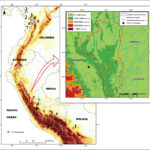
Nymphargus mariae claims its home amidst the verdant cloud forests stretching across the eastern slopes of Ecuador and Peru. This species has adapted specifically to elevations between 500 and 1500 meters above sea level, where thick blankets of mist perpetually drift between the tree branches. Glimpses of these frogs are rare, but a keen eye might reveal them perched gently on riverine vegetation or among damp grasses hanging over rushing mountain streams.
The Andean cloud forest habitat is unique, characterized by high humidity, stable temperatures, and consistent rainfall. Within this notoriously challenging environment, Maria’s Glass Frog has found its perfect niche. Its existence within such ecosystems hinges on carefully balanced microhabitats, often tied intimately to healthy rivers, clear-stream waterfalls, moisture-laden leaves, and deeply shaded foliage.
A Delicate Web of Habitats#
These rivers and streams are not just their home—they are their lifelines. The carefully regulated temperature and humidity of these watercourses make them perfect spawning grounds. The fragile ecosystems here function like interwoven lacework; degradation of even a minor stream can rapidly cascade, affecting not only amphibians but countless other interconnected species living within this habitat.
Physical Characteristics: Beauty in Transparency#
Maria’s Glass Frog is distinctively charming, celebrated notably for its mesmerizing transparent belly that reveals its internal organs. Usually measuring no more than 23 millimeters for males and marginally larger in females, their diminutive stature invites careful and respectful observation.
The Art of Camouflage#
This unique translucent ventral surface assists in camouflage. These partially transparent frogs are famously tricky to spot against the backdrop of rainforest leaves. Dorsally, their vivid green hues complete the flawless disguise. Tiny yellow and white spots often adorn their backs, resembling tiny droplets of dew, enhancing their camouflage among the shimmering rainforest leaves.
The frog’s slender limbs and adhesive toe pads assist extraordinary agility and climbing prowess, enabling them to navigate smoothly through their arboreal environment, leaping confidently from branch to branch. Each physical adaptation echoes evolutionary refinement driven by precise ecological demands, perfectly illustrating how specialized adaptations help species thrive in challenging environments.
Behavior and Life Cycle: Secretive Lives in the Forest Shadows#
Night Predators#
As nocturnal insectivores, Maria’s Glass Frogs spend daylight concealed beneath large leaves, perfectly blending into their surroundings as they rest quietly. Come darkness, however, a transformation begins; these tiny amphibians awaken to embrace their role in the nightly hunt. Their large, forward-facing eyes, equipped with extraordinary visual acuity, guide nimble leaps as they pinpoint and capture ants, flies, spiders, and other small insects.
The Intricate Dance of Courtship#
As rains seasonally fill the canopy with sounds, a striking call resonates clearly through the forest—a song performed by male Maria’s Glass Frogs. Perched on leaves hovering above streams, males announce their presence with persistent high-pitched chirps, hoping to attract and court a passing female.
Once a female selects her mate, the pair engages in intricate amplexus, during which fertilization occurs externally. Females meticulously deposit small clutches of eggs, numbering around 20 to 40, on the undersides of leaves situated directly above flowing water bodies, ensuring optimal positioning and protection until hatched.
Guardians of the Next Generation#
Extraordinarily, the male—a champion in parental dedication—often remains nearby, vigilantly guarding these eggs against predators and parasites, safeguarding them tirelessly until they hatch into free-swimming tadpoles. Upon hatching, these larvae gently drop from their leafy nurseries directly into the streams below, where they will continue their journey towards metamorphosis and adulthood.
Ecological Role: Indicator Species & Guardians of Ecosystem Balance#
The significance of Nymphargus mariae stretches beyond their charming beauty. Their presence—or absence—speaks volumes about ecological health, rendering them valuable bioindicators. Amphibians generally possess exceptionally permeable skin, highly responsive to environmental conditions; hence, the thriving populations of glass frogs often point to pristine habitats and healthy ecosystems.
Maria’s Glass Frog plays a pivotal role in the cloud forest’s complex food web, efficiently controlling insect populations. They themselves become critical prey items for forest predators—snakes, birds, large insects, and arachnids—highlighting the interconnected balance required to sustain biodiversity in these forests.
Threats and Conservation Status: Under Persistent Pressure#
Today, Nymphargus mariae struggles against numerous threats jeopardizing its fragile populations. This species currently carries an IUCN status of “Near Threatened” due to its highly localized distribution and susceptibility to habitat destruction. Sadly, habitat loss persists as the primary menace, intensified by logging, illegal mining operations, agricultural expansion, and infrastructural development.
Climate change further exacerbates these threats. Rising temperatures alter the delicate balance within cloud forests—shifting rainfall patterns, reducing mist coverage, and causing detrimental fluctuations in humidity levels. Such subtle shifts threaten their highly specialized habitats and may reduce breeding success, pushing vulnerable populations towards catastrophic decline.
Fortunately, awareness and localized conservation efforts have increased over recent years, emphasizing the protection and restoration of vital forest habitats, including stream conservation and restoration initiatives dripping through conservation networks across Peru and Ecuador.
Cultural and Scientific Significance: Stories from Transparent Ambassadors#
In indigenous cultures across regions inhabited by glass frogs, these charming amphibians symbolize purity and nature’s incredible diversity. Their fascinating physical traits have earned glass frogs prominence within scientific communities as exemplary cases in physiological, evolutionary, ecological, and conservation biology research, offering critical insights into biodiversity conservation strategies.
Additionally, their incredible skin adaptability contributes significantly to biomimicry efforts within biotechnology, inspiring revolutionary advances in regenerative medicine and tissue transparency research.
Conclusion: Guardians of Invisible Worlds—The Future of Nymphargus mariae#
Nymphargus mariae, a beacon of biodiversity among Andean cloud forest inhabitants, reveals human impacts subtly but critically upon ecosystems. It serves as a stunning and emblematic reminder of both life’s fragility and resilience— and a call to action for us all.
Efforts to secure its survival mean protecting these glorious forests upon which countless other species depend. Supporting conservation initiatives, learning more about local biodiversity, and advocating for policies safeguarding natural habitats are pivotal roles readers can embrace to safeguard Maria’s Glass Frog’s delicate serenade for generations to come.
Indeed, as we venture deeper into understanding, let the diminutive yet radiant Maria’s Glass Frog be our guiding call—a transparent ambassador of biodiversity whose songs whisper stories we must urgently heed.