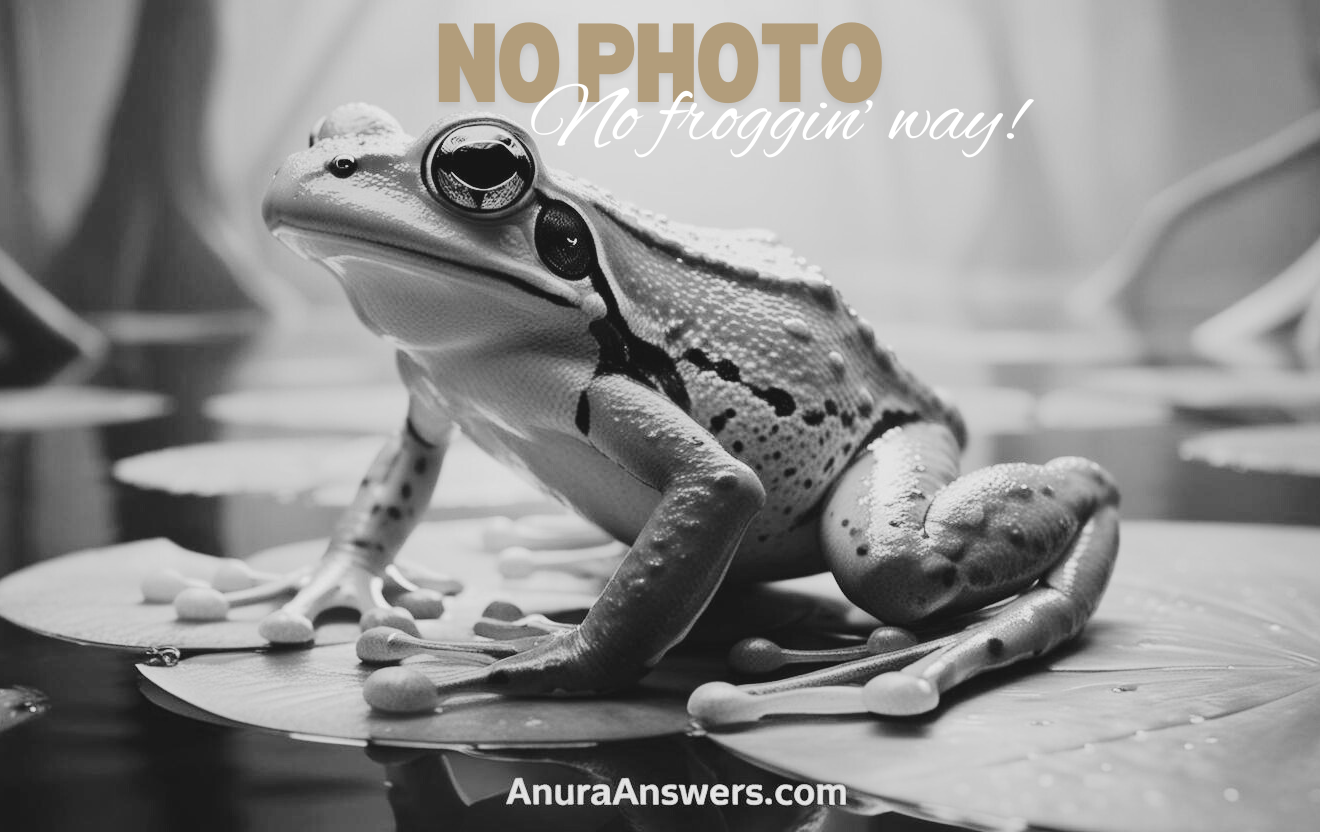
Nymphargus lindae: Unveiling the Enchanting Glass Frog of the Andean Cloud Forests#
Deep within the humid embrace of pristine cloud forests, where ethereal mists cloak mountain slopes in perpetual secrecy, lives a jewel-like creature known to science as Nymphargus lindae. Commonly referred to as Linda’s Glass Frog, this intriguing amphibian delicately balances between visibility and invisibility, embodying nature’s artistry with remarkable clarity—quite literally. Named for its translucent, glass-like skin that reveals the subtle interplay of organs beneath, Nymphargus lindae emerges as both a scientific curiosity and an ecological sentinel.
Discovered relatively recently in the lush, moss-draped cloud forests of southern Ecuador, this unassuming yet mesmerizing amphibian evokes immediate fascination from researchers and nature enthusiasts alike. Still, despite its compelling beauty and ecological significance, Nymphargus lindae remains shrouded in mystery, largely unknown outside specialized research and conservation circles. This exploration aims to reveal its hidden world, illuminating both the fantastic intricacies of its biology and the urgent conservation stories it silently narrates from remote streamsides in the Andes.
Taxonomy and Classification#
Nymphargus lindae belongs to the family Centrolenidae, a remarkable lineage of amphibians commonly known as glass frogs. Within this family, the genus Nymphargus is recognized for species intimately tied to pristine watercourses and mist-laden montane forests. Centrolenids share distinguishing traits, especially their delicate, glass-like bodies, transparent skin, and often vibrant green hues that blend seamlessly into moss-covered vegetation.
Linda’s Glass Frog was formally described in 2020 following an intensive herpetological expedition within the Andes of Ecuador. Its very naming honors Linda Trueb, a distinguished herpetologist renowned globally for her valuable contributions to amphibian taxonomy and systematics.
Close Relatives and Differentiation#
Within the deeply diverse genus Nymphargus, numerous remarkably similar species exist, challenging even expert herpetologists to distinguish them in the field. However, meticulous anatomical analysis, DNA sequencing, and distinct male advertisement call patterns successfully set apart Nymphargus lindae, highlighting its uniqueness among siblings. Closely related species such as Nymphargus siren and Nymphargus rosada share ecosystems and morphological traits yet maintain clear distinctions, illustrating evolution’s subtle creativity.
Natural Habitat#
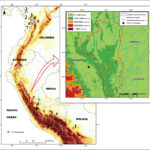
Linda’s Glass Frog inhabits a patchwork of pristine Andean cloud forests exclusive to southern Ecuador. Cloud forests, typified by perpetual moisture, lush epiphytes clinging desperately to gnarled branches, moss-draped tree trunks, and steep slopes shrouded in mist, provide the ideal conditions for these moisture-dependent amphibians. Elevation ranges between 1,500 to 2,300 meters above sea level places them squarely within this narrow ecological niche, where temperature and humidity remain remarkably constant year-round.
Microhabitat Preferences#
A closer look reveals it’s not merely the presence of mist and moisture that draws Nymphargus lindae. Particularly fond of lush vegetation overhanging slow-moving streams and waterfalls, they thrive within shadowy enclaves where light filters gently through dense canopy crowns. Fern-covered boulders and broad-leaved vegetation along crystalline streams provide essential perches during breeding seasons. This precise microhabitat not only supplies moisture critical for their hydration and survival but also fuels their reproductive process—egg-laying sites often suspended delicately above water, allowing emergent tadpoles immediate access to aquatic sanctuaries.
The ecological intimacy between this fragile amphibian and its equally delicate habitat underscores the vulnerability and interconnectedness between species and environment, providing conservation scientists invaluable insights into habitat protection priorities.
Physical Characteristics#
At first glance, the physical attributes of Nymphargus lindae captivate observers immediately. Adult individuals are ethereal in appearance, typically measuring between 20 and 25 millimeters—roughly the size of a thumbnail. Their petite size allows them to effortlessly perch upon thin vegetation, blending masterfully against glossy foliage as the ultimate arboreal camouflage artists.
Perhaps their most striking and defining feature is their semi-translucent skin. Pale lime-green dorsally, their undersides reveal a curious inner world seldom witnessed among terrestrial creatures. Organs such as the heart, liver, and intestines, all subtly colored in shades of pink and white, peek through this delicate window by evolutionary design, imparting them the characteristic ‘glass frog’ designation.
Adaptive Significance of Transparency#
Scientists theorize that this transparency, elegantly combined with their vibrant green coloration, provides exceptional protection from predators. Seen from beneath, these creatures blend seamlessly against lighter backgrounds, confusing potential aerial threats. Observed from above, their dorsal green hues perfectly camouflage against leaves and moss. Their frail appearance belies a potent survival strategy, evolved painstakingly over millennia, to capitalize on crypsis—nature’s art of unseen survival.
Behavior and Life Cycle#
Though elusive and cryptic in nature, subtle behaviors of Nymphargus lindae have gradually become visible through persistent nighttime research expeditions. Like many amphibians, they exhibit nocturnal activity patterns grounded in moisture conservation and predator avoidance.
Nocturnal Predators of Tiny Prey#
From suspended perches beneath leaves, they remain vigilant for passing insects attracted by moisture and vegetation. With sudden darting tongue movements rivaling the rapidity of hummingbirds, these crafty predators snag small moths, flies, and mosquitoes with astounding precision. Their particular feeding strategy and chosen habitats are vital to controlling insect populations, establishing them as unsung heroes of cloud forest ecology.
Intricate Reproductive Rituals#
On rainy nights, males gather along streamside vegetation and engage vocal choruses—melodious, bell-like, high-pitched whistle calls aimed at attracting females. Females, though carefully selective, respond to these serenades by approaching the most appealing callers. Once pairs unite, mating occurs precariously on moist leaf undersides suspended just centimeters above gentle water currents. Females expertly lay small clusters of translucent, jelly-like eggs, cemented securely to vegetation.
This reproduction strategy, while seemingly adventurous, ensures rapid tadpole survival upon hatching. Tender parental care involves males guarding the eggs diligently from predators—ants, spiders, or parasitic flies—showing an investment uncommon among amphibians, testifying to life’s inexhaustible diversity and adaptability.
Ecological Role#
Within the fragile montane ecosystem, Nymphargus lindae occupies multiple ecological roles. As predators primarily feeding on small arthropods, they maintain balanced insect populations, ensuring vegetation health and preventing overconsumption of particular plant species by insect larvae and adults.
Yet, paradoxically, these tiny predators are themselves integral food sources within local food webs—bats, snakes, birds, and larger frog species benefit from their presence. This complex ecological dynamic reveals their importance within broader ecosystem health, as each species, no matter how diminutive, interconnects profoundly within its natural community.
Threats and Conservation Status#
Like many Amphibian species globally, Nymphargus lindae faces looming threats from rapid habitat loss due to deforestation and agriculture expansion, climate change perturbations altering critical humidity regimes, and potential pathogen outbreaks including the notoriously deadly amphibian-killing chytrid fungus (Batrachochytrium dendrobatidis).
Currently, the species remains classified as “Data Deficient” by the IUCN due to its recent discovery and limited population data. While this status emphasizes urgent research and monitoring needs, precautionary conservation measures are increasingly advocated by researchers and local agencies.
Cultural and Scientific Significance#
As biological sentinels, glass frogs signal critical environmental changes. Their incredibly permeable skin and high sensitivity to slight environmental shifts make them vital indicator species, helping researchers assess ecosystem health, climate impacts, and pollution dangers.
Furthermore, Nymphargus lindae serves as a source of local and international pride—honoring herpetological contributions in Ecuador and inspiring citizen-science initiatives aimed at awareness, protection, and sustainable practices within cloud forest ecosystems.
Conclusion: Guardians of a Fragile World#
Nymphargus lindae genuinely illuminates the subtle and vital connections between biodiversity, habitat health, and conservation urgency. Revealing both the marvel of natural evolution and the tremendous fragility of pristine habitats, Linda’s Glass Frog reminds us all that remarkable wildlife treasures still await discovery and protection.
Through continued research, education, and proactive conservation, we have the power and responsibility to protect not just this remarkable amphibian, but the irreplaceable ecosystems they call home.