- Introduction: Discovering the Enchanting Nymphargus lasgralarias
- Taxonomy and Classification: A Family of Transparent Wonders
- Natural Habitat: Dwelling in Ecuador’s Mist-Laden Cloud Forests
- Physical Characteristics: An Astonishing Blend of Form and Function
- Behavior and Life Cycle: Courtship Beneath the Clouds
- Ecological Role: Harmonizing the Cloud Forest Community
- Threats and Conservation Status: Clouds of Uncertainty
- Cultural and Scientific Significance: A Symbol of Ecuador's Hidden Richness
- Conclusion: Preserving Ecuador's Misty Marvel
Introduction: Discovering the Enchanting Nymphargus lasgralarias#
Amid the lush, mist-veiled forests of Ecuador’s cloud-blanketed slopes, the twilight hours hold secrets only revealed to careful watchers. There, perched delicately atop glistening leaf surfaces or nestled along gossamer-like vines, lives a particularly mesmerizing amphibian—Nymphargus lasgralarias, commonly known as Las Gralarias Glass Frog.
Discovered only relatively recently, in 2012, this stunningly delicate creature quickly captured the hearts of scientists and nature enthusiasts alike. Its near-transparent skin renders internal organs strikingly visible, intriguing observers and posing fascinating biological questions. But beyond its visually captivating features, Nymphargus lasgralarias serves as a remarkable indicator of the ecological health of its precious Andean cloud forest habitat—a region teeming with biodiversity yet continually threatened by human encroachment. Join me as we journey into the mists, uncovering the secrets of Ecuador’s crystalline jewel of amphibians.
Taxonomy and Classification: A Family of Transparent Wonders#
Nymphargus lasgralarias belongs to the family Centrolenidae, a mesmerizing group also called glass frogs, celebrated globally for their translucency. Formally described by researchers Hutter and Guayasamin in 2012, the species was named to honor the Reserva Las Gralarias, a conservation area in northwest Ecuador where the frog was first recorded.
This enchanting frog shares its genus, Nymphargus, with several similar glass frogs, all remarkable for their delicate structures and semi-transparent skin. While closely related species such as Nymphargus grandisonae and Nymphargus griffithsi inhabit similar regions, N. lasgralarias has been distinguished as unique through genetic and morphological analysis, underscoring Ecuador’s richness in amphibian diversity and the importance of continued exploration of this vibrant land.
Natural Habitat: Dwelling in Ecuador’s Mist-Laden Cloud Forests#
Geographic Range and Distribution#
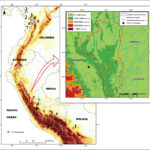
The exquisite Las Gralarias Glass Frog inhabits the high-altitude cloud forests of the western Andes Mountains in Ecuador, specifically within Pichincha and Imbabura provinces. Its distribution remains relatively restricted, predominantly confined to protected cloud forest zones and adjacent undisturbed areas. This narrow range makes accurate study challenging yet emphasizes the critical need to protect its limited habitats.
Habitat Preferences and Environmental Conditions#
Preferring cool, humid montane ecosystems typically located between elevations of 1,800 and 2,400 meters, Nymphargus lasgralarias finds ideal refuge near flowing mountain streams and moist, lush vegetation. Leafy understories, dense moss-covered branches, and clear, oxygen-rich streams characterize this habitat—offering an abundance of insects, moisture, and shelter critical for survival.
The perpetually misty conditions of cloud forests nurture an environment teeming with diverse flora and fauna, fostering intricate ecological interactions. Here, Nymphargus lasgralarias thrives, gracefully navigating its delicate domain both as a predator of small invertebrates and prey for larger animals.
Physical Characteristics: An Astonishing Blend of Form and Function#
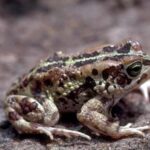
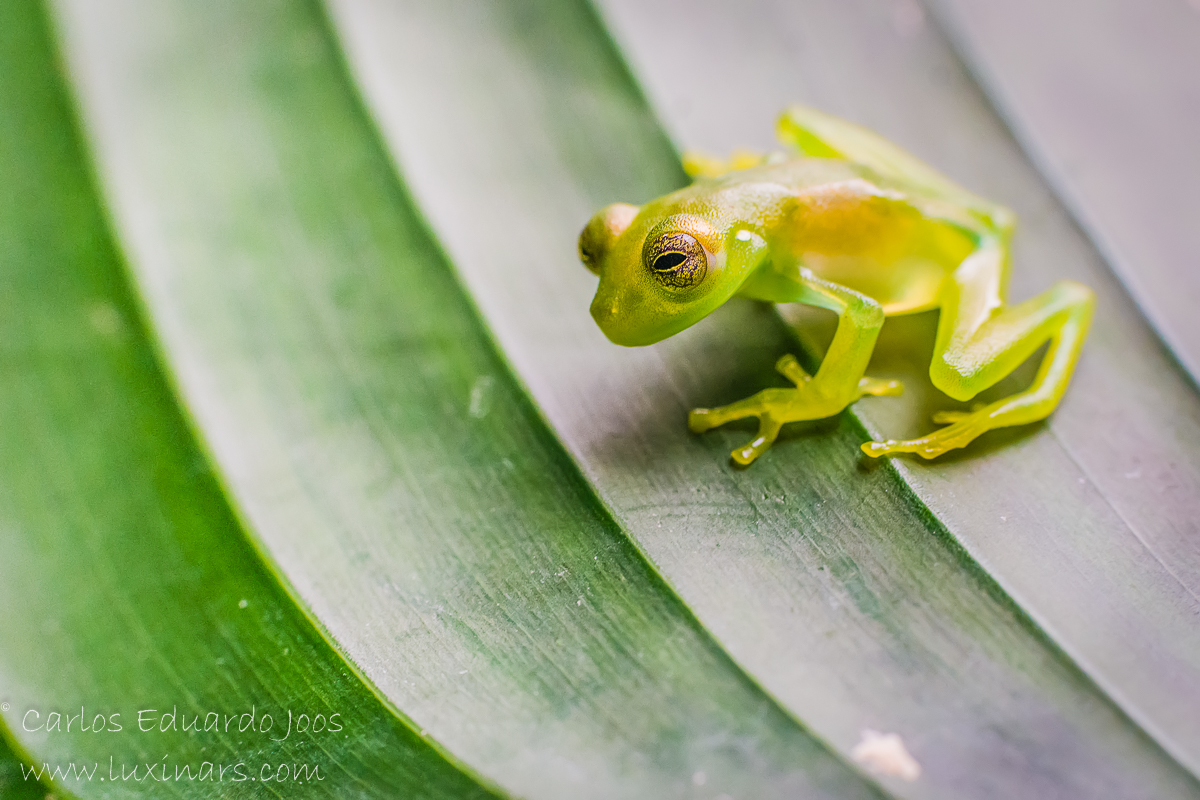
Perhaps the most astounding trait of Nymphargus lasgralarias lies in its semi-transparent skin, like delicate blown glass, offering an awe-inspiring window into the intimate functions of amphibian biology. Adults typically measure between 23 and 28 millimeters long—a diminutive size that belies the biological marvel of their anatomy.
The dorsal side showcases subtle shades of pale or lime-green, speckled gently with faint yellowish-white spotting. This soft coloration provides extraordinary camouflage among emerald leaves, mossy branches, and rain-slicked foliage. From beneath, observers can marvel at the frog’s cardiac rhythm visibly pulsing, organs seamlessly blending into a delicate mosaic of transparent harmony.
These remarkable physical adaptations—camouflage and near translucence—serve as critical strategies for predator avoidance in a dense forest milieu where survival hinges on delicate balance, stealth, and ingenuity.
Behavior and Life Cycle: Courtship Beneath the Clouds#
Feeding Habits and Diet#
Nymphargus lasgralarias is predominantly insectivorous, hunting stealthily amid dense vegetation in humid nocturnal conditions. With keen eyesight and precise leaps, it methodically targets smaller insects, such as fruit flies, ants, and tiny moths, providing essential ecological services by moderating insect population dynamics.
Mating and Parental Care#
When evening falls and moisture saturates the mountain air during the rainy season, males begin their delicate chorus. Their subtle calls, soft chirps resonating through mist-touched canopies, summon receptive females. Courtship takes place near pristine, fast-flowing streams, where females carefully deposit their small clutch of gelatinous eggs onto leaf surfaces hanging just above the current.
Remarkably, males demonstrate devoted parental behavior, diligently guarding egg clusters against predators, fungal growth, or desiccation. Tadpoles emerge by carefully dropping directly from their perched leaf platforms into the energized streams below, initiating their aquatic transformation into mature frogs. Witnessing this delicate yet dramatic life transition highlights the remarkable adaptations of Nymphargus lasgralarias to its specialized habitat.
Ecological Role: Harmonizing the Cloud Forest Community#
The ecological function of Las Gralarias Glass Frog is intricate and irreplaceable. As both predator and prey, it sustains balance within the food chain of Andean ecosystems. By feeding on nocturnal insects, it contributes to regulating insect populations that might otherwise overwhelm sensitive plant communities. Simultaneously, as prey, it nourishes diverse predators such as delicate birds, snakes, and larger amphibians.
Additionally, amphibians like Nymphargus lasgralarias serve vital roles as indicator species, sensitive barometers revealing subtle ecosystem disturbances early on. Their permeable skin and specialized habitat needs create exquisite sensitivity to environmental change, alerting researchers and conservationists to habitat health and integrity issues far before more resilient creatures might show signs.
Threats and Conservation Status: Clouds of Uncertainty#
Since its discovery barely a decade ago, Nymphargus lasgralarias faces numerous threats, primarily from habitat fragmentation, deforestation, and climate change-induced stresses. Ecuador’s cloud forests continue losing ground to agriculture, logging, and road expansion, isolating critical populations and shrinking available habitats for amphibians reliant on pristine ecosystems.
The International Union for Conservation of Nature (IUCN) currently lists Nymphargus lasgralarias as “Data Deficient” due to insufficient comprehensive range and population studies. However, the frog’s niche habitat and known threats suggest potential risk. Encouragingly, organizations such as Reserva Las Gralarias have prioritized cloud forest preservation and species-specific conservation strategies, dedicated to ensuring this wondrous frog’s habitat remains intact.
Cultural and Scientific Significance: A Symbol of Ecuador’s Hidden Richness#
Although relatively unknown culturally due to its recent discovery, Nymphargus lasgralarias vividly represents the astounding biological diversity still awaiting discovery within Ecuador’s hidden habitats. Scientifically, it provides unique research opportunities, from studying transparent skin bioengineering applications to modeling climate change impacts on sensitive montane ecosystems.
Conclusion: Preserving Ecuador’s Misty Marvel#
In Nymphargus lasgralarias, we discover not merely an enchanting amphibian but a critical ecological sentinel, a delicate yet powerful symbol urging action to protect our planet’s vanishing wild places. By learning more and supporting ongoing conservation initiatives, we become stewards for species that, though tiny, speak profoundly about the health of our shared ecosystems.
Next time you gaze into mist-shrouded forests atop Ecuador’s mountains, imagine the transparent heartbeat of tiny glass frogs—a delicate and silent reminder of nature’s enduring wonder and fragility.