- Nymphargus ignotus: The Enigmatic Glass Frog Hidden in the Misty Andes
- Taxonomy and Classification
- Natural Habitat: Life Among Cloud Forest Jewels
- Physical Characteristics: The See-Through Wonder of the Andes
- Behavior and Life Cycle: The Secret Lives Among Misty Leaves
- Ecological Role: Guardians of Ecosystem Balance
- Threats and Conservation Status: Ensuring a Future for a Fragile Treasure
- Cultural and Scientific Significance
- Conclusion: Protecting an Andean Wonder
Nymphargus ignotus: The Enigmatic Glass Frog Hidden in the Misty Andes#
In the cloud-kissed forests of the Andes Mountains, shrouded by perpetual mist and thriving in the eternal emerald shades of vegetation, lies a creature as elusive as it is remarkable—the glass frog known scientifically as Nymphargus ignotus. Invisible at first glance, this amphibian’s translucent skin reveals not only remarkable evolutionary beauty but also offers invaluable insights into the ecological health of its verdant sanctuary.
With its mysterious name— “ignotus” from Latin meaning “unknown”—this tiny frog embodies nature’s enigma, inviting us into an intriguing story of adaptation, secretive behaviors, and ongoing challenges in a rapidly changing world. Despite its captivation of scientists and naturalists alike, pollution, deforestation, and other threats increasingly cast ominous shadows over its pristine domain.
Taxonomy and Classification#
Nymphargus ignotus belongs to the Centrolenidae family, more commonly referred to as glass frogs. Esteemed for their translucent bellies, glass frogs intrigue biologists by offering a rare glimpse into their internal anatomy, from beating hearts to nourished, red-rich veins. Within the Centrolenidae family, the genus Nymphargus includes species known for particularly specialized behaviors and habitats, tying them profoundly to the clean, freshwater streams and well-preserved forests in their Andean home.
Initially described by Lynch in 1990, Nymphargus ignotus remains shrouded in a degree of scientific mystery. With fewer observations than other glass frogs, its subtle ecology and behavior are still unfolding through ongoing research. Closely related species within its genus—like Nymphargus grandisonae and Nymphargus siren—share overlapping habitats, thereby making ecological distinctions and interactions an exciting frontier for advanced amphibian research.
Natural Habitat: Life Among Cloud Forest Jewels#
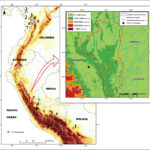
Perched within a specific altitudinal range between 1,450 and 2,350 meters in elevation, the home of Nymphargus ignotus consists primarily of moist, montane cloud forests in the Colombian Andes. These habitats represent an ecological treasury that shelters myriad plant and animal species adapted to flourish amidst the perpetual mist, humidity, and lush vegetation.
Cloud forests are ecological jewels noted for high biodiversity and endemic species richness, providing critical ecosystem services. They capture moisture from clouds, which condenses on leaves and moss, creating streams that give life to entire valleys below. Nymphargus ignotus depends upon these cascading waters where they breed, forage, and survive in finely balanced harmony.
Unlike some amphibians more accustomed to ground-dwelling habits, this glass frog finds solace perched on leaves overhanging rushing streams or patiently hidden within the canopy undergrowth. Its secretive, understated existence within its small but crucial ecological niche makes it particularly vulnerable to environmental disruptions.
Physical Characteristics: The See-Through Wonder of the Andes#
A creature uniquely suited to a life of mystery, Nymphargus ignotus measures no more than 25 millimeters in length, scarcely larger than one’s thumbnail. At first glance, its lime-green coloration blends seamlessly into the mossy surroundings, an evolutionary marvel that grants invisibility from would-be predators.
Most famously, the underbelly of this frog is transparent, an extraordinary physical adaptation common within the glass frog family. Its ventral skin is a delicate, translucent membrane, revealing the clear outlines of internal organs, from pulsating hearts to folded intestines. Such transparency contributes to cryptic camouflage as subtle leaf patterns and dappled shadows obscure it from predators’ gaze. This adaptation is believed to minimize detection as sunlight filtering through leaves creates complex and shifting patterns that conceal its form entirely.
Their silver and golden speckling on their backs affords them additional camouflage—the shimmering reflections often mimic dew drops that pepper the leaves they inhabit. Each subtle characteristic merges seamlessly into their green world, demonstrating evolutionary ingenuity sculpted by survival pressures across millennia.
Behavior and Life Cycle: The Secret Lives Among Misty Leaves#
Ambush Predators Amidst Foliage#
Like many amphibians adapted to their arboreal lifestyle, Nymphargus ignotus is primarily nocturnal, emerging gracefully after dusk to forage. With keen eyesight adapted for night movement, it patiently waits, vigilantly fixed upon nearby branches and leaf surfaces for passing prey. Its diet predominantly consists of small insects and arthropods, including ants, flies, moths, and spiders, skillfully captured with precise, lightning-fast movements.
A Symphony in the Night: Breeding and Communication#
The males of this elusive species are talented vocalists, emitting soft, melodious calls that resonate subtly through the humid air during breeding seasons. These delicate musical notes serve multiple functions, including territorial defense and attracting female companions eager to lay their eggs.
Females distinguish males not only by their calls but by assessing their territories’ suitability and strategic positioning above aquatic habitats. Following a carefully choreographed courtship ritual, females deposit clusters of jelly-coated eggs delicately placed on leaves dangling just centimeters above swiftly moving streams. The transparent eggs, artfully placed and often guarded by diligent males, maintain a constant state of moisture and security against potential threats and dehydration.
Tadpole Journeys—A Perilous Descent#
Upon hatching, the tadpoles make their dramatic entrance into life by tumbling effortlessly into the stream currents below—an existential leap of faith beginning a vulnerable, transformative journey. Stream-bound, these tadpoles metamorphose in the hidden sanctuaries beneath clear waters, feasting on organic matter and suspended microorganisms. With transformation complete, young froglets climb back up leafy heights, continuing the eternal circle of life entrenched deeply within these fabled forests.
Ecological Role: Guardians of Ecosystem Balance#
Amphibians like Nymphargus ignotus are sometimes affectionately termed the “canaries in the coal mine” for their pronounced environmental sensitivity. As an important predator of small insects and as prey itself to larger reptiles, birds, and mammals, this forest guardian actively contributes to maintaining population balance among ecosystem inhabitants.
Its unique sensitivity to environmental change—including water pollution and microclimatic shifts—renders it a reliable indicator of the health of montane cloud forests. By diligently observing fluctuations within its populations, ecological warnings can be issued, guiding critical conservation strategies and protections before further irreversible damage takes hold.
Threats and Conservation Status: Ensuring a Future for a Fragile Treasure#
Unfortunately, glass frogs like Nymphargus ignotus face mounting threats from human-induced habitat destruction and climatic alterations. Ironically, the very elusiveness and specificity of their habitat needs render them especially vulnerable to habitat fragmentation and deforestation driven by agriculture, infrastructure expansion, and logging.
While currently classified as “Data Deficient” on the International Union for Conservation of Nature (IUCN) Red List, growing awareness of environmental threats and dedicated research has begun prioritizing protection and conservational measures. Conservationists stress the need for integrated strategies involving local communities in habitat preservation, education, and sustainable land usage.
Organizations within Colombia and global herpetological communities actively focus on establishing conservation corridors, promoting effective habitat legislation, and supporting eco-tourism initiatives to celebrate this key amphibian as a symbol of healthy ecosystems and responsible environmental stewardship.
Cultural and Scientific Significance#
Though somewhat cryptic in cultural references, glass frogs hold significance as captivating anchors to local communities, ecotourism drawcards, and biological curiosities fascinating scientists. Amphibian enthusiasts and researchers travel globally to study their unique properties such as transparency, adaptation, and ecological sensitivity, providing valuable insight for broader biological processes and conservation challenges.
Conclusion: Protecting an Andean Wonder#
Nymphargus ignotus, an emblematic jewel of Andean biodiversity, serves as a gentle reminder of the fragile beauty of pristine ecosystems that linger delicately at risk. Each transparent leap between leaves, each serenade by its secretive males, and each daring tadpole descent into mountain streams speaks deeply of the interconnectedness of life and environmental responsibility.
Let us not allow the enchantment and significance of such species to become mere memories. By deepening our understanding, supporting conservation initiatives, and engaging directly in protecting natural habitats, we collectively ensure that generations to come may still cherish the ethereal wonder of this glass frog—forever translucent, forever inspiring, forever significant.