- Introduction: Meeting the Cuban Toad
- Taxonomy and Classification
- Natural Habitat: The Cuban Toad's Realm
- Physical Characteristics: Evolutionary Artistry
- Behavior and Life Cycle: Poetry in Motion
- Ecological Role: Guardians of Balance
- Threats and Conservation Status: On the Brink
- Cultural and Scientific Significance: Symbol of Cuban Biodiversity
- Conclusion: A Call to Stewardship and Appreciation
Introduction: Meeting the Cuban Toad#
Hidden in the shadowed forest floors and moist limestone caves of Cuba lives an extraordinary amphibian whose unique adaptations tell vibrant stories of survival, resilience, and evolutionary success. Meet the Cuban Toad (Peltophryne empusa), a charismatic yet often overlooked species that adds immense value to the rich biodiversity tapestry of the Caribbean archipelago.
Although known colloquially as a “toad,” Peltophryne empusa belongs to the wider family Bufonidae—true toads. This intriguing amphibian’s story is one of adaptability within demanding limestone habitats, unexpected behaviors, and critical ecological roles.
Did you know that these unusual toads exhibit distinctive breeding behaviors that rely heavily on seasonal rains and temporary pools, demonstrating impressive synchronization with their natural surroundings? Let’s explore the enthralling world of the Cuban Toad and uncover the details behind this amphibian’s remarkable life.
Taxonomy and Classification#
The Cuban Toad holds its particular place within the broad tapestry of amphibian species. Scientifically classified as Peltophryne empusa, it belongs to the family Bufonidae, widely known as true toads. Within this family, its genus—Peltophryne—comprises several Caribbean-endemic species, affirming the uniqueness and biogeographical significance of these island-based amphibians.
The name “empusa” has roots in mythological figures, further hinting at the intriguing mystery surrounding this creature. Closely related species within the genus Peltophryne include the Cuban Giant Toad (P. peltacephalus) and the Puerto Rican Crested Toad (P. lemur), each exhibiting unique features adapted to their unique island niches. The Cuban Toad, however, stands out due to its remarkable adaptations, behavior, and restricted geographical range.
Natural Habitat: The Cuban Toad’s Realm#
Unlike many of its amphibian peers, the Cuban Toad does not occupy the lush rainforest canopy or common wetlands that visitors usually associate with tropical amphibians. Instead, Peltophryne empusa thrives in limestone-rich terrain, subtropical dry forests, scrublands, and karstic regions, particularly within Western and Central Cuba.
The Cuban Toad is uniquely suited to these limestone “karst” landscapes, where underground caverns, rocky outcrops, and crevices provide ideal shelters. Throughout their habitat, water availability fluctuates, creating ephemeral breeding pools during seasonal rains. These temporary pools are critical—an annual phenomenon that determines the toad’s reproductive success.
Observing these habitats closely, one discovers how the Cuban Toad perfectly blends with the surroundings. With camouflaged, sandy-hued skin matching limestone surfaces, these creatures merge seamlessly into the background, thriving silently yet vitally in an environment rich in biodiversity and specialized ecological interactions.
Physical Characteristics: Evolutionary Artistry#
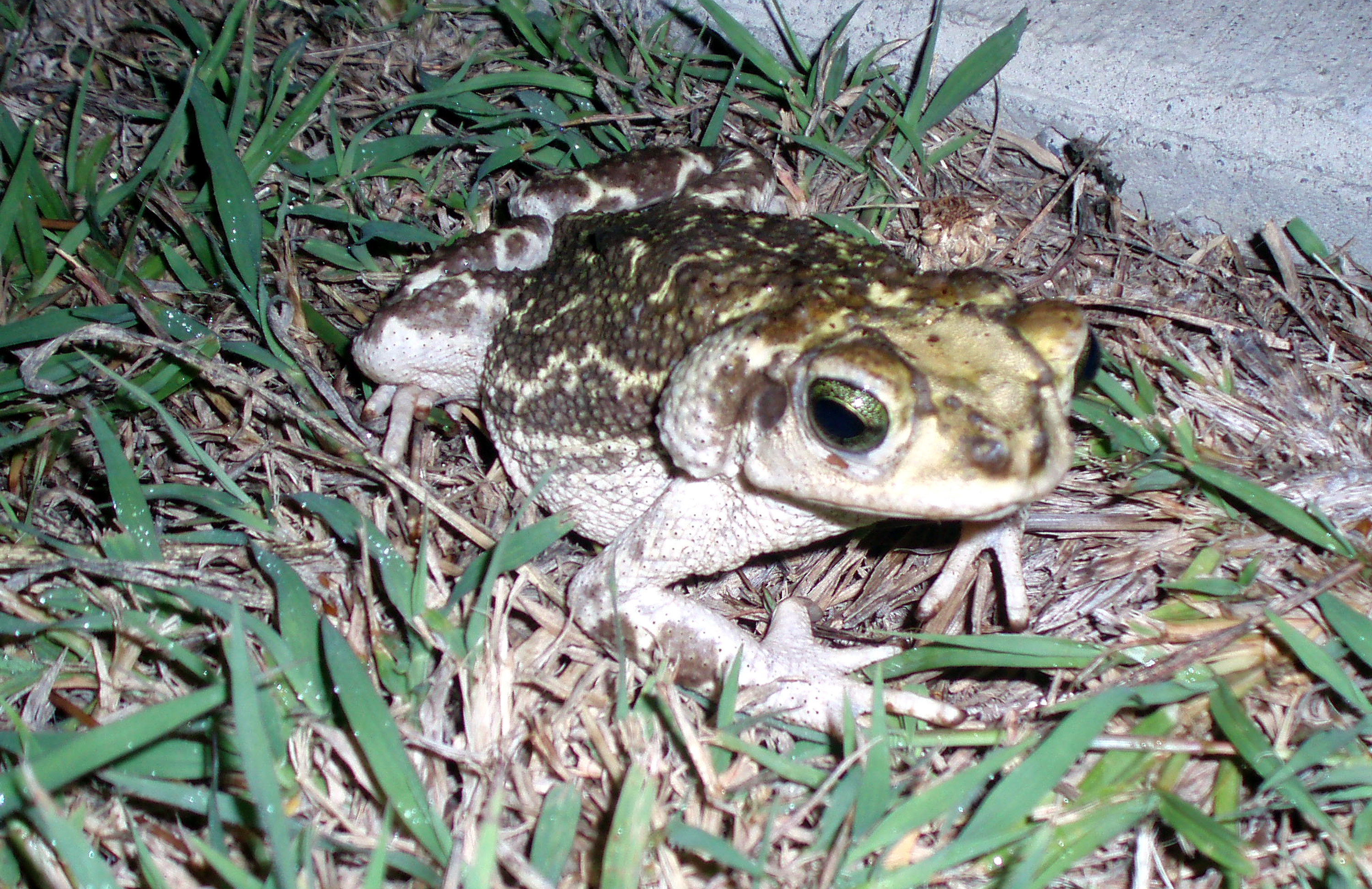
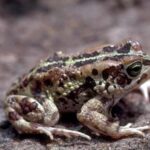
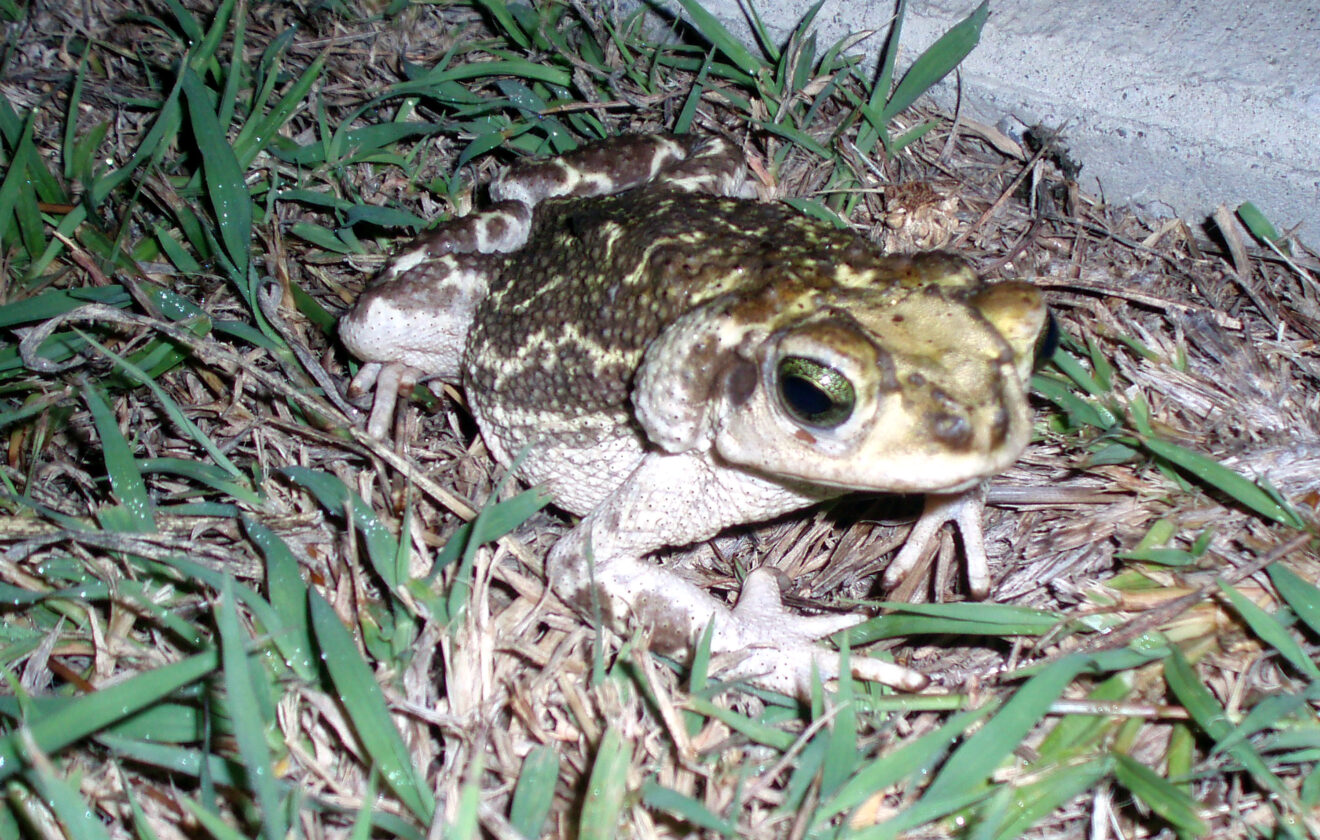
At first glance, the Cuban Toad may appear inconspicuous, but closer inspection reveals fascinating and distinct physical characteristics. Adults typically measure between 5 to 9 centimeters, with females generally larger than males. Its stout body, notably rough-textured skin covered in raised lumps and warty protrusions, further emphasizes its resilient adaptation to harsh, rocky conditions.
A notable feature of Peltophryne empusa includes prominent cranial crests and powerful hind limbs adapted for quick escapes and agile hopping within rocky terrains to evade predators and find food. The coloration ranges from sandy brown to dull olive, intricately matching colors and textures of limestone, dry leaves, and natural debris in their habitat—superbly refined camouflage.
Another significant adaptation involves its parotoid glands—large, pronounced glandular structures on the back of the head and upper body regions. These glands secrete bufotoxin compounds as a defense mechanism, deterring potential predators and ensuring greater survival opportunities within their natural Cuban ecosystem.
Behavior and Life Cycle: Poetry in Motion#
Feeding Habits#
Cuban Toads are predominantly insectivorous, actively hunting during the cooler evening hours. Their diet includes beetles, ants, moths, crickets, and other arthropods abundant within their ecosystem. Equipped with keen eyesight and sensing vibrations, they patiently ambush prey, swiftly lunging forward and capturing their meal with a rapid flick of their sticky tongue.
Reproduction and Breeding Rituals#
The life cycle of the Cuban Toad unfolds rhythmically in profound synchronicity with seasonal rainfall. Breeding takes place during the rainy seasons between spring and early summer. After substantial rainfall accumulates, males congregate around temporary pools or flooded depressions, getting positioned strategically to offer their resonant, melodic mating calls as night descends.
Female toads carefully navigate toward the males, responding selectively to certain males’ calls—observing the scene, one imagines a lively concert within the damp twilight of the karst forests. Once they’ve chosen their partners, the female lays long gelatinous strings of eggs within shallow, temporary pools, adhering to submerged plants or objects. Tadpoles emerge rapidly and immediately begin a race against evaporation, feeding on algae and developing swiftly.
Remarkably, these temporary pools represent both sanctuary and test, requiring tadpoles to metamorphose quickly to escape an unpredictable and drying ecosystem. This accelerated developmental timeline reflects yet another astonishing evolutionary adaptation shaped profoundly by their dry, karst habitat.
Ecological Role: Guardians of Balance#
Peltophryne empusa significantly impacts the unique ecosystems to which it belongs. Acting predominantly as insect predators, these toads naturally control insect populations, suppressing potential outbreaks of pests and providing essential stability and balance.
Moreover, due to their predators’ reliance on these amphibians as a food source, the Cuban Toad constitutes an integral food chain link in Cuban ecosystems. Birds, snakes, and several mammalian species prey upon these toads, thereby maintaining biodiversity through complex predator-prey interactions.
Significantly, amphibians often serve as bio-indicators, and the Cuban Toad’s health and population trends can reveal broader patterns and warn us about environmental stress, climate shifts, and habitat degradation long before these problems become more evident.
Threats and Conservation Status: On the Brink#
Despite their resilience and resourcefulness, Cuban Toads face significant challenges in our changing world. Threats include substantial habitat loss due to agricultural expansion, urbanization, and deforestation. Pollution, particularly chemical runoff affecting ephemeral breeding pools, also endangers the species’ reproductive success.
The International Union for Conservation of Nature (IUCN) lists Peltophryne empusa as Vulnerable, underscoring the urgency and necessity of conservation measures. Fortunately, various conservation programs in Cuba recognize their ecological significance, focusing on habitat preservation, environmental education, and monitoring initiatives designed to ensure these unique amphibians’ survival.
Cultural and Scientific Significance: Symbol of Cuban Biodiversity#
In Cuban culture, amphibians, including Peltophryne empusa, capture curiosity and symbolize harmony with nature. Additionally, scientists increasingly study these amphibians regarding bufotoxins they produce, investigating potential novel biochemical compounds with pharmaceutical applications.
Researchers recognize their habitat specialization as a critical tool in understanding climate resilience and adaptation methods among Caribbean amphibians. Studying this exquisite species closely contributes significantly to broader ecological insights and biodiversity conservation fields.
Conclusion: A Call to Stewardship and Appreciation#
The Cuban Toad, Peltophryne empusa, emerges uniquely as a wondrous representative of Caribbean biodiversity. It offers in-depth lessons in adaptation, ecological interplay, and survival amidst rapidly changing environmental conditions. By celebrating and understanding this delicate yet critical amphibian, we raise awareness about intricate ecosystems within Caribbean islands and beyond.
Every reader, nature-respecting individual, student, or conservation advocate can play a role—from supporting habitat restoration projects, advocating responsible ecotourism within Caribbean regions, to educating peers about lesser-known species. Through combined efforts, each action counts toward safeguarding Peltophryne empusa and securing a promising legacy for generations yet to witness the silent beauty and profound resilience of the Cuban Toad.