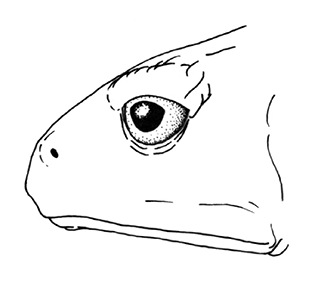
- Exploring the Secretive Life of Osornophryne puruanta: Ecuador's Enigmatic Puruanta Toad
- Taxonomy and Classification
- Natural Habitat: A Land Above the Clouds
- Physical Characteristics: Adapted for Life Among Shadows
- Behavior and Life Cycle: Secrets of Survival Beneath the Misty Canopy
- Ecological Role: Guardians of Hidden Biodiversity
- Threats and Conservation Status: Rising to the Challenge
- Cultural and Scientific Significance
- Conclusion: Preserving a Jewel Hidden by Mist
Exploring the Secretive Life of Osornophryne puruanta: Ecuador’s Enigmatic Puruanta Toad#
Hidden among the mist-shrouded forests and emerald-green valleys of the Andean highlands lives one of nature’s gems—the mysterious and little-known Osornophryne puruanta, affectionately known as the Puruanta Toad. Although rarely seen and frequently overlooked, this captivating amphibian quietly fulfills a vital ecological role deep within its fragile montane home. Named scientifically as Osornophryne puruanta, this tiny toad embodies survival, adaptation, and the delicate interconnectedness of Andean biodiversity. A master of cryptic camouflage and resilience against environmental extremes, the species reveals a subtle beauty that patiently waits discovery amid moss-coated rocks and moist leaf litter.
As though emerging from an Andean folk tale itself, the Puruanta Toad holds secrets that science is only beginning to unravel. With profound implications for understanding cloud forest ecology and species conservation, Osornophryne puruanta offers an excellent glimpse into the hidden worlds we risk losing before truly understanding their importance or beauty.
Taxonomy and Classification#
Osornophryne puruanta belongs to the Bufonidae family, a group known generally to the world as true toads. However, it diverges notably from its better-known lowland cousins. Its genus, Osornophryne, comprises a small number of highly specialized toad species adapted exclusively to high-altitude habitats of the Neotropics. Particularly prevalent within Ecuador and Colombia, these amphibians stand apart through their unique body structures and ecological adaptations suited specifically for thriving within cloud forests and paramo ecosystems.
The discovery of Osornophryne puruanta dates back to relatively recent times, when in-depth explorations of Ecuador’s isolated mountain ranges revealed incredible amphibian diversity in unexpected places. Eager herpetologists quickly recognized the distinctiveness of this cryptic amphibian, placing it firmly within a genus highlighting the unique evolutionary paths undertaken by Andean species as they adapted to life above the clouds.
Natural Habitat: A Land Above the Clouds#
Geographic Range and Distribution#
Exclusively inhabiting the Andean high-altitude ecosystems of Ecuador, Osornophryne puruanta is endemic to this biodiverse yet threatened region. It occupies a narrow elevational range—generally between 2,800 and 3,800 meters above sea level—thriving within cloud forests and nearby paramo grasslands, where cool, mist-laden climates prevail year-round. With only scattered populations identified mainly across isolated mountains and plateaus, its distribution remains narrowly constrained, emphasizing both its fragility and its ecological specialization.
Cloud Forest and Its Unique Conditions#
Imagine standing in cool, perpetual twilight—a place cloaked in continuous mist and lush with moss-covered vegetation, where delicate orchids flower silently and birdsong echoes softly against thick foliage. This surreal environment perfectly outlines the world in which the Puruanta Toad makes its home. Cloud forests receive abundant and near-constant moisture from clouds and fog rolling up along mountain slopes. The high humidity and moderated temperatures create perfect conditions for amphibians sensitive to environmental shifts, providing ideal grounds for life to flourish delicately and secretly.
Within these forests, Osornophryne puruanta utilizes microhabitats characterized by moisture-trapping moss, abundant epiphytes, decaying logs, and leaf litter. The presence of mist and fog not only sustains moisture levels essential for skin respiration but also fosters healthy populations of insects, providing a steady food source for these diminutive toads.
Physical Characteristics: Adapted for Life Among Shadows#
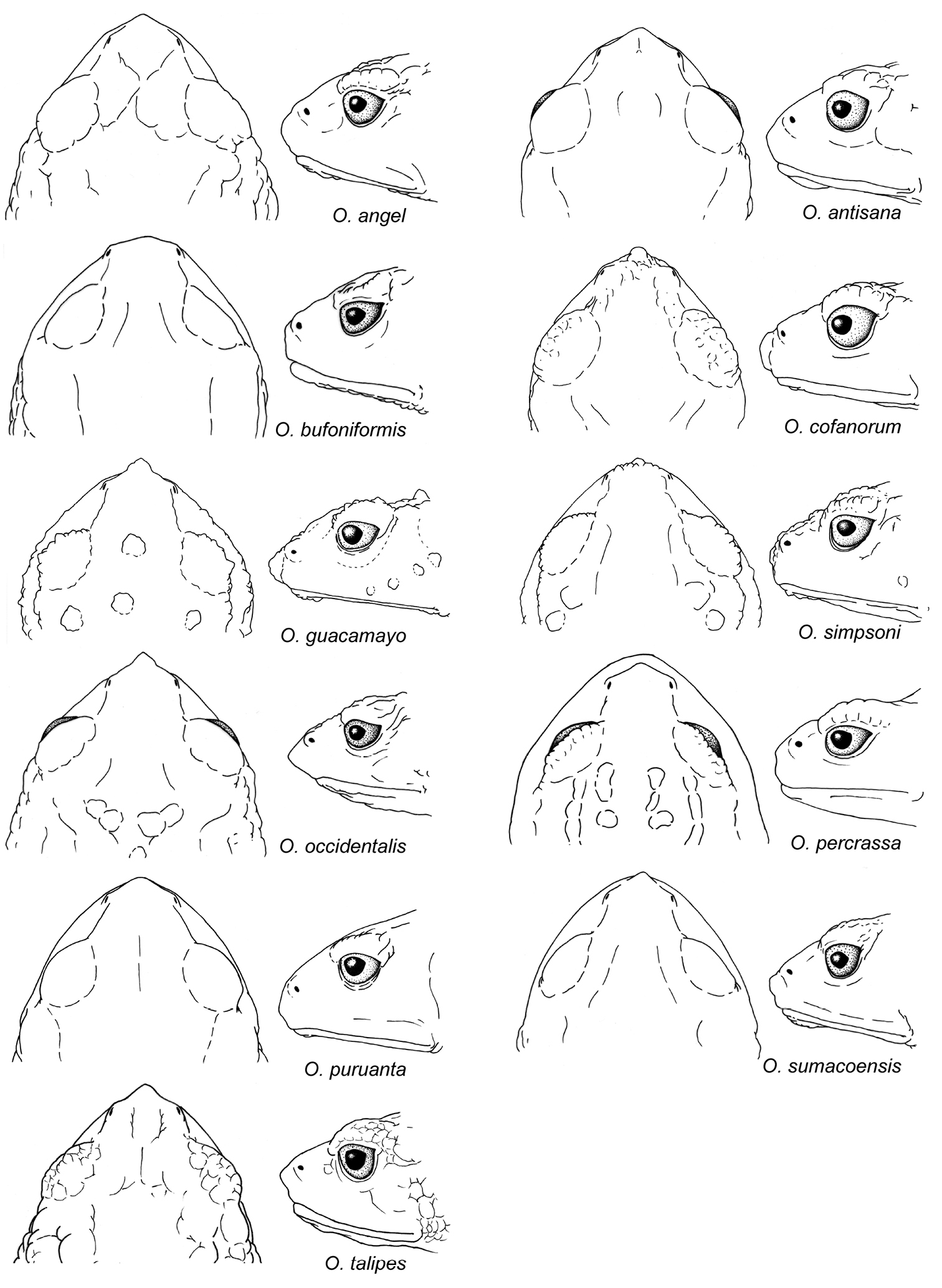
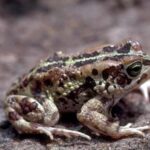
The beauty of Osornophryne puruanta lies gently concealed, subtle yet remarkable upon close observation. Adults generally reach a maximum size of around 2 to 4 centimeters, making them remarkably small and easy to overlook. Their bodies are stout, squat, and rounded—a design well-suited to squeezing beneath tight spaces and crevices in their mossy habitats.
Displaying an array of muted greens, browns, and earthy grays, the Puruanta Toad boasts a coloration meticulously adapted for survival. It blends seamlessly with its mossy, moist surroundings, easily overlooked even by trained observers. Tiny wart-like tubercles scattered across its dorsal surface further enhance this mimicry, evidence of advanced adaptation to its specific habitat.
A particularly intriguing feature involves the consistency and texture of its skin. Unlike many amphibians whose skin appears sleek and moist, Osornophryne puruanta exhibits somewhat thicker, rugged skin, granting it protection against abrasive surfaces and minor injuries as it navigates the complex terrain of forest floors and rocky niches.
Behavior and Life Cycle: Secrets of Survival Beneath the Misty Canopy#
Feeding and Predatory Strategy#
A patient, methodical predator, Osornophryne puruanta feeds primarily upon small insects and arthropods abundant within its lush habitat. Due to its small size and perceived vulnerability, it typically employs a sit-and-wait strategy, blending perfectly with its environment as it waits for prey—such as ants, small beetles, springtails, and mites—to unwittingly wander close enough for capture. This patient ambush strategy ensures efficient energy use, aligning with survival in an ecosystem scarce in direct sunlight and comparatively low in temperature, demanding careful conservation of resources.
Mating Habits and Remarkable Parental Traits#
The breeding habits of Osornophryne puruanta are equally fascinating. Like several other Andean toads adapting to life in fragile, precarious ecosystems, this species lays relatively few eggs compared to lowland amphibians. Female toads lay small clusters of eggs deep within mossy clumps or damp, concealed microhabitats. Intriguingly, the eggs develop directly into miniature versions of the adult—fully formed toadlets—and bypass the tadpole phase entirely. This intriguing evolutionary adaptation allows the species to breed successfully despite limited access to open bodies of water in their high-altitude habitat.
Additionally, parental care may occur within the genus, though specific observations of Osornophryne puruanta remain scarce, inviting future studies. Such parental adaptations reveal a remarkable evolutionary journey, optimizing reproductive success despite challenging environmental conditions.
Ecological Role: Guardians of Hidden Biodiversity#
Small and cryptic as they are, Osornophryne puruanta alongside other amphibians form an ecological cornerstone. Functioning as essential pest controllers and serving as vital links in complex food webs, they regulate populations of insects while providing nourishment to birds, snakes, and mammals higher up within the ecosystem.
Moreover, amphibians often serve as environmental indicators, their health directly reflecting broader ecosystem conditions. Researchers rely upon the presence and stability of populations like Osornophryne puruanta to gauge ecosystem integrity, track pollutants, and monitor impacts of climate change. Their disappearance frequently signals hidden ecological disturbances, warning conservationists before irreversible damage occurs.
Threats and Conservation Status: Rising to the Challenge#
Like many inhabitants of fragile ecosystems, Osornophryne puruanta faces threats driven primarily by human activities intertwined with climate variability. Habitat fragmentation and deforestation resulting from agriculture expansion, timber extraction, and unregulated tourism represent primary dangers—pressures exacerbated by global warming and shifting rainfall patterns restricting already limited habitats.
Currently, the International Union for Conservation of Nature (IUCN) recognizes Osornophryne puruanta as Vulnerable, highlighting the urgency of protective measures. Targeted conservation strategies—including habitat preservation, ecological research, and public education—hold potential for reversing concerning population declines. Researchers and conservationists advocate strongly for establishing protected regions flourishing with native flora, offering stable conditions for remaining populations and other endemic organisms sharing their threatened habitats.
Cultural and Scientific Significance#
Though modest in size and relatively unknown beyond specialized circles, species like Osornophryne puruanta symbolize the marvel of biodiversity harbored by Andean ecosystems. For indigenous cultures inhabiting these highlands, amphibians frequently represent fertility, renewal, and resilience. Scientifically, understanding adaptations of montane amphibians could inform strategies for ecological preservation, habitat management, and even medicinal advances due to unique biochemical potential present in their skin secretions.
Conclusion: Preserving a Jewel Hidden by Mist#
Osornophryne puruanta stands as a powerful reminder of nature’s intricacy and ecological interconnectedness, exemplifying how even the smallest, most cryptic species can wield significant ecological influence. As stewards of the Earth’s biodiversity, we bear the responsibility to preserve and protect such remarkable creatures—and importantly, respect their habitats that sustain broader webs of life.
Every step toward conservation is essential. Learn more, spread awareness, and consider supporting initiatives aimed at safeguarding these irreplaceable amphibians and their vibrant, mist-covered world. By preserving creatures like Osornophryne puruanta, we safeguard something vital for future generations: a profound appreciation of Earth’s boundless, beautiful diversity.