Hidden Jewel of the Andes: Discovering Osornophryne cofanorum#
Deep within the verdant, mist-drenched reaches of Ecuador’s northern Andes lies an enigmatic amphibian known as Osornophryne cofanorum. Discovered and scientifically described only relatively recently, this tiny Andean toad has since captured the hearts and intrigue of conservationists and nature enthusiasts alike due to its elusive nature, distinct physiology, and precarious ecological existence.
Though it rarely captures mainstream wildlife headlines, the tale of Osornophryne cofanorum is one of evolutionary wonder, silent guardianship of ecological balance, and immense vulnerability amidst a changing world. Join us as we journey through alpine forests and moss-laden cloud forests to uncover the captivating story of this remarkable amphibian.
Taxonomy and Classification#
The scientific classification of the Osornophryne cofanorum firmly places it within the rich tapestry of biodiversity that inhabits the tropical Andes, a global biodiversity hotspot. This species belongs to the Bufonidae family, commonly known as true toads, within the genus Osornophryne. Known colloquially among researchers as “plump toads,” members of this genus share certain distinctive physical and genetic characteristics adapted uniquely to mountainous habitats.
The species epithet, “cofanorum,” pays homage to the indigenous Cofán people, whose ancestral territories broadly overlap with the frog’s mountainous habitat. The recognition not only represents a symbolic bridge between biological discovery and cultural heritage but also underscores the vital necessity of local stewardship in preserving biodiversity.
Natural Habitat#
A Realm Enshrouded in Mist#
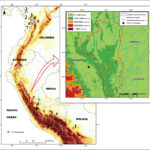
The seldom-seen Osornophryne cofanorum is found within specific sections of Ecuador’s elevated cloud forests in the northeastern Andes, particularly within the provinces of Sucumbíos and Pastaza. Its range is restricted to elevations primarily between 2,000 and 3,500 meters above sea level, where year-round moisture and cool temperatures offer a consistent and hospitable climate.
Enveloped in perpetual mist and populated by twisted, moss-festooned trees and lush understory vegetation, cloud forests are among Earth’s most delicate ecosystems. Precisely within this surreal, almost otherworldly habitat, O. cofanorum silently calls home.
A Microhabitat Specialist#
Unlike frogs and toads inhabiting lower altitudes or more familiar ecosystems, O. cofanorum is particularly specialized in its microhabitat preferences, typically found nestled amongst thick layers of leaf litter, moss, and decomposing bark along the forest floor. Here, the damp moss beds serve as miniature oases, providing protective moisture and moderated temperature, crucial elements enabling their delicate physiology to thrive.
Each microhabitat offers critical sanctuary from predators, temperature extremes, and desiccation. Intriguingly, despite their terrestrial behavior and habitat preference, these frogs depend closely on consistent humidity, rendering their populations highly sensitive to even minor climate shifts or habitat disturbances such as deforestation and land development.
Physical Characteristics#
A Jewel in Disguise: Appearance and Size#
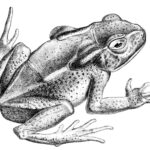
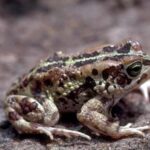
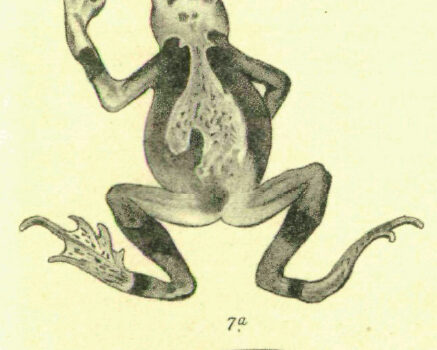
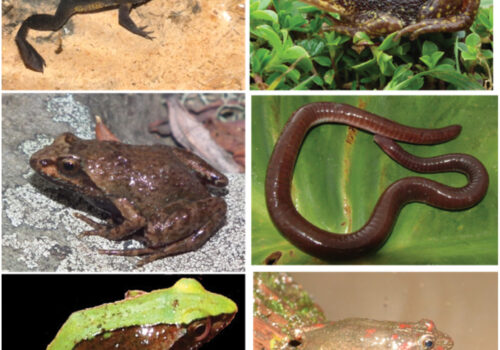
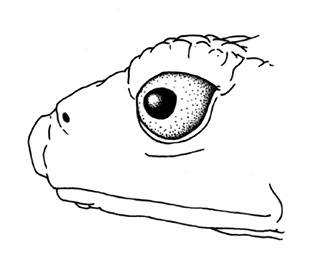
Small, inconspicuous, and incredibly charming, Osornophryne cofanorum embodies the charm of hidden biodiversity. Adult individuals seldom exceed 25 millimeters, with females slightly larger than males. Their compact, robust bodies display intriguing morphological adaptations suited exquisitely to their microhabitat.
Predominantly colored in subtle shades of brown or deep reddish to grayish hues, their appearance provides impeccable camouflage among leafy debris and moss patches. The dorsal surfaces feature intricately sculptured, granular skin patterns, resembling miniature works of art designed specifically by evolution to mimic the textures of their surroundings.
Adaptive Traits for Survival#
Unlike many of their amphibious cousins, Osornophryne cofanorum possesses truncated limbs and a stocky build adapted primarily for slow, deliberate terrestrial locomotion rather than agile leaps. This understated mode of movement, combined with cryptic coloration, makes them extremely difficult to spot in the wild.
Despite their terrestrial lifestyle, these toads possess permeable and delicate skin, rendering them sensitive indicators of environmental health. As respiration partially occurs through their moistened skin, even minor alterations in humidity, temperature, or presence of pollutants can significantly impact their survival rates, making them excellent bioindicators within the fragile cloud forest ecosystem.
Behavior and Life Cycle#
Diet and Hunting Strategies#
Lurking quietly amid leaf litter, Osornophryne cofanorum feeds primarily upon small arthropods such as ants, mites, beetles, and tiny spiders, using stealth and ambush tactics rather than active pursuit. The invertebrate-rich leaf litter provides abundant prey to sustain small local populations.
Their diet plays a critical ecological role, aiding in controlling populations of insects and other arthropods, which in turn influences nutrient cycling within cloud forest ecosystems. By adjusting arthropod populations within these sensitive niches, the species indirectly maintains ecological stability, demonstrating an understated yet powerful ecological influence.
Reproduction and Parental Care#
The breeding habits of O. cofanorum are equally elusive, with detailed reproductive behavior remaining less documented than other amphibians, primarily due to their cryptic nature and isolated habitats. Nonetheless, specimens suggest that reproduction involves terrestrial breeding sites, with eggs being laid in damp leaf litter rather than in free-standing water bodies. Once eggs hatch, tadpoles transition quickly to terrestrial juvenile stages, bypassing many traditional aquatic larval stages typical of lower-altitude amphibians.
This “direct development” strategy is highly advantageous for high-altitude inhabitants, freeing them from dependence on permanent water bodies—a resource scarce at higher elevations. Eggs develop within protective moisture-rich substrates, affording young individuals better survival odds in a harsh environment, showcasing the species’ evolutionary adaptability to its unique alpine habitat.
Ecological Role#
Despite its diminutive size, the ecological significance of Osornophryne cofanorum within its habitat is considerable. As both predator and prey, this amphibian occupies a crucial mid-level position in the intricate Andean food web. It assists in controlling invertebrate populations, thus influencing the overall balance and health of cloud-forest ecosystems.
Moreover, serving as prey itself for a diversity of birds, snakes, and small mammals, it contributes to energy flow and nutrient cycling. Beyond ecological connections, its status as a sensitive indicator of environmental changes positions it as a sentinel organism, a critical early-warning species that signifies the health or degradation within its fragile ecosystem.
Threats and Conservation Status#
As a species restricted to narrow climatic and elevational ranges with highly specialized habitat requirements, Osornophryne cofanorum is inherently vulnerable. The International Union for Conservation of Nature (IUCN) currently classifies it as Endangered, emphasizing the urgency surrounding its conservation prospects.
The protruding threats these frogs face include habitat fragmentation and rapid deforestation due to agriculture, logging, infrastructure development, and resource extraction. Furthermore, climate change poses an alarming danger, altering temperature and moisture patterns critical for their survival. The added stressors of diseases such as chytridiomycosis, an amphibian-specific fungal infection, place further strain on remaining populations.
Cultural and Scientific Significance#
The existence of Osornophryne cofanorum transcends merely scientific discussions; culturally significant to the Cofán and other indigenous peoples inhabiting northern Andean regions, the frog represents living connections between ancestral knowledge and contemporary conservation biology. Indigenous narratives and ecological knowledge derived from generations of coexistence continue to inspire research and collaborative conservation efforts, highlighting the intersection between tradition and science.
Scientifically, O. cofanorum sheds invaluable light on evolutionary biology, ecosystem dynamics, and climate change impacts on alpine biodiversity, making it a vital subject for interdisciplinary conservation efforts and international ecological collaborations.
Conclusion: Guardians of a Clouded Realm#
In these imperiled times for biodiversity, discovering and safeguarding lesser-known species such as Osornophryne cofanorum has never been more crucial. Small but significant, this amphibian symbolizes the fascinating and delicate web of life woven throughout the Andean cloud forests. Conserving this quiet guardian of ecological equilibrium indicates a wider commitment to preserving Earth’s precious ecosystems.
As we learn, understand, and continue to advocate for the careful stewardship of species like Osornophryne cofanorum, each of us becomes part of a legacy of care, awareness, and appreciation that ensures diversity endures amid a rapidly changing world.