- Introduction: A Hidden Jewel Among the Clouds
- Taxonomy and Classification: Finding a Place in Amphibian Diversity
- Natural Habitat: Life in the Clouds
- Physical Characteristics: An Amphibian Unlike Any Other
- Behavior and Life Cycle: Quiet Lives Amidst Mountain Mist
- Ecological Role: Guardians of Mountain Biodiversity
- Threats and Conservation Status: Fragility Meets High-Altitude Risks
- Cultural and Scientific Significance: A Frog that Speaks Volumes
- Conclusion: A Call For Continued Wonder and Conservation
Introduction: A Hidden Jewel Among the Clouds#
High amidst the mysterious slopes and mist-shrouded forests of the Andes Mountains quietly lives a creature whose bizarre appearance and unique lifestyle have long captured biologists’ imaginations and intrigued nature lovers globally—the fascinating Osornophryne bufoniformis. Its name, derived from Latin, literally translates to ‘Osorno’s toad shaped like a toad,’ a nod toward its odd yet endearing shape and appearance. Known commonly as the Andean Plump Toad, this amphibian carries secrets about life in some of the most forbidding and fascinating ecosystems on Earth.
Yet, beneath the quirky charm of Osornophryne bufoniformis lies a critical ecological indicator vital in gauging ecosystem health. It thrives in complex mountainous habitats, where dramatic shifts in elevation and microclimates forge a landscape ripe with scientific wonders. To glimpse such a peculiar creature in its natural habitat—neck craning upward towards cloud forests cloaked in perpetual mist—invokes the inherent wonder embedded within wildlife and nature.
Taxonomy and Classification: Finding a Place in Amphibian Diversity#
Belonging to the Bufonidae family, Osornophryne bufoniformis is part of an intriguing lineage of amphibians, distinctively adapted for high-elevation living. The genus Osornophryne comprises frogs uniquely characterized by unusual morphological traits suited to the rugged, moisture-heavy climates of the Andes. The presence of direct development—where eggs hatch directly into small froglets bypassing a free-swimming tadpole stage—distinguishes these fascinating amphibians from many other frog species. Closely related species within its genus inhabit similar mountainous ecosystems, particularly in Ecuador and parts of Colombia, rendering this group of frogs essential for understanding high-altitude biodiversity.
Natural Habitat: Life in the Clouds#
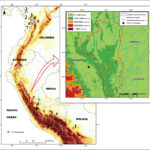
Perched between cloud rings, among remote regions of Ecuadorian and Colombian cloud forests, Osornophryne bufoniformis inhabits elevations ranging from approximately 2,800 to 3,600 meters above sea level. These ecosystems embody enchanting worlds where thick mist nurtures moss-covered trees, and air feels heavy with moisture, wrapped in perpetual twilight even amid midday sun.
A Kingdom of Moss and Mist#
Unlike more commonly observed frogs inhabiting ponds or streams, O. bufoniformis flourishes among dense leaf litter, mossy groundcover, and damp substrates beneath towering groves of Polylepis and other cloud-adapted trees. Often shrouded by thick vegetation and immersed in pervasive dampness, its microhabitats comprise dense moss mats, lichen-clad branches, and rocky, leaf-littered terrain, areas rich with small insects and invertebrates—the staple diet sustaining these cryptic amphibians.
Climate conditions here are cool and continuously moist, providing optimal conditions necessary for their survival. The species demonstrates remarkable adaptability to weather extremes, whereby temperatures fluctuate widely between day and night. Cloud forests also shield the amphibians from ultraviolet radiation, while relentless mist constantly replenishes moisture, crucially safeguarding them from desiccation.
Physical Characteristics: An Amphibian Unlike Any Other#
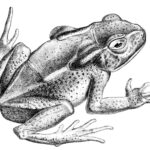
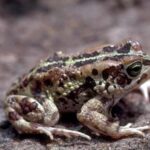
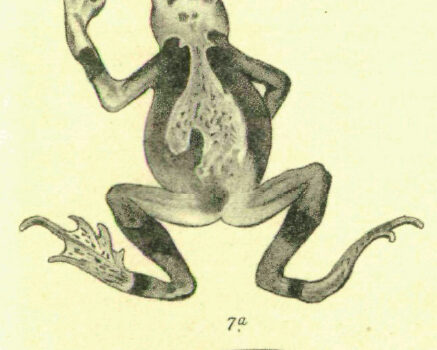
To spot an Osornophryne bufoniformis resting inconspicuously among patches of moss and lichen is both delightfully surprising and subtly challenging. Adults typically measure a modest 20–40 mm in length, but what makes them intriguing is their peculiar, plump body shape that clearly inspires their name. The skin, covered in warty, tubercle-like protrusions, gives them a rugged, uneven appearance, mimicking surrounding moss and earthy tones, enhancing camouflage.
A Master of Camouflage#
The coloration of Osornophryne bufoniformis ranges through earthy grays, browns, rusty reds, and even shades of olive, adapting seamlessly to the unique mosaic of their misty habitats. Its limbs tend toward sturdiness rather than finesse, shorter and more robust than many other frogs—perfect adaptations for securely gripping wet, rocky surfaces and maintaining stability on precarious slopes slippery with moisture.
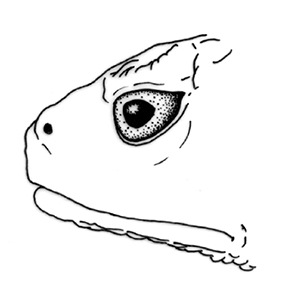
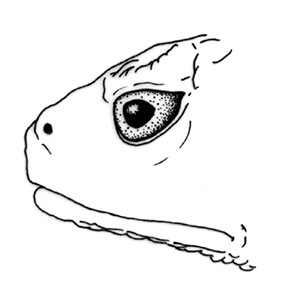
The eyes, bearing subtle yet alert expressions, sit well atop its rounded head, optimizing its view of approaching predators and potential prey. Such physiological adaptations, carefully evolved over millions of years, underscore the frog’s intimate relationship with its foggy mountain environment, ensuring survival within some of this world’s most beautifully challenging ecosystems.
Behavior and Life Cycle: Quiet Lives Amidst Mountain Mist#
Life within the clouds demands strategic and specialized behaviors, and Osornophryne bufoniformis is no exception. Unlike many frogs, it does not rely on loud mating calls or chorus mating events. Instead, this species exhibits subtle courtship behaviors reflective of their quiet, secretive nature, allowing them to efficiently capitalize on the resources and safety their habitat offers.
Secretive Courtship and Direct Development#
The breeding habits of this species remain veiled in intriguing complexity. Unlike typical amphibians whose existence undergoes a startling metamorphosis from swimming tadpoles to adult frogs, O. bufoniformis has evolved to bypass typical aquatic tadpole stages. Females deposit their eggs among moss clumps and damp leaf litter, permitting embryos to undergo complete development within gelatinous clusters, eventually emerging as remarkably miniature yet fully terrestrial froglets.
This particular reproductive strategy ensures offspring avoid the risks of streams or ponds and conserves precious energy in their cool, nutritionally limited mountain habitats. Emerging juveniles closely resemble miniature adults in appearance and behavior, immediately prepared to navigate the intricate survival challenges posed by life among clouded mountains.
Ecological Role: Guardians of Mountain Biodiversity#
Osornophryne bufoniformis does far more than dwell quietly amidst high-altitude ecosystems; it plays a critical role in maintaining ecological balance. Amphibians like these frogs act as significant predators of insects and other small invertebrates, naturally controlling prey populations and indirectly influencing plant community health and diversity.
Serving as prey themselves, they provide nourishment for an array of mountain predators, including specialized birds and small mammals. Moreover, their sensitivity to environmental changes and habitat integrity marks them as indispensable bioindicators, signaling ecosystem health through their presence or absence.
Threats and Conservation Status: Fragility Meets High-Altitude Risks#
Despite their discreet existence and rugged adaptations, populations of Osornophryne bufoniformis are declining, signifying warning signals about cloud forest ecosystems’ overall wellbeing. Habitat loss remains the gravest threat—agriculture encroachment, deforestation, mining activities, and expanding urbanization steadily decrease habitable territories, fragmenting ecosystems and isolating frog populations. Moreover, the impacts of rapidly changing climate patterns threaten to irreparably alter crucial microclimates fundamental for their survival.
According to the International Union for Conservation of Nature (IUCN), Osornophryne bufoniformis is currently classified as Vulnerable. Effective conservation requires urgent action, including active habitat protection, reforestation initiatives, and maintenance corridors ensuring genetic flow between populations. Supporting local communities via sustainable development and environmental education further enhances habitat conservation—efforts already underway across select regions within its geographic distribution.
Cultural and Scientific Significance: A Frog that Speaks Volumes#
Beyond ecological roles and scientific intrigue, Osornophryne bufoniformis provides cultural enrichment and contributes uniquely to biodiversity appreciation and awareness. Indigenous groups inhabiting the Andes often regard amphibians as symbolic indicators, intimately linked to rain cycles, agricultural prosperity, and spiritual ritual significance.
Scientifically, this unassuming creature has helped researchers better understand evolution, physiology, and conservation biology at extreme elevations. Investigations into their distinctive reproductive strategies and environmental adaptations have undoubtedly uncovered fundamental knowledge about biological resilience in harsh environments, potentially informing broader conservation and ecological restoration efforts globally.
Conclusion: A Call For Continued Wonder and Conservation#
As we cast our gaze toward misty mountain slopes, recognizing the humble yet remarkable existence of Osornophryne bufoniformis, the need for conservation action resonates clearly and profoundly. Protecting these diminutive amphibians means safeguarding the rich tapestry of biodiversity they represent and ensuring sustained ecological integrity across the Andean highlands.
We invite all who marvel at wildlife to appreciate this enigmatic species’ quiet tenacity and ecological grace. Become an advocate—support habitat restoration projects, learn about amphibian conservation, and consider how your actions can positively impact distant cloud forests. Let’s ensure future generations can still marvel at the sight of this charming plump toad, continuing its subtle yet essential role amidst the clouds.