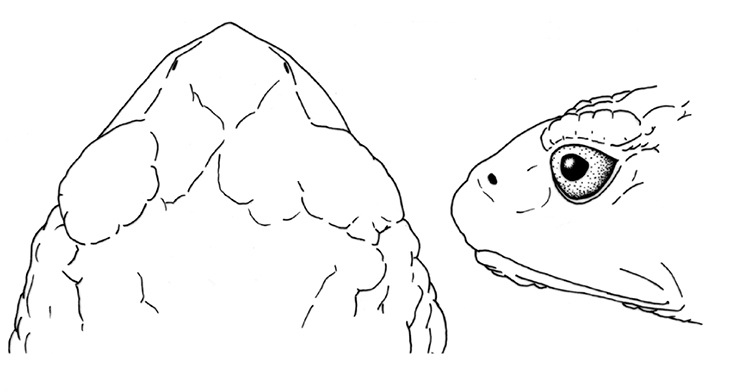
- Osornophryne angel: Discovering the Angelic Toad of the Andean Cloud Forests
Osornophryne angel: Discovering the Angelic Toad of the Andean Cloud Forests#
Introduction#
Hidden among the mist-laden peaks of the Andes, where clouds carry whispers of an ancient ecosystem, there quietly thrives an amphibious jewel known as Osornophryne angel. Its common name, the “Angel’s Plump Toad,” conjures images of ethereal creatures, perhaps beings more folklore than fact. Yet, this captivating species is very much real—and significantly intertwined with the fragile ecosystems it calls home.
Initially discovered and scientifically described relatively recently, in 1995, Osornophryne angel has gained attention among amphibian specialists and conservationists alike for its striking appearance and compelling ecological story. Its very existence provides a window into the world of cloud-forest ecosystems—a realm equally beautiful and precarious, and deeply dependent upon humanity’s choices.
Taxonomy and Classification#
The taxonomic journey of Osornophryne angel begins within the rich family of Bufonidae—commonly known as true toads—which encompasses a diverse variety of amphibians distributed globally. Within this family, it belongs to the genus Osornophryne, whose unique morphological traits and habitat preferences differentiate them distinctly from other, more widely recognized toads.
The full taxonomic classification places this gentle mountain dweller firmly as follows:
- Family: Bufonidae (True Toads)
- Genus: Osornophryne
- Species: angel
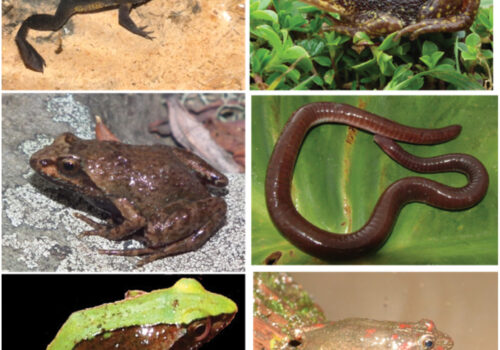
Closely related relatives of Osornophryne angel, such as Osornophryne guacamayo and Osornophryne puruanta, share similar ecological niches high in the Andes mountains, each demonstrating precise, localized habitat specialization.
Natural Habitat#
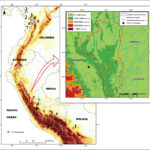
Osornophryne angel finds its sanctuary amidst the humid and mist-draped montane and cloud forests of Ecuador and Colombia, primarily within elevation bands between approximately 2,500 to 3,300 meters above sea level. Here, beyond the bustling modern world, this special amphibian thrives among lush vegetation layers blanketed continuously by ethereal clouds and mist.
A Maze of Mist and Moss#
Within these high-altitude landscapes, the Angel’s Plump Toad prefers habitats characterized by dense growth of moss-covered vegetation, steep slopes, and abundant leaf litter. Epiphytic plants, bromeliads, ferns, and liverworts flourish here, creating a labyrinthine microhabitat teeming with moisture-rich hideaways perfect for its delicate bodies and moist skin. The constant shroud of misty clouds blankets the ecosystem with near-constant humidity—a critical requirement for the species’ survival, as amphibians depend profoundly upon moisture for respiratory and metabolic processes.
The intricately woven roots, creeping vines, and dense ferns that comprise their habitat provide shelter from predators and climatic extremes, while hosting an abundant food supply. Here, amid clouds that embrace the mountainous landscape perpetually, the angelic toad conducts its humble existence rooted firmly in isolation from the deliberations of the external world.
Physical Characteristics#
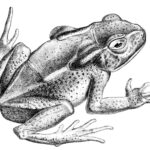
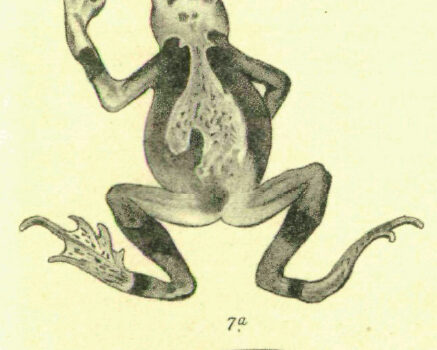
The beauty of Osornophryne angel lies not in vibrant coloration, but in subtlety and adaptation shaped by evolution. Measuring only about 2–3 centimeters in length, these miniature toads boast a physique uniquely adapted to life in their humid, vertical landscape. They are compact, stout-bodied toads with rounded bodies, rough, granular skin, and limbs perfectly attuned to maneuvering among slippery mosses and slopes.
Camouflage Mastery: Blending into Shadows#
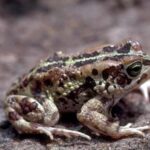
Their coloration reflects their environmental mimicry—subdued shades of grayish-brown, olive-green, with irregular dark blotches—allowing them to seamlessly blend into patches of damp moss and earthy debris. This cryptic coloration serves as an effective anti-predation advantage, as potential predators, ranging from birds to small mammals, often overlook these camouflaged toads entirely.
Another defining trait includes the species’ rough, textured skin adorned with numerous warty bumps and nodules, all essential adaptations enhancing camouflage and moisture retention in their demanding alpine home.
Behavior and Life Cycle#
Little is known about the detailed behavior of Osornophryne angel, due largely to its elusive habits and the remote nature of its habitat. Yet, careful observations have unveiled captivating glimpses into its mysterious life cycle.
An Intriguing Diet#
These small toads actively forage upon tiny arthropods, including mites, ants, and juvenile insects abundant within leaf litter and mossy vegetation. Their method of hunting predominantly involves sitting patiently, blending seamlessly within their surroundings, before rapidly capturing unsuspecting prey with their sticky tongues. This passive hunting approach conserves energy, a valuable adaptation in their resource-limited mountainous habitats.
Unique Reproductive Strategies#
Breeding behaviors are equally adapted for life in their specialized environment. Unlike lower-altitude toads, they do not rely on standing water bodies for reproduction. Instead, females typically deposit clusters of gelatinous eggs amid humid mosses or within the soaking mossy micro-ecosystems between roots or leaves. There, the eggs develop directly into miniature versions of adults, bypassing a free-swimming tadpole phase—a fitting adaptation known as direct development that equips these toads well for survival in their high-altitude world.
Ecological Role#
In its secluded domain, Osornophryne angel plays a vitally important ecological role acting both as a predator of smaller invertebrates and an important food source for higher-level predators. Its presence can indicate the ecological health of the entire microhabitat and serves as a bioindicator species of cloud forest ecological integrity.
Additionally, they sometimes face predation from birds, reptiles, and small mammals. This predator-prey dynamic contributes significantly to the balance within cloud forest ecosystems, maintaining biodiversity and species interactions crucial for ecosystem resilience.
Threats and Conservation Status#
Currently, the Angelic Plump Toad is classified as “Vulnerable” on the IUCN Red List. Their populations face significant pressures primarily linked to habitat loss and degradation due to agriculture expansion, logging, infrastructure development, and climate change impacts. Cloud forests, in particular, remain especially vulnerable to environmental changes, making these amphibians directly dependent upon conservation efforts aimed at protecting and restoring their unique mountainous habitats.
Chytrid fungus (Batrachochytrium dendrobatidis)—a disease devastating global amphibian populations—is another critical threat, with indirect evidence suggesting possible susceptibility. Conservationists are advocating for protected areas designation, habitat restoration projects, and ongoing research initiatives to help safeguard this unique species and its threatened habitat.
Cultural and Scientific Significance#
Though obscure in global mainstream culture, to indigenous Andean cultures, frogs and toads like Osornophryne angel symbolize abundance, fertility, and environmental health. Scientifically, the species represents a vital subject of study in evolutionary biology and ecological research, illuminating unique adaptations and sensitivities indigenous to high-altitude cloud forest environments.
Conclusion: A Call to Treasure Mountain Guardians#
The humble existence and hidden beauty of Osornophryne angel remind us eloquently of the richness concealed within nature’s most secluded realms. This delicate amphibian embodies not only an evolutionary masterpiece perfectly attuned to an extremely specialized habitat—but a poignant bellwether species warning of vulnerability and ecological change.
Protecting and studying Osornophryne angel is critical—not only preserving one singular species but safeguarding countless, complex ecological interconnections that ultimately sustain our broader biosphere. As guardians and advocates for wildlife, we bear the responsibility to preserve these misty mountains and their captivating dwellers. For their sake, for ours, and for the generations yet to walk beneath these cloud-wrapped canopies.