- Torrentophryne yongdeensis: Discovering the Hidden Treasures of Yunnan's Mountain Streams
- Taxonomy and Classification: Unveiling a New Amphibian Jewel
- The Pristine Habitat: Life in Mountain Stream Microcosms
- Physical Characteristics: Masterfully Adapted to Concealment and Survival
- Behavior and Life Cycle: Subtle Complexity in Mountain Streams
- Ecological Role: Vital Players in Stream Ecosystems
- Threats and Conservation Status: A Habitat at Risk
- Cultural and Scientific Significance: Connecting Humans and Nature
- Conclusion: A Delicate Jewel Worth Protecting
Torrentophryne yongdeensis: Discovering the Hidden Treasures of Yunnan’s Mountain Streams#
Beneath the emerald canopy of China’s verdant southern mountains, tucked away in pristine, bubbling freshwater streams, lives an amphibian whose mysterious nature rivals that of legendary forest spirits. The Yongde torrent frog, scientifically known as Torrentophryne yongdeensis, is a captivating creature whose life unfolds largely unnoticed in the shadows of rocks, fallen branches, and mist-covered vegetation. Only recently described by herpetologists, this frog reminds us of the delicate mysteries that remain hidden within our world, quietly existing and holding secrets yet to be fully understood.
Imagine quiet evenings in remote landscapes, filled with the gentle call of cascading streams and whispering forest leaves. Among this timeless backdrop, the gentle croaks of Torrentophryne yongdeensis subtly mark the presence of a species perfectly adapted to harmony with its habitat, reminding us of the fragile beauty held within our planet’s most understated corners.
Taxonomy and Classification: Unveiling a New Amphibian Jewel#
This unique amphibian belongs to the family Megophryidae, a group often affectionately called Asian leaf-litter frogs, renowned for their impressive abilities at camouflage and adaptation to very specific ecological niches. Within this family, Torrentophryne is a relatively new genus, distinguishing itself among Asian amphibians owing to specialized adaptations that allow it to thrive in fast-moving streams. When scientists first described Torrentophryne yongdeensis in 2018, they celebrated it as another piece within the complex puzzle of biodiversity that enriches China’s southern mountain ecosystems.
This species is closely related to other torrent frogs, sharing genetic and morphological characteristics that adapt them specifically to life among swift currents. However, subtle distinctions—with unique morphological markers and genetic divergence—allowed scientists to confidently describe it as a distinct species, naming it after Yongde County, its home range in Yunnan Province, China.
The Pristine Habitat: Life in Mountain Stream Microcosms#
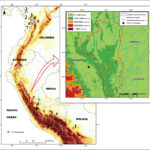
The environs of Torrentophryne yongdeensis tell a tale of ecological specificity, beauty, and isolation. Found exclusively in southwest China’s lush mountain ranges, particularly within Yunnan’s Yongde region, these frogs inhabit narrow, rapidly-flowing freshwater streams, typically located at elevations from 1500 to 2100 meters above sea level. These habitats offer pristine waters, dense riverbank vegetation, and a perpetual melodious symphony of trickling waterfalls and babbling brooks.
In these fast-paced environments, the Yongde torrent frog thrives under shaded canopies cast by subtropical evergreen broadleaf forests. The dense vegetation surrounding their streams provides critical moisture, stable temperatures, and abundant insects. Within their aquatic microcosms, these frogs prefer clear waters flowing over gravelly or rocky substrates, facilitating oxygen-rich water suited ideally to their respiratory needs during their larval stages. This highly specialized habitat preference underscores their vulnerability; subtle environmental changes can disrupt these delicate ecosystems rapidly.
Physical Characteristics: Masterfully Adapted to Concealment and Survival#
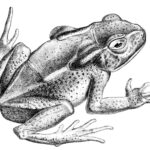
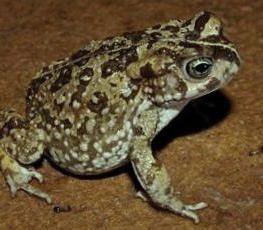
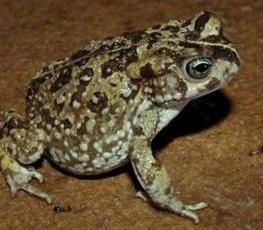
At first glance, Torrentophryne yongdeensis might seem humble in appearance. But closer examination reveals a wealth of evolutionary wonders nestled within its physical form. Adult frogs typically exhibit a modest body size, ranging from approximately 30 to 40 millimeters in length. This small size allows them to adeptly navigate the cracks and crevices of streambeds, a vital adaptation for feeding, breeding, and protection.
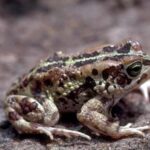
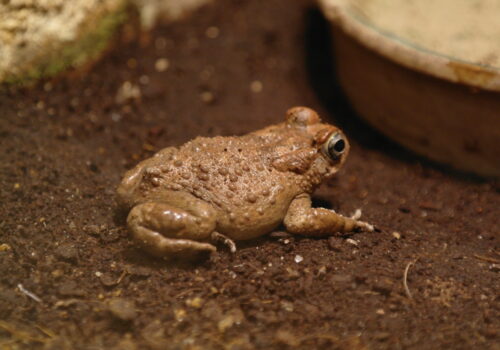
Their skin coloration ranges from earthy tones of grayish-brown to a subtly mottled olive-green hue, impeccably matching the subtle palette of moss-covered rocks and shadowy streambanks. Their dorsum is often marked by irregular, dark patterns further enhancing their cryptic appearance. The rough, bumpy texture of their backs provides an additional layer of camouflage amid damp foliage and rocky substrates.
Adaptations for life in swift currents are perhaps most remarkable in their limbs and fingers. Equipped with slender limbs and specialized, elongated digits edged with adhesive pads, these frogs expertly cling onto slippery stones and vegetation, allowing them to remain stable even as torrents swirl about them. Their streamlined bodies and robust legs grant them exceptional agility underwater, enabling effortless movement through rapids or gentle inflows.
Behavior and Life Cycle: Subtle Complexity in Mountain Streams#
Feeding Habits and Hunting Strategies#
From their strategic hiding spots along rocky banks, Torrentophryne yongdeensis quietly observes an abundant procession of prey. Primarily insectivorous, they feast upon a diverse menu including aquatic and terrestrial insects such as ants, beetles, flies, and larvae. They employ a sit-and-wait strategy, conserving energy and remaining motionless until unsuspecting prey ventures too close—only then snapping into swift, decisive action. Their skillful blending with their surroundings grants them excellent success rates in hunting, supporting their survival in a highly competitive ecosystem.
Breeding and Reproductive Ingenuity#
Reproductive behavior peaks in the rainy season, a period when stream water levels rise, swelling creeks and creating optimal breeding grounds. Males attract mates through soft, rhythmic mating calls, blending seamlessly within their environment’s acoustic orchestra. Females carefully lay their eggs within protected crevices submerged in flowing streams. Unlike pond species that produce thousands of eggs, Yongde torrent frogs lay relatively few eggs, often less than a hundred, focusing instead on quality, parental protection, and strategic site selection to maximize survival chances.
The eggs hatch into aquatic larvae, highly adapted to fast-flowing streams, exhibiting strong tails for excellent swimming capability and sucker-like structures for adhering onto underwater rocks. Time spent in the larval stage depends on water temperatures and food availability, generally lasting several months before juveniles metamorphose into terrestrial life stages, now ready to seek out quiet niches along streambanks.
Ecological Role: Vital Players in Stream Ecosystems#
As integral components of their habitats, Torrentophryne yongdeensis functions simultaneously as predator, prey, and ecosystem indicator. Their insectivorous diets help maintain balanced insect populations, preventing outbreaks that could affect vegetation or other wildlife. Their presence indicates pristine water quality conditions, making them excellent bio-indicators of a healthy, intact ecosystem.
Likewise, these frogs occupy an important position in the food web, serving as occasional prey for larger aquatic predators like fish, snakes, and water birds. Their existence helps sustain ecological balance, underpinning a healthy biodiversity amidst delicate, fragile mountain streams.
Threats and Conservation Status: A Habitat at Risk#
Although relatively newly documented and thus not extensively studied yet, preliminary assessments suggest a limited range and specific habitat requirements. Habitat fragmentation, driven largely by agricultural expansion, deforestation, and rural infrastructure developments, pose increasing threats. Pollution from agricultural runoff, sedimentation of water bodies, and potential climate change effects—including altered rainfall patterns—further endanger these frogs by degrading habitat quality and reducing survival odds.
Currently, international conservation listings have not yet explicitly classified this species; however, given its limited geographic distribution, it is likely highly vulnerable. Conservation groups emphasize the need for immediate habitat protection, increased research, and awareness campaigns to preserve the delicate habitats hosting these uniquely adapted frogs.
Cultural and Scientific Significance: Connecting Humans and Nature#
Though newly discovered and largely unknown culturally, species like Torrentophryne yongdeensis represent compelling opportunities for local communities and humankind to reconnect intimately with nature. Amphibians worldwide hold symbolic roles as indicators of environmental health, messengers whose vitality or decline foreshadows wider ecosystem stability. Scientifically, these torrent frogs offer insights into the evolutionary mechanisms enabling extreme niche specialization, informing ecological theories and biodiversity conservation strategies globally.
Conclusion: A Delicate Jewel Worth Protecting#
The existence of the Yongde torrent frog serves as a powerful reminder: our planet harbors fascinating mysteries hidden within the smallest creatures and remotest habitats. Each newly documented species reveals layers of ecological relationships that bind our global environment together into an intricate system deserving our attention and care.
As conservation advocates, nature enthusiasts, and students of Earth’s ecology, we must commit to protecting sensitive species such as Torrentophryne yongdeensis. Ensuring the preservation of their habitats safeguards not only their future, but the integrity and balance of entire ecosystems. Let their quiet, elusive calls inspire us to action, serving as gentle prompts urging us to appreciate and protect Earth’s incredible biodiversity.